
Key Takeaways
- Claims Depend on Proof: Evacuated residents and property owners may have claims for documented property damage, evacuation expenses, business interruption, or medically supported exposure-related symptoms.
- Evidence Is Critical: Document all expenses, property damage, and health symptoms now—before evidence disappears and memories fade.
- Don't Sign Anything: Any release or settlement offer from the oil company should be reviewed by an attorney before you sign away your rights.
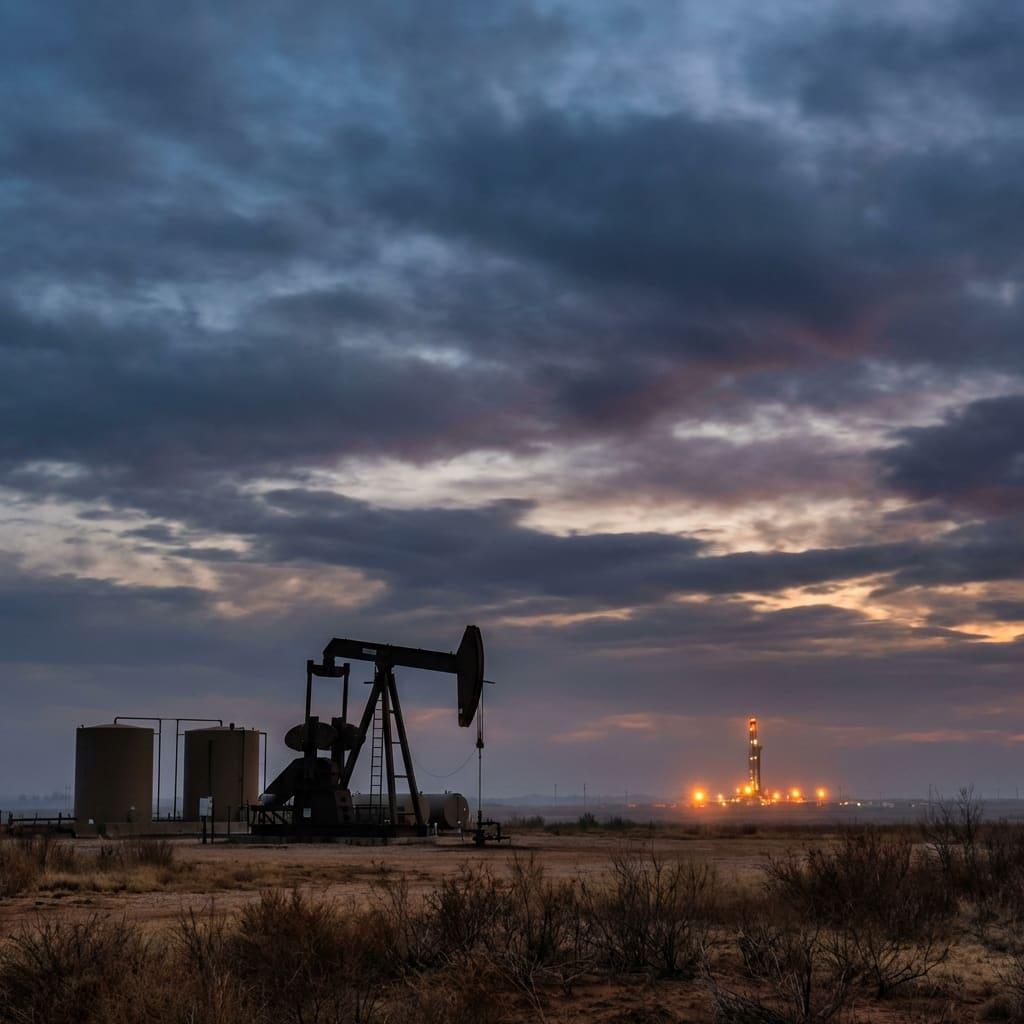
On January 29, 2026, an oil well blowout at a Staghorn Petroleum well site near Blanchard, Oklahoma forced families to evacuate their homes with little warning. KOCO reporting described an uncontrolled natural-gas release, a half-mile evacuation zone, emergency sheltering, and later reimbursement meetings for displaced residents. If you were affected, the immediate legal work is practical: document expenses, preserve evidence, get medical care for symptoms, and do not sign a release before you understand what it covers.
A well blowout occurs when pressure control systems fail, allowing oil, gas, or other fluids to escape uncontrollably from a well. Depending on the well and the substances released, these incidents can create fire or explosion hazards, disrupt property use, require cleanup, and justify emergency evacuations.
What Happened in Blanchard
The incident occurred at approximately 2:00 PM on January 29, 2026, at a Staghorn Petroleum well site in Grady County, near County Road 1340 between County Street 2970 and County Street 2980. Residents described the noise as sounding like "a giant jet." The Grady County Sheriff's Office issued evacuation orders for all residents within a half-mile radius, affecting the Winter Creek Farms, Winter Park Farms, and Winter Creek Golf and Country Club communities. Power lines in the area were shut off as a precaution.
The American Red Cross established emergency shelters at New Beginnings Baptist Church, where displaced families received cots, blankets, food, and water. Pastor Michael Sturgell opened the church to evacuees, noting he had never seen anything like this in the community. Families were forced to leave their homes with whatever they could quickly pack.
The well released natural gas into the air for roughly a day before public reporting said it was capped on January 30. Residents were allowed to return home, but many still had practical questions about reimbursement, possible property impacts, cleanup, odors, and whether any symptoms were connected to the incident.
Who May Have Legal Claims
Several categories of people may have actionable claims arising from the Blanchard oil well blowout:
Property Owners within or near the evacuation zone may have claims for physical contamination of their land, diminished property values, cleanup costs, and damage to structures, landscaping, or livestock.
Evacuated Residents who were forced to leave their homes may recover expenses for emergency lodging, meals, lost wages from missed work, childcare costs, and other out-of-pocket expenses incurred because of the evacuation.
Individuals with Health Effects who experienced respiratory problems, headaches, nausea, skin irritation, or other symptoms should seek medical care and tell the provider about the blowout exposure. A personal injury claim requires medical support linking symptoms to the incident, not just proximity to the evacuation area.
Business Owners whose operations were disrupted may have claims for lost revenue, spoiled inventory, canceled appointments, and other economic losses directly caused by the incident.
Types of Damages in Oil Well Blowout Cases
Oklahoma law recognizes several categories of compensable damages in cases involving oil and gas operations:
Surface contamination from crude oil, condensate, produced water, or other substances can interfere with agriculture, livestock, or residential use. Cleanup costs can be substantial. Depending on the facts, property owners may seek reasonable restoration costs, diminution in value, loss of use, or other property damages recognized by Oklahoma law.
Exposure issues depend on what was released, the concentration, the duration, weather conditions, and the person's medical history. Short-term symptoms may include respiratory irritation, eye or skin irritation, headaches, or nausea. Medical expenses, pain and suffering, and lost wages may be recoverable when the medical proof supports causation and damages.
The sudden nature of forced evacuations means families often lack time to plan. Legitimate evacuation expenses include hotel and lodging costs, restaurant meals, replacement clothing and toiletries, lost wages from missed work, temporary pet boarding, prescription medication refills, and other necessities.
Even after cleanup, properties near oil and gas incidents often suffer lasting stigma. Prospective buyers may demand substantial discounts—or refuse to purchase at all. This diminished value is a compensable damage under Oklahoma law.
Commercial enterprises forced to close during evacuations, or those suffering customer losses due to road closures and public safety concerns, may recover documented lost profits and continuing expenses.
Oklahoma Oil and Gas Liability Law
Oklahoma applies negligence principles to oil and gas operations, and in unusual cases plaintiffs may also argue strict-liability theories depending on the activity, location, and risk:
An operator is liable if it failed to exercise reasonable care in conducting drilling, completion, or production activities. This includes failures to properly maintain pressure control equipment, inadequate monitoring and alarm systems, failure to respond appropriately to warning signs, and violations of Oklahoma Corporation Commission regulations.
Oklahoma courts have recognized strict liability for some abnormally dangerous activities, but not every oil or gas operation automatically qualifies. Whether a blowout supports strict liability is a fact-specific question.
The Oklahoma Corporation Commission regulates oil and gas operations under 52 O.S. § 139 and related provisions. The Commission says its Oil and Gas Conservation Division provides permitting, investigation, and compliance services while protecting the environment and public safety. Violations of Commission rules—including pollution-abatement, reporting, construction, testing, or emergency-response requirements—can become powerful evidence of negligence. The Oklahoma Environmental Quality Act (27A O.S. § 1-3-101) may also matter for contamination and cleanup questions. A personal injury attorney experienced with oil and gas cases can help affected families navigate these claims.
What You Should Do Right Now
If you were affected by the Blanchard oil well blowout, take these steps immediately:
1. Document Everything
Photograph and video any visible contamination, odors, or damage to your property. Keep receipts for all evacuation-related expenses. Maintain a written log of symptoms, medical visits, and impacts on your daily life.
2. Seek Medical Attention
If you experienced any symptoms during or after the incident—even if they seemed minor—see a healthcare provider and specifically mention the oil well blowout exposure. Medical records created close in time to the incident are critical evidence.
3. Preserve Physical Evidence
If it is safe to do so, photograph and video conditions before cleanup. Do not discard damaged property, receipts, correspondence, reimbursement paperwork, or samples taken by professionals. Premature cleanup can destroy evidence of the extent and nature of contamination. Understanding the legal doctrine of spoliation of evidence is important here — destroyed or lost evidence can hurt your case.
4. Do Not Sign Any Releases
Oil and gas companies may send representatives to affected areas quickly, sometimes offering reimbursement or settlement paperwork. Reimbursement for hotel or meal costs is not the same thing as a full release of all claims, but the paperwork matters. Do not sign any release without having an attorney review it first.
5. Contact an Attorney
Oil well blowout cases are complex, involving technical evidence, regulatory investigations, and sophisticated corporate defendants. An experienced attorney can preserve evidence, identify all responsible parties, and ensure your claim reflects the full extent of your damages.
Frequently Asked Questions
Can I sue the oil company for evacuating my family?
Possibly. If the evacuation was caused by legally actionable conduct, you may recover reasonable expenses incurred because of the forced displacement, including lodging, food, lost wages, and other documented out-of-pocket costs.
What if I rented my home? Do I still have a claim?
Renters may have claims for personal property damage, evacuation expenses, lost wages, and health effects—even if they cannot claim property damage to the land itself.
How long do I have to file a lawsuit?
Oklahoma's statute of limitations for personal injury and property damage claims is generally two years from the date of injury or damage. However, some claims may have shorter deadlines, and evidence can disappear quickly. Consult an attorney promptly.
What if the oil company offers me money?
Any settlement offer should be carefully evaluated by an attorney before you accept. Early offers rarely account for the full scope of damages, including long-term property value diminution, future medical needs, and ongoing contamination issues.
Is there a class action lawsuit?
Class actions are possible when many people suffer similar damages from the same incident. Whether a class action makes sense depends on the specific facts. Both individual lawsuits and class actions can be effective depending on your circumstances.
What role does the Oklahoma Corporation Commission play?
The Oklahoma Corporation Commission investigates oil and gas incidents. Its findings can be valuable evidence in civil lawsuits, but the Commission investigation is separate from any private legal claim. You do not need to wait for the Commission to conclude before pursuing your own case.
Can I recover for emotional distress from being evacuated?
Oklahoma law may allow emotional-distress damages when they are tied to physical injury, property damage, or another recognized legal injury. Sudden displacement can be a serious disruption, but whether it supports a separate damages claim depends on the facts and medical proof.
The Blanchard oil well blowout disrupted lives, damaged property, and raised legitimate concerns about health and safety for affected residents. Oklahoma law provides remedies for those harmed by oil and gas operations—but only if you act to protect your rights. Evidence disappears, memories fade, and statutes of limitations run. The time to act is now.
At Addison Law Firm, we represent Oklahoma families harmed by oil and gas operations. We understand the technical and legal complexities of these cases, and we fight for full recovery. Contact us for a free, confidential consultation about your Blanchard oil well blowout claim.
Affected by the Blanchard Oil Well Blowout?
Don't wait for the oil company to contact you. Get a free case evaluation from attorneys who fight for Oklahoma families.
Get Your Free Consultation →This article is for general information only and is not legal advice. If you were affected by the Blanchard oil well blowout, contact an attorney to discuss your specific situation.