Key Takeaways
- Privilege Can Survive the Investigation: The Court held that qualifying attorney-client communications do not lose privilege merely because the investigation later ended.
- Legal Investigation Reports May Be Shielded: Public bodies can hire outside counsel to investigate legal issues, and those reports may remain protected absent waiver or another applicable exception.
- Transparency Fight Continues: The dissent warned the ruling weakens the Open Records Act's purpose and could encourage public bodies to route sensitive investigations through counsel.
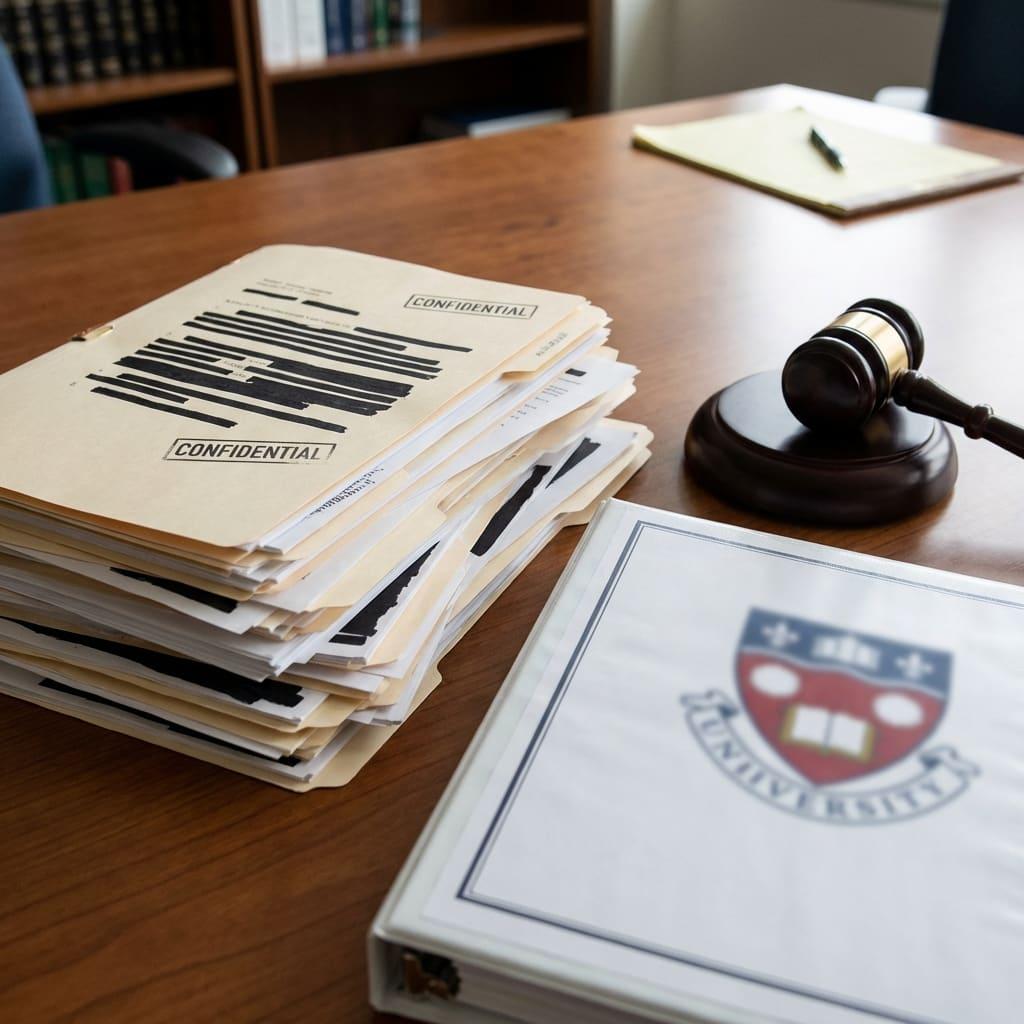
On January 13, 2026, the Oklahoma Supreme Court issued its decision in NonDoc Media v. Board of Regents of the University of Oklahoma (2026 OK 2). The ruling has significant implications for journalists, citizens, and anyone seeking accountability from public institutions in Oklahoma. The Court held that internal investigation reports commissioned by the University of Oklahoma (OU) from the law firm Jones Day are protected by attorney-client privilege and need not be released under the Open Records Act.
The case pitted a cornerstone of democracy—government transparency—against a fundamental legal protection—attorney-client confidentiality. For now, confidentiality won.
The Backstory: Two Scandals, Two Reports
In 2018, the University of Oklahoma faced two separate public relations crises:
The Alumni Donor Report
The University discovered it had been inaccurately reporting alumni donor data to U.S. News & World Report, affecting its national rankings. OU hired the prestigious law firm Jones Day to conduct an internal investigation. Jones Day produced a report ("Alumni Donor Report") containing witness interviews, factual findings, and legal analysis.
The Sexual Misconduct Report
Around the same time, allegations of sexual misconduct surfaced involving then-President David Boren and a former employee, Tripp Hall. OU again retained Jones Day to investigate. This investigation resulted in a second report ("Sexual Misconduct Report") with similar contents—interviews, factual findings, and legal conclusions.
Both investigations concluded. Both matters became the subject of multi-county grand jury subpoenas. Neither grand jury pursued further action.
NonDoc's Open Records Request
In May 2019, the Oklahoma journalism outlet NonDoc Media and reporter William W. Savage III filed an Open Records Act request seeking both Jones Day reports.
The University denied the request, citing:
- Attorney-client privilege
- Work product doctrine
- Personnel records exemption
- Deliberative process exemption
- Identity of informer privilege
NonDoc sued in Cleveland County District Court to compel production. The district court granted summary judgment to OU, finding the reports protected by multiple privileges. NonDoc appealed, and the Oklahoma Supreme Court retained the case.
The Majority Opinion: Privilege Doesn't Expire
Justice Winchester wrote for the majority.
The Core Holding
The Court held that the Jones Day Reports are protected by attorney-client privilege under 12 O.S. § 2502 and therefore exempt from the Open Records Act.
NonDoc argued that under § 2502(D)(7), attorney-client privilege for public bodies only applies when communications "concern a pending investigation, claim, or action." Since the Jones Day investigations were complete—years before NonDoc's request—NonDoc contended the privilege no longer applied.
The Court rejected this argument:
"We cannot inject an expiration date on an otherwise valid privilege... The key factor is whether the investigation or action was pending at the time the confidential communication was made."
In other words, the privilege analysis focuses on the time the communication was made. If the communication qualified for privilege then, the privilege does not disappear simply because the investigation later ended.
Policy Rationale
The majority reasoned that allowing disclosure just because an investigation has concluded would "create a chilling effect" on government lawyers and their clients. Public officials might hesitate to seek candid legal advice if they knew it could later be disclosed.
"Under NonDoc's rationale, any curious outsider could request the confidential communications of a governing body merely because the matter, pending at the time of the privileged communication, has since concluded."
No Waiver Found
NonDoc also argued OU waived the privilege by sharing the reports with:
- The Oklahoma State Bureau of Investigation during grand jury proceedings
- U.S. News & World Report (regarding the donor data inaccuracies)
- David Boren and his attorney (redacted excerpts required by Title IX due process)
- An alleged victim (also redacted excerpts under Title IX)
The Court rejected each waiver argument:
- Oklahoma State Bureau of Investigation: Sharing was done under a "Joint Interest Agreement" between government agencies, which preserves privilege.
- U.S. News: The information provided came from a separate University office, not from the Jones Day Report itself.
- Boren/Victims: Limited redacted disclosures required by statute (Title IX) do not waive privilege for the entire document.
The Dissent: "A Completed Investigation Cannot Be Impaired"
Chief Justice Rowe filed a blistering dissent.
The Textual Argument
Rowe focused on the exact statutory text. Section 2502(D)(7) says there is no attorney-client privilege for public bodies unless:
- The communication concerns a pending investigation, claim, or action; AND
- Disclosure would "seriously impair the ability of the public body to conduct the pending investigation."
Rowe argued the majority ignored the second prong. How can disclosure impair a pending investigation... when the investigation is finished?
"A completed investigation cannot be impaired."
Public Policy Concerns
The dissent warned the majority created a roadmap for government secrecy:
"By hiring outside counsel to conduct investigations, public bodies can now effectively shield the resulting reports from public scrutiny by claiming attorney-client privilege—a shield that this ruling confirms does not expire."
Rowe noted that the Open Records Act exists because "all political power is inherent in the people" under the Oklahoma Constitution. Transparency is not merely convenient—it is constitutionally essential.
Other Issues Unresolved
Because the majority resolved the case on attorney-client privilege alone, it did not address whether other claimed exemptions (work product, personnel records, identity of informer) also applied. The dissent argued these too were wrongly applied or raised factual disputes warranting denial of summary judgment.
What This Means for Oklahomans
For Journalists and Watchdogs
NonDoc v. OU creates a significant new barrier to accessing information about how public institutions handle internal misconduct. The decision confirms that if a public university, city, or agency hires outside counsel to investigate legal issues, the resulting report may be shielded from public-record disclosure when the attorney-client privilege elements are met.
For Litigants
If you are suing a government entity for misconduct, this case is a warning that internal investigation reports may be protected by privilege. Formal discovery still allows targeted requests, privilege challenges, depositions, and subpoenas for underlying facts that are not themselves privileged.
For Open Records Practice
For attorneys advising clients on Open Records Act requests, this case is now a leading Oklahoma authority on attorney-client privilege for public body communications. It confirms that the privilege can be broader than requesters expected.
The Scope of the Holding
Here is what this case did not decide:
- Routine records are still public. This case involved a law firm's confidential legal investigation reports. Routine government records—emails, policies, incident reports, body camera footage—may still be accessible under the Open Records Act, subject to specific exemptions.
- The Open Records Act is still powerful. The Open Records Act still requires transparency for many government records. This case protected attorney-client communications; it did not make all internal records secret.
- The dissent's arguments persist. Future litigants may argue this case was wrongly decided, particularly in the legislature or in cases with different facts.
Frequently Asked Questions
Does this case mean all government documents are now secret?
No. The Open Records Act still applies broadly. This case only addresses records protected by attorney-client privilege—specifically, reports prepared by outside counsel during an investigation.
Can I still request body camera footage or police reports?
Often, yes. Those records are not attorney-client communications just because they are held by a public body, but specific exemptions may still apply, including exemptions for ongoing criminal investigations, privacy, or law-enforcement sensitivity.
What if the government claims privilege improperly?
You have the right to challenge improper claims of privilege in court. Agencies sometimes assert exemptions that don't apply. An attorney can help you evaluate whether the claimed privilege is valid.
Does this affect my ability to sue a government entity?
Indirectly. If the government has damaging internal investigation findings, this case makes it harder to obtain them before suit through the Open Records Act. However, formal discovery during litigation may still allow access depending on the circumstances.
What about the Oklahoma State Bureau of Investigation—can it share what it received?
The Court found that the Oklahoma State Bureau of Investigation received the reports under a joint-interest arrangement that preserved privilege. A separate request to the bureau would likely face the same privilege issue unless the facts or records requested are different.
Can legislators change this outcome?
Yes. The Oklahoma Legislature could amend the Open Records Act or the attorney-client privilege statute to narrow the scope of government privilege claims. The dissent's arguments — that completed investigations cannot be "impaired" — could inform legislative reform. Transparency advocates have urged legislative action since the ruling.
Does this ruling apply to city and county governments too?
Yes. The Court's analysis of attorney-client privilege under 12 O.S. § 2502 applies beyond universities. A city, county, or agency that hires outside counsel to conduct a legal investigation may try to invoke this ruling, but whether privilege applies still depends on the facts, the purpose of the communication, and any waiver.
NonDoc v. University of Oklahoma is a significant decision for transparency advocates and anyone seeking accountability from Oklahoma's public institutions. The full opinion is available on the Oklahoma State Courts Network.
At Addison Law, we represent clients in civil rights cases against government entities and regularly use Open Records Act requests as part of our investigation. We understand the limits—and the opportunities—that remain after this decision.
Need Government Records for Your Case?
We know how to navigate Oklahoma's Open Records Act and build cases against government actors. Contact us for a free consultation.
Schedule a Consultation →This article is for general information only and is not legal advice. The information reflects the law as of June 2026.