
Key Takeaways
- A bad outcome is not automatically neglect: The question is whether the facility assessed the resident, created an appropriate care plan, supplied adequate staff and services, and responded to a change in condition.
- Federal law sets a specific records clock at certified facilities: At a Medicare- or Medicaid-certified nursing facility, a resident generally must receive access to personal and medical records within 24 hours, excluding weekends and holidays, and may obtain copies on two working days' advance notice.
- Safety comes before a lawsuit: Report immediate danger first. Preserve records and evidence once the resident is safe.
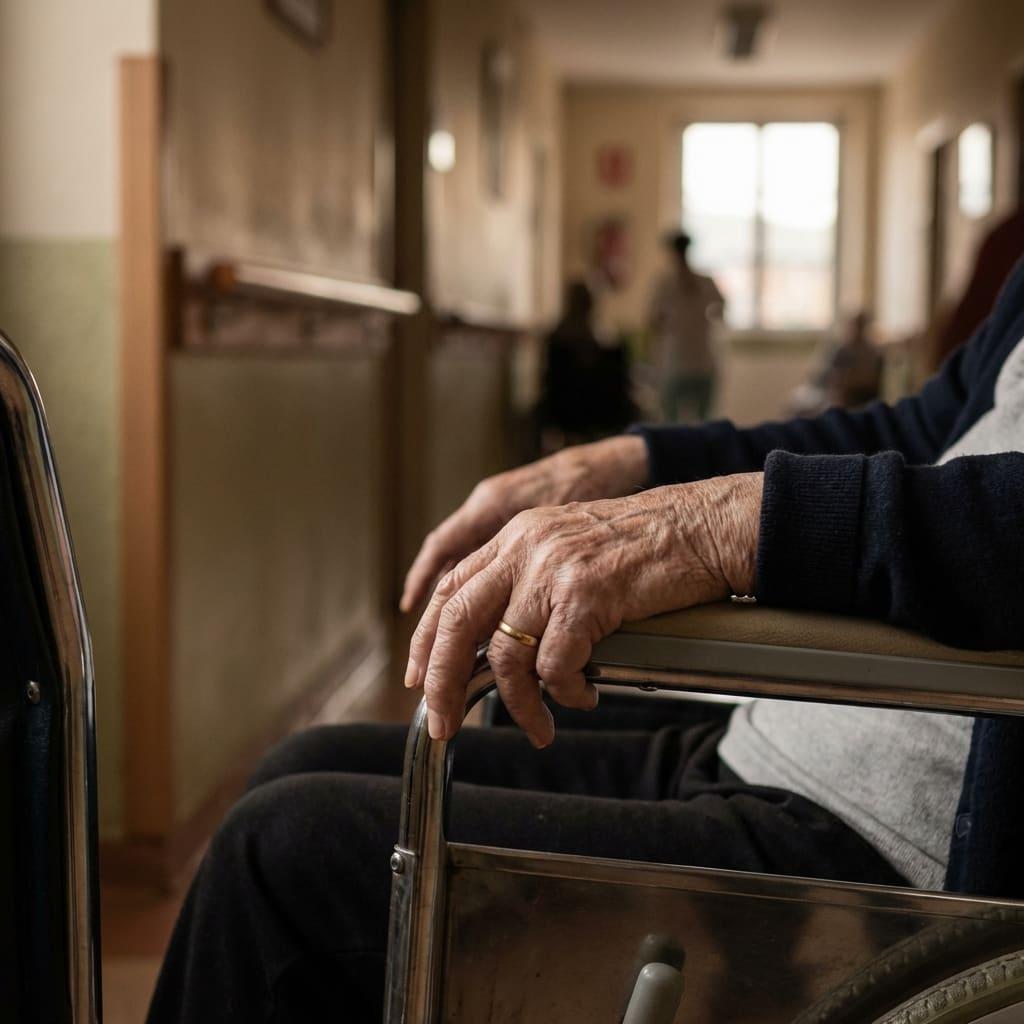
Nursing home neglect is a failure to provide the care or services needed to avoid physical harm, pain, mental anguish, or emotional distress. It may involve missed medication, poor wound care, inadequate nutrition, an unsafe transfer, or a delayed response to a serious change in condition. But an injury alone does not prove neglect. The medical record, care plan, staffing evidence, and timing usually show whether the harm was avoidable.
Abuse, Neglect, and an Unavoidable Decline
For Medicare- or Medicaid-certified nursing facilities, federal regulations define these terms more carefully than everyday conversation does. Under 42 C.F.R. § 483.5, abuse involves the willful infliction of injury, unreasonable confinement, intimidation, or punishment resulting in harm, pain, or mental anguish. Neglect is a failure to provide goods and services necessary to avoid specified harm.
That distinction does not make neglect minor. A failure to assist with meals, administer medication, answer a call light, carry out a transfer plan, or respond to infection can cause severe injury. At the same time, medically fragile residents can decline despite appropriate care. A sound investigation asks:
- What risks did the facility identify at admission and after each change in condition?
- What did the care plan require?
- Did staff actually provide and document that care?
- Did the facility notify the physician and resident representative when required?
- Did staffing, training, equipment, or management decisions contribute to the failure?
- Did the failure cause or worsen the injury?
Warning Signs That Deserve Investigation
Pressure injuries
A pressure injury is not automatic proof of neglect. Some residents remain at high risk despite appropriate prevention. A serious wound should still prompt review of skin assessments, repositioning, nutrition and hydration, support surfaces, incontinence care, physician notice, and whether the individualized plan was followed. Federal quality-of-care rules address avoidable pressure injuries in 42 C.F.R. § 483.25. They do not impose a universal two-hour turning rule on every resident.
Learn more about the evidence in a bedsore case.
Weight loss and dehydration
Unexpected weight loss, an untouched meal tray, dry mouth, reduced urination, new confusion, or repeated dehydration may show that a resident needed more assessment or assistance. Percentage weight changes can be useful clinical screening signals, but no single percentage proves legal neglect. The important questions are whether the facility noticed the change, investigated its cause, revised the plan, and provided the ordered support.
Falls and unsafe transfers
Not every fall can be prevented. Liability may arise when staff ignored a known risk, failed to use ordered equipment, left a resident without needed assistance, or did not revise precautions after an earlier fall. See our guides to nursing home falls and staffing evidence.
Medication and infection problems
Missed doses, unexplained sedation, duplicate medications, delayed antibiotics, and repeated administration errors deserve prompt review. So do fever, altered mental status, breathing problems, or a worsening wound that was not escalated. The medication administration record, physician orders, pharmacy records, vital signs, and nursing notes should be compared rather than read in isolation. Our medication-error guide explains the common evidence.
Fear, isolation, or unexplained injury
Sudden withdrawal, fear around a particular caregiver, bruising without a consistent explanation, poor hygiene, missing property, or unanswered calls can signal abuse or neglect. 42 C.F.R. § 483.12 requires covered facilities to protect residents from abuse, neglect, exploitation, and misappropriation and establishes reporting and investigation duties.
Federal Staffing Rules for Certified Facilities
For Medicare- or Medicaid-certified facilities, federal law still requires enough qualified nursing staff to meet residents' assessed needs. The current 42 C.F.R. § 483.35 baseline includes sufficient staff on a 24-hour basis and, subject to regulatory waivers, a registered nurse for at least eight consecutive hours a day, seven days a week, plus a licensed nurse serving as charge nurse on each tour of duty.
The 2024 federal numeric minimum-staffing rule is not the current standard. After litigation, the Centers for Medicare and Medicaid Services repealed those provisions effective February 2, 2026. The agency's interim final rule with comment period explains the change.
That repeal does not make understaffing irrelevant. Daily staffing sheets, payroll data, call-light response, missed care, resident acuity, and the facility's own staffing plan can show that it lacked enough competent people to provide required care.
Oklahoma licensure law applies separately. The Oklahoma State Department of Health publishes the current Nursing Home Care Act and OAC 310:675 rules, including direct-care staffing requirements in 63 O.S. § 1-1925.2 and OAC 310:675-13-12. Federal certification is optional for an Oklahoma-licensed nursing facility, so the investigation should identify both the license and any federal certification before selecting the governing rule.
How Quickly Must the Facility Provide Records?
At a Medicare- or Medicaid-certified facility, federal law gives the resident a concrete access right. Under 42 C.F.R. § 483.10(g)(2):
- The resident may request access to personal and medical records orally or in writing.
- The facility must provide access within 24 hours, excluding weekends and holidays.
- The resident may purchase copies on two working days' advance notice.
- Any copy charge must comply with the regulation.
The request should identify the resident, date range, and categories sought. Ask for the complete chart, not merely a discharge summary: assessments, care plans, nursing notes, medication and treatment records, wound records, incident reports available to the resident, physician orders, laboratory results, transfer records, and billing records. A legal representative's authority should be documented.
Prompt access matters, but families should preserve evidence lawfully. Do not alter original files or enter restricted systems. Save correspondence, photographs, and records with dates and source information. A preservation letter can identify evidence that should not be lost.
Reporting an Immediate Concern
Use the route that fits the danger:
- Immediate threat or suspected crime: Call 911 or local law enforcement and obtain medical care.
- Facility care or regulatory complaint: Use the Oklahoma State Department of Health Long Term Care Service complaint process.
- Resident advocacy and problem-solving: Contact Oklahoma's Long-Term Care Ombudsman program.
- Suspected vulnerable-adult abuse or exploitation: Report it to the appropriate protective-services or law-enforcement agency.
Regulators and the ombudsman focus on safety, compliance, and resident advocacy. A civil claim has a different purpose: determining responsibility and seeking compensation for proven harm. One process does not necessarily replace the other.
Residents also have the right to voice grievances without discrimination or reprisal. No family should assume that filing a lawsuit alone will protect a resident in real time. Make an immediate safety plan, document concerns, and involve the appropriate agency when needed.
What Proves a Civil Neglect Claim?
A negligence claim generally requires proof of duty, breach, causation, and damages. Regulations, care plans, physician orders, and facility policies can help show what care was required. A regulatory violation may support the breach analysis, but it does not automatically prove that the violation caused the injury. Medical and nursing experts are often needed.
Useful evidence may include:
- The complete resident chart and hospital records
- Care plans and change-in-condition notices
- Staffing, payroll, assignment, and call-light records
- Wound measurements and dated photographs
- Medication administration and treatment records
- State survey findings and plans of correction
- Witness accounts from family, staff, and other residents
- Ownership and management records showing who controlled the conduct at issue
Who May Bring the Claim?
For an injured living resident, the proper claimant may be the resident or a person legally authorized to act for the resident. A power of attorney does not answer every litigation-capacity question; its language and current validity matter.
If neglect caused death, an Oklahoma wrongful-death action under 12 O.S. § 1053 is ordinarily brought by the decedent's personal representative, with a statutory fallback in some circumstances. The damages are pursued for the persons identified by statute. A survival claim may preserve claims the resident held before death. Read more in our Oklahoma wrongful-death guide.
Oklahoma limitations periods are fact-specific. A negligence claim often has a two-year period, while a wrongful-death claim generally runs two years from death. Accrual, the identity of the defendant, prior filings, and other statutes can change the analysis. Do not wait for a regulatory investigation to finish before obtaining deadline advice.
Arbitration Clauses Require Individual Review
An arbitration clause is neither automatically enforceable nor automatically invalid. The analysis may turn on:
- Who signed and whether that person had authority to bind the resident
- The resident's capacity and the scope of any power of attorney
- The actual language and claims covered
- Federal Arbitration Act principles
- Generally applicable Oklahoma contract defenses
- Whether nonsignatories or statutory claims fall within the agreement
Emergency admission, small print, or a wrongful-death label does not by itself decide enforceability. Counsel should review the signed agreement, agency documents, admission circumstances, and controlling law before promising a court or arbitration forum.
Frequently Asked Questions
Is a bedsore always proof of neglect?
No. The issue is whether the facility assessed the risk, provided an appropriate prevention and treatment plan, and responded as the wound changed. The wound's stage matters, but the care record and medical causation matter more.
Can the facility make me wait weeks for the chart?
At a Medicare- or Medicaid-certified facility, the federal rule generally requires resident access within 24 hours, excluding weekends and holidays, and copies on two working days' advance notice. Authority to request another person's record must be established. Other facilities may be governed by different state or federal access rules.
Can a claim proceed if the resident had dementia?
Yes. A resident's inability to testify does not erase the records, photographs, witness testimony, or expert evidence. It may affect capacity, agency, and arbitration questions that require careful review.
Can the family sue after the resident dies?
Potentially, but the correct party matters. Oklahoma wrongful-death litigation is normally brought by the personal representative, not informally by any family member.
Does a state citation prove my lawsuit?
No. A citation can be important evidence, particularly when it addresses the same failure, but a civil claimant still must prove causation and damages.
At Addison Law, our nursing home neglect practice investigates the chart, staffing, ownership, and medical causation before drawing conclusions.
Concerned About a Loved One's Care?
We can review the records, identify the responsible entities, and explain the legal options. The consultation is free and confidential.
Speak With an Attorney →This article is for general information only and is not legal advice. If a resident is in immediate danger, contact emergency services or the appropriate agency first.
Federal regulations and staffing-rule status reviewed July 13, 2026.