Force that caused significant injury
A stop, arrest, restraint, transport, or detention may require careful review when the force used and resulting harm appear out of proportion to the danger actually faced.
Civil-rights help for Okmulgee
Addison evaluates substantial harm involving force, detention, searches, retaliation, and treatment in custody. Begin with what you experienced and what it cost you. Mention an open criminal matter or court date immediately, then identify the best paper, photograph, or recording that still exists.
Addison Law Firm's office is in Oklahoma City. The firm serves Okmulgee-area clients by phone, video, or arrangement.
Counsel for individuals and families
A civil-rights matter begins with a real encounter and real consequences. You may be managing pain, fear, medical bills, a court date, lost work, or a damaged sense of safety. Addison listens to that experience before drawing legal conclusions.
Serious conduct Addison considers
The question is not simply whether the encounter felt wrong. Addison examines what each person did, what information was available, why the contact continued, and how the event changed your health, freedom, work, or family life.
A stop, arrest, restraint, transport, or detention may require careful review when the force used and resulting harm appear out of proportion to the danger actually faced.
The reason given, any warrant, what was known, how long the detention lasted, and what happened before release can all affect the analysis.
Home entries, vehicle or personal searches, device access, surveillance, and property kept after an encounter can raise serious questions about consent, warrants, and justification.
A matter may deserve attention when punishment follows protected speech or reporting, or when officials know about a serious health need and fail to respond appropriately.
How the event becomes an evidence-based case
Stress can leave a person with vivid moments and missing transitions. Reports may use unfamiliar language or omit important details. Addison preserves the client's firsthand account, then tests it against other evidence without forcing either version into a premature conclusion.
Describe the first contact, reason given, words and commands, movement, restraint, search, force, transport, requests for help, custody, release, and later communication. Mark what you did not see or cannot remember.
Nearby video, dispatch audio, location data, electronic messages, custody information, and other recordings may change or be overwritten. Preservation begins with the correct event, time window, and likely system—not a vague demand for everything.
Available proof should show who initiated contact, issued directions, applied restraint or force, conducted a search, made decisions about detention, responded to medical needs, and participated afterward. Legal analysis follows those concrete acts.
Addison examines disputed facts, lawful-authority arguments, causation, injury proof, credibility concerns, procedural barriers, and the effect of any related case. The client receives a direct answer about the sound next step.
Before outside accounts harden
Do not argue the case online or attempt to interview everyone involved. Make a private, dated record; secure original files; and note potential witnesses or cameras for counsel to evaluate.
Write the sequence in your own words before reviewing other people's versions. Note sensory details, pain, words used, requests made, locations, timing estimates, and uncertainty. Label anything learned later from another person or document.
Keep photographs, recordings, messages, call history, and location information in their original form with dates and file information. Make a copy before trimming, enhancing, annotating, or sending media through an app that may alter it.
A rough drawing can capture doors, vehicles, camera directions, bystanders, and movement better than prose alone. Keep witness contact details, but do not rehearse accounts or ask anyone to align their memory with yours.
When an encounter in Okmulgee continues after release
The incident may have moved from an initial stop or building to a vehicle, booking area, cell, clinic, hospital, release point, and courtroom. Preserve the transition between each place. Different witnesses and records may explain different parts of the same experience.
Start with the exact location, report or citation number, current medical need, and next hearing. Give honest descriptions of uniforms, vehicles, rooms, and conduct when names are unknown. Identifying people is part of investigation, not a prerequisite for asking for help.
A lawyer evaluating harm from government conduct is not automatically defending a citation or prosecution. Keep appropriate defense counsel informed, disclose bond terms and hearing dates, and coordinate before making detailed statements.
A case may also be informed by physical injuries, photographs, witness observations, reports, calls, messages, dispatch material, location information, medical findings, and inconsistencies in later accounts. Tell counsel which cameras you remember seeing.
Obtain appropriate care and describe symptoms, improvement, and setbacks honestly. Preserve discharge papers, imaging, diagnoses, referrals, restrictions, bills, and photographs so the health record reflects the actual consequences.
Why Addison
Addison takes serious accounts of government-caused harm seriously enough to test them. Accepted cases are prepared for disputed recordings, conflicting reports, medical causation, legal defenses, procedural obstacles, and the demands of contested litigation.
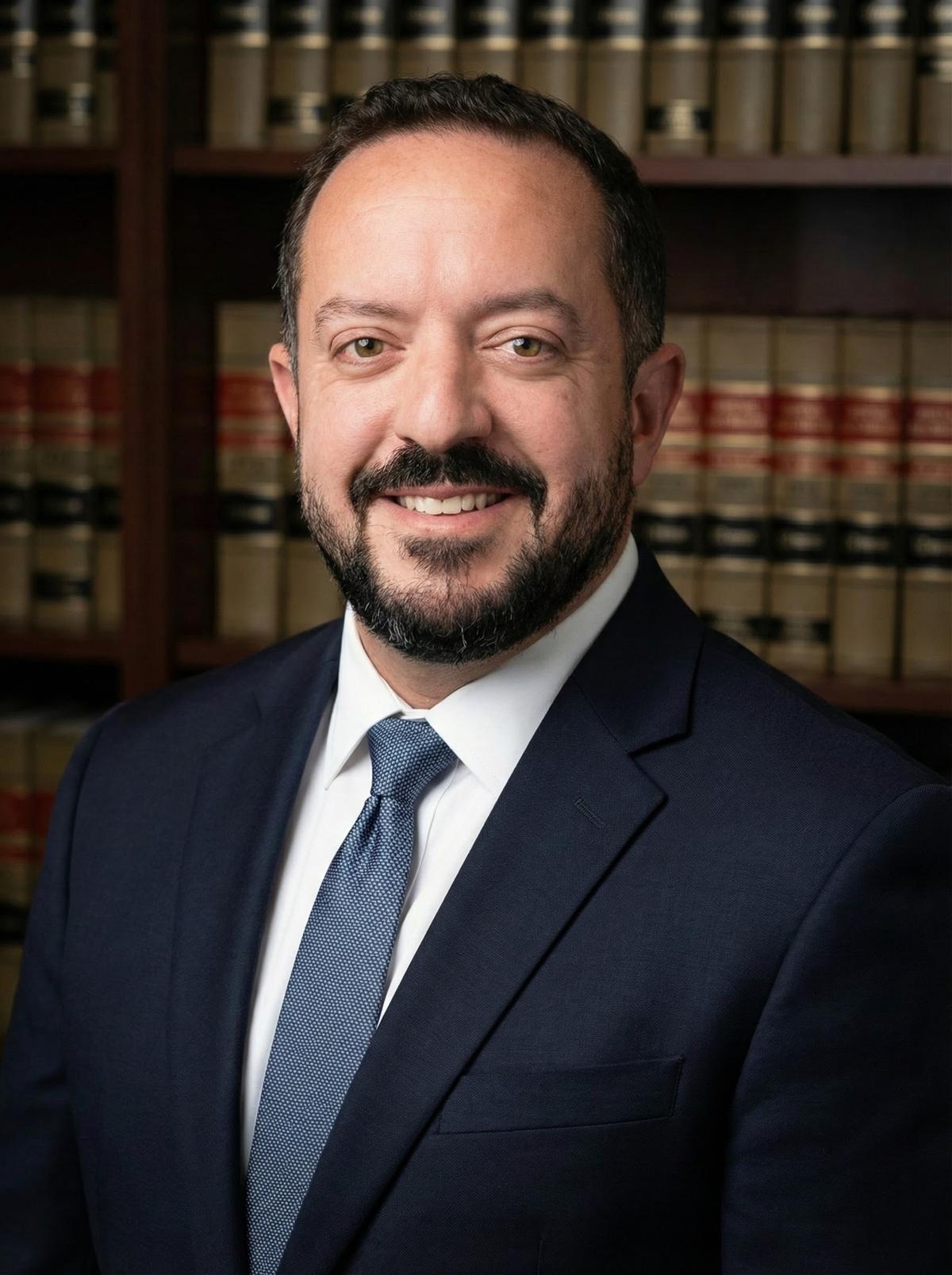
D. Colby Addison represents people in serious Oklahoma civil-rights disputes involving government power and significant personal harm.
From memory to legal assessment
The initial account identifies the harm and urgent evidence. Later records can confirm, contradict, or add context. Addison uses that progression to decide whether the matter supports further investigation or representation.
Tell the sequence without legal jargon, identify each person as well as you can, describe injuries and continuing effects, disclose every related case, and bring the strongest unedited item.
Reports, recordings, witness observations, medical findings, location information, and court papers are compared with the client's recollection. Important conflicts and missing transitions are investigated openly.
Addison explains whether the client should preserve or obtain something, defense counsel needs to act, more investigation is justified, or the firm may offer representation. Any engagement is confirmed in writing.
Straight answers
These answers are a starting point. The right next step depends on what happened, who was involved, and when.
Not unless a separate engagement expressly says so. A civil matter about harmful government conduct and a defense to a citation or prosecution involve different work. Obtain appropriate defense counsel and coordinate before statements or filings affect either matter.
Start with the exact location, the report or citation number, untouched photographs or recordings, medical and release instructions, and the next court date. Add a private chronology and witness contacts while details are fresh.
No automatic rule answers every situation. The basis stated for contact, charge, warrant or other papers, evidence known at the time, specific conduct challenged, and outcome of the related case can all matter. Disclose the complete case promptly.
A complaint can be useful, but a rushed narrative may create avoidable inaccuracies and may not preserve other rights or dates. Seek advice first when practical. If one was already submitted, keep the exact text, attachments, confirmation, and reply.
Use role, clothing, equipment, vehicle, position, words, and conduct: for example, the person at the rear door who applied handcuffs. Avoid guessing a name or employer. Later reports, media, and witness information may identify the person.
Keep exploring
Okmulgee resources
These links provide background on the services and records discussed above. They do not decide a particular matter or replace advice based on the complete facts.
Start before memory and recordings change
Give Addison the private sequence, present injury, related case information, exact location, and best original item. The firm can assess whether focused investigation should follow.