Force with lasting physical harm
A stop, arrest, restraint, transport, or detention deserves close review when the force and injury appear out of proportion to the danger officials reasonably understood at the time.
Civil-rights help for Owasso
Addison evaluates serious claims involving excessive force, detention without adequate justification, unlawful searches, retaliation, and dangerous treatment in custody. The first work protects your health, your recollection, and evidence that may otherwise change or disappear.
Addison Law Firm's office is in Oklahoma City. The firm serves Owasso-area clients and can meet by phone, video, or arrangement.
Representation for people and families
A government encounter may leave pain, fear, medical bills, lost work, family strain, or another pending case. Addison starts with the lived event and its consequences. You are not expected to arrive knowing the constitutional test.
Serious conduct Addison reviews
Not every frightening or unfair experience creates a civil claim. Addison examines the justification offered, choices made during the encounter, resulting harm, available proof, and current law before reaching a view.
A stop, arrest, restraint, transport, or detention deserves close review when the force and injury appear out of proportion to the danger officials reasonably understood at the time.
The reason given, available information, any warrant, the length of confinement, and each official's personal conduct can shape whether a loss of freedom warrants further action.
Consent, warrants, scope, emergency claims, probable cause, property seizure, and later use of information may all matter. The complete sequence is more useful than a single label.
Government action following protected speech may require review. So may indifference to an urgent health need when officials knew enough to respond and serious harm followed.
How Addison develops the case
Memory, official paperwork, medical care, and recordings often develop on different timelines. Addison brings those pieces together while respecting uncertainty and any separate criminal or municipal matter.
Your memory of words, movement, restraint, search, transport, requests for care, release, and later contact is placed in order. Facts learned from others are marked separately.
Nearby video, dispatch material, detention information, medical entries, messages, and digital files can be lost through ordinary retention. Addison identifies prompt and lawful preservation steps.
Uniforms, vehicle markings, reports, transfer papers, camera angles, and witness accounts may show who gave commands, used force, prolonged detention, or failed to obtain care.
Addison considers proof, causation, injury, defenses, timing, available remedies, and the client's goals. The assessment includes obstacles and other counsel the situation may require.
In the first days
Your job is not to conduct an investigation. Keep original material, write privately, obtain needed care, and flag information that could be erased with time.
Record the stated reason for contact, commands, movement, restraint, search, force, transport, care requests, custody, release, and later communication. Note uncertainty instead of filling gaps.
Preserve original photographs, video, messages, call logs, and location history with metadata. Avoid public captions, editing, or social posts that could distort context or invite unnecessary conflict.
Write down contact information and nearby homes, businesses, vehicles, buildings, or phones that may have recorded the event. Do not coach witnesses or trespass to gather material.
After an Owasso-area encounter
A frightening encounter can begin near home, work, a store, or a roadway and continue through transport, booking, treatment, or court. Tell Addison where the harm began, what happened next, and whether another case or medical need demands attention.
Owasso spans Tulsa County and Rogers County. A report may identify Owasso Police or another responder, but you do not need to decide which government body belongs in the case. Save the report, photographs, medical papers, and location information. Addison will trace responsibility and missing proof.
Civil-rights representation does not defend a citation or criminal charge. If a hearing, bond condition, or investigation is open, tell all involved lawyers before making statements or signing releases.
Witnesses, photographs, medical findings, dispatch audio, call data, reports, messages, and later statements can still illuminate the encounter. Ask for advice even if no video is in your possession.
Seek appropriate care, describe symptoms accurately, and keep diagnoses, photographs, discharge instructions, referrals, bills, and activity limits. Consistent records help explain the human consequences.
Why Addison
Civil-rights work demands both moral clarity and evidentiary care. Addison takes the person's experience seriously without treating anger as a legal conclusion. Accepted matters are prepared for hard questions about conduct, injury, causation, and responsibility.
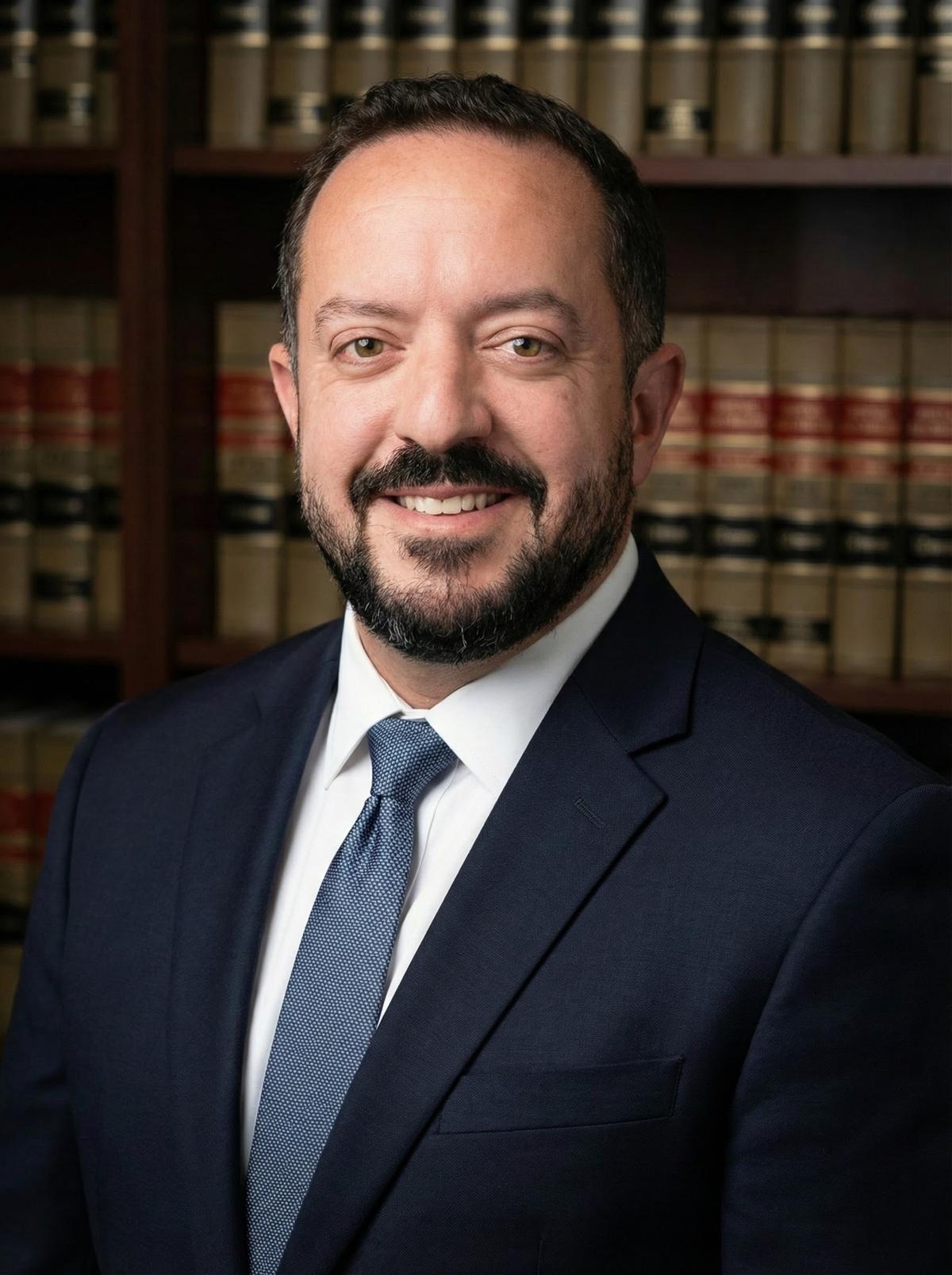
D. Colby Addison represents people in serious Oklahoma civil-rights disputes and prepares constitutional claims for demanding negotiation and litigation.
How the review develops
The review moves from the encounter, to preservation, to proof, and then to an honest explanation of the next steps.
Share the sequence, any names or markings you remember, injuries, treatment, a pending charge, and the next important date. Bring the strongest original file or paper.
Reports, recordings, medical material, witnesses, custody information, and other records are compared. Conflicts and missing pieces are treated as questions, not quietly smoothed over.
Addison explains whether more investigation is needed, separate defense counsel should be involved, or representation may be offered. Any scope and fees are stated in writing.
Straight answers
These answers are a starting point. The right next step depends on what happened, who was involved, and when.
No. A civil-rights claim examines harm caused by government conduct. It does not defend a criminal or municipal case. Obtain appropriate defense counsel for any pending charge and coordinate before making statements.
Share what you have, including uniforms, badge numbers, vehicle markings, report numbers, places, times, photographs, and custody papers. Addison can investigate identities and personal involvement from the available trail.
Preserve original video, photographs, messages, medical records, witness details, reports, custody papers, and information about nearby cameras. Some recordings can be overwritten, so prompt legal review may matter.
Do not assume so. Complaints, records requests, preservation letters, and lawsuits do different work. Their effect depends on the claim, public body, dates, and current law. Keep proof of every submission.
Provide the precise place, report heading, vehicle markings, badge information, and transfer papers. Addison can use those details to identify who was involved and locate the records that matter.
Keep exploring
Owasso resources
These links provide background on the places, services, and records discussed above. They do not decide what happened in a particular matter or replace advice based on the complete facts.
Begin with what you experienced
Share the sequence, injury, any pending charge, nearest date, and strongest original proof. Addison can help determine what should happen next.