People who were evacuated
You were at home, at work, visiting a business, or traveling nearby when officials directed people to leave or shelter.
Information for people affected by the release
The November 12, 2025 Weatherford release disrupted homes, work, and the community’s sense of safety. If you were evacuated, treated, or left with expenses and unanswered questions, Addison can help organize what happened. We can then explain whether legal action makes sense.
Addison Law Firm is based in Oklahoma City and can evaluate legal matters connected to the Weatherford ammonia leak; it does not maintain a Weatherford office.
For residents, workers, and families
The official response tells the community story. It cannot capture the fear of leaving home or the symptoms that sent someone for care. It also misses lost wages and the questions that can remain months later. That personal story is where we begin.
Who this guide may help
People came through the event in different ways. This guide offers practical direction for common concerns that followed the evacuation and response.
You were at home, at work, visiting a business, or traveling nearby when officials directed people to leave or shelter.
You went to an emergency department, clinic, doctor, pharmacy, or follow-up appointment for symptoms you associated with the event.
The response interrupted work, closed a location, damaged property, caused expenses, or created questions about an employer or business loss.
A child, older relative, or other family member was evacuated or treated, and you are trying to understand what information and help may be available.
How Addison can help
We bring the official timeline, your experience, the medical history, and the practical losses together. That complete account helps you make an informed decision about what comes next.
We help build a clear account of where you were, what instructions you received, what you noticed, and how the evacuation or shelter order unfolded for you.
Emergency care, later appointments, testing, treatment, prescriptions, restrictions, and continuing symptoms are placed in a timeline that shows the course of care.
We document medical costs, travel, lodging, missed income, business interruption, property concerns, family burdens, and the ways daily life changed.
We use available agency, responder, company, medical, employer, insurance, and witness information to clarify the response and the circumstances surrounding your experience.
Practical steps
You do not need to investigate a chemical release by yourself. A few practical steps can protect your health information and make the experience easier to explain later.
Tell the provider where you were, when the event occurred, what you noticed, when symptoms began, and how they changed. Follow the provider’s instructions.
Record your location, timing, evacuation or shelter instructions, symptoms, witnesses, travel, treatment, and what you personally saw or heard.
Save medical papers, pharmacy receipts, lodging and travel costs, missed-work information, photographs, alerts, messages, and contact from a business or insurer.
A reimbursement offer or settlement document may affect legal rights. Understand what the document covers before accepting money or signing away a claim.
What EPA reports
The United States Environmental Protection Agency reports that the November 12, 2025 event involved an anhydrous-ammonia tanker at 1311 East Main Street. EPA attributes the leak to a tanker gasket and reports a 1.5-mile evacuation, air monitoring, multi-agency assistance, and 36 residents hospitalized.
The National Transportation Safety Board’s ongoing investigation preliminarily reports 74 people injured, including four critically, and estimates that 500 to 1,000 people were evacuated. NTSB says its information is preliminary and subject to change. Neither agency’s report is a final finding of legal responsibility.
For people affected by the event, those reports provide reliable starting points. Addison can connect the official timeline with your location, alerts, symptoms, care, expenses, missed work, and communications. The result is one coherent account of the aftermath.
EPA’s response profile and NTSB’s preliminary investigation describe different stages of the official account. We place your experience within that chronology without treating an ongoing investigation as a final finding.
Qualified medical providers diagnose and treat symptoms. Addison organizes that care, the timing, and the effect on your life so the legal work rests on the actual medical record.
Evacuation costs, missed work, a closed business, travel for care, property concerns, and added family responsibilities can matter. We help make those losses visible and understandable.
Why Addison
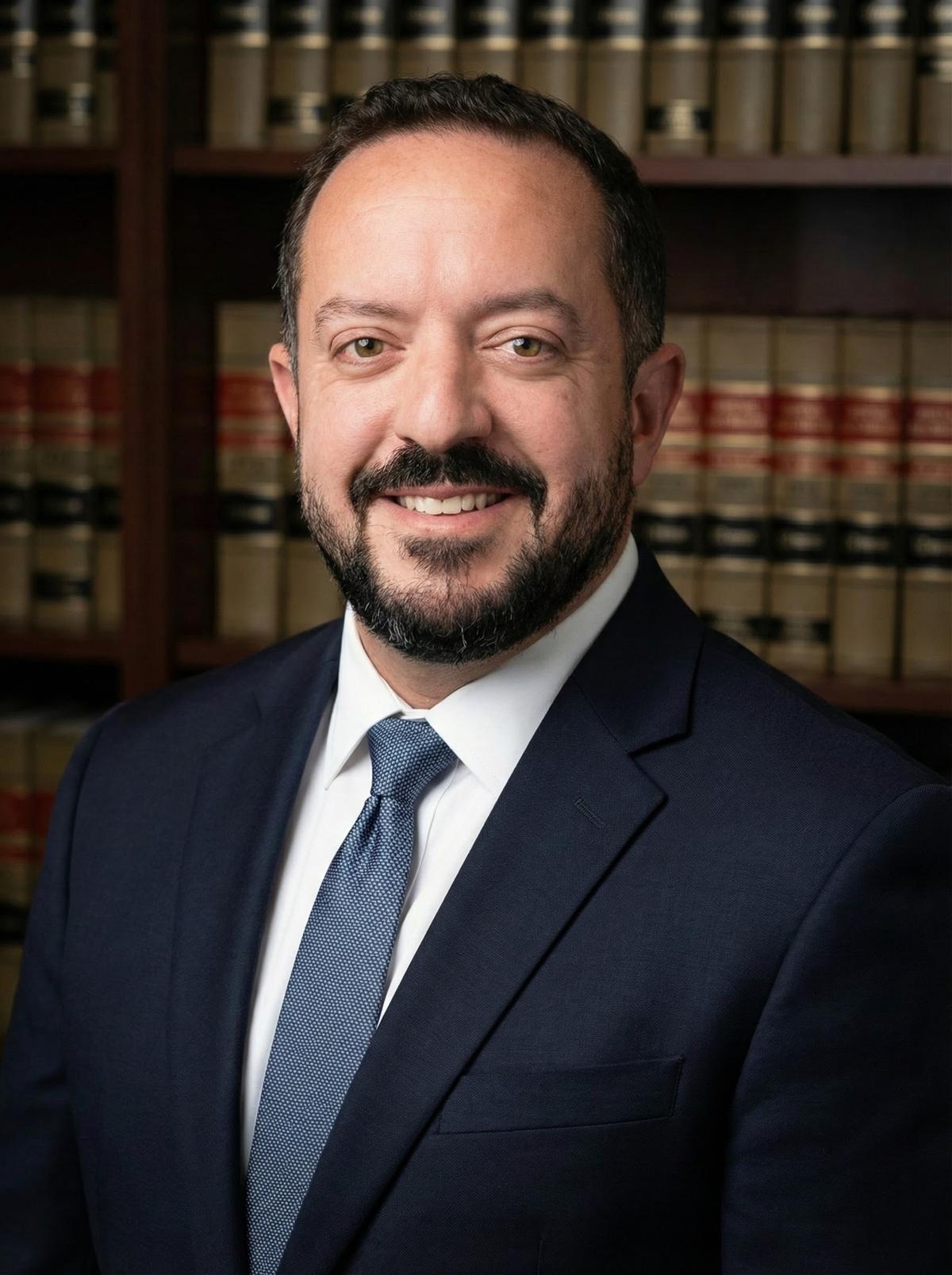
A community incident can make one person feel like a number in a response report. D. Colby Addison works directly with clients to understand the fear, treatment, missed work, and family disruption behind the file. He builds the legal work around that human impact.
Oklahoma trial lawyer handling serious injury and other complex civil disputes.
Putting the pieces together
You bring your experience and the information already available. Addison organizes the story, identifies the unanswered questions, and decides what additional work can provide useful answers.
We work through where you were, what you were told, what you experienced, when care began, and how the event disrupted work and home.
We compare your account with medical records, expenses, public response material, company information, witness accounts, and other evidence that can clarify the event.
If Addison takes the matter, we seek a resolution that addresses the supported medical, financial, property, work, and family consequences of the release.
Straight answers
These answers are a starting point. The right next step depends on what happened, who was involved, and when.
EPA reports that the November 12, 2025 event involved a tanker-gasket leak at 1311 East Main Street, a tanker carrying approximately 25,000 pounds of anhydrous ammonia, a 1.5-mile evacuation, and 36 residents hospitalized. NTSB’s ongoing investigation preliminarily reports 74 people injured, including four critically, and estimates 500 to 1,000 evacuees. NTSB says its information is preliminary and subject to change.
Consider a consultation if you were treated, continue to have symptoms, or missed significant work. Evacuation expenses, property or business loss, and a proposed release are other reasons to call. You can reach out while you are still gathering information or deciding whether the situation supports a claim.
Tell a qualified medical provider when the symptoms began, where you were during the event, and how the symptoms have changed. Follow the provider’s advice and keep instructions, test results, bills, prescription information, and follow-up records. A consultation can then consider that timeline alongside the official event information.
Bring a simple location and time account, emergency alerts, photographs or messages, medical paperwork, receipts, missed-work information, witness names, and any communication from a business or insurer. Do not delay a call while trying to assemble a perfect file; the first conversation can identify what else would be useful.
The initial consultation is free. If representation is offered, the fee arrangement depends on the type and scope of the matter. Addison explains the terms in a written agreement before an attorney-client relationship begins.
Keep exploring
Weatherford incident references
These agency pages provide the official response account, the ongoing preliminary investigation, and information about environmental records. Addison uses that material alongside each client’s timeline, medical history, and losses.
You deserve clear answers
If the release affected your health, work, home, or family, tell us what you have carried since that day. Addison can help turn the scattered pieces into a clear legal path.