
Key Takeaways
- Passengers Usually Are Not at Fault: Unlike drivers, passengers generally do not control either vehicle. In many crashes, the passenger's claim is about which driver or company caused the harm and which insurance policies apply.
- You May Have a Claim Against Your Own Driver: Even if the driver is a friend or family member, their liability insurance may apply. A lawsuit may still name the driver, but insurance usually handles the defense and payment within policy limits.
- Multiple Insurance Policies May Apply: You may have claims against the at-fault driver's liability insurance, your driver's insurance, and potentially your own uninsured or underinsured motorist coverage. Understanding all sources of recovery is essential.
You were a passenger—in your friend's car, your spouse's car, an Uber, a taxi. Then the accident happened. Now you're injured, facing medical bills, and unsure what to do. Can you really file a claim against the person who was driving you? What if the other driver was at fault? Whose insurance actually pays? Passenger injury claims are often simpler than people think—but the emotional complexity of potentially "suing a friend" and the confusion about insurance sources can paralyze victims into inaction. Here's what you need to know to protect your rights.
Why Passenger Claims Are Often Straightforward
In most car accidents, fault is contested. Both drivers blame each other, and insurance companies minimize their own exposure. But passengers occupy a unique position: you weren't driving. You had no control over either vehicle. You couldn't have caused the accident.
This often makes passengers sympathetic claimants. Whatever happened between the drivers, you were simply along for the ride.
The legal simplicity is that at least one driver—usually the one who caused the accident—is liable for your injuries. Often both drivers share some fault. Either way, you have a claim.
The emotional complexity is that one of those drivers may be someone you know—your friend, family member, or significant other. Many passengers hesitate to file claims because they don't want to "sue" someone they care about. But understanding how insurance actually works resolves much of this concern.
Understanding How Insurance Works
Here's the key insight: insurance usually drives payment, but the legal claim is still against the person or company that caused the injury.
The driver who gave you a ride may have liability insurance. When they cause an accident that injures someone, that insurance is supposed to respond up to the policy limits. Your friend or family member usually is not writing a personal check for a covered claim, but a lawsuit may still name them because the insurer's duty to defend and indemnify flows from the policy.
Who Pays When the Other Driver Was at Fault?
If another driver caused the accident, your primary claim is against their liability insurance. Oklahoma requires all drivers to carry minimum liability coverage under 47 O.S. § 7-204, though minimum limits are often inadequate for serious injuries. You're a third-party claimant seeking compensation for injuries their insured caused.
This is the simplest scenario: a stranger hit the car you were in, and you claim against their insurance. There's no relationship complication.
Who Pays When Your Driver Was at Fault?
If the driver who gave you a ride caused the accident, you have a claim against their liability insurance. This is where emotional hesitation often arises.
But consider: your friend or family member pays insurance premiums precisely so that if they cause an accident, their insurance covers people injured by their negligence. In most covered claims, the insurance company handles payment within policy limits. Your driver's rates may increase after an at-fault accident, but that risk usually comes from the accident itself, not from whether you protect your medical claim.
Many passengers suffer in silence, paying their own medical bills, because they don't want to file against someone they know. But that person has insurance for this exact purpose. Using it as intended isn't a betrayal.
What If Both Drivers Share Fault?
In many accidents, both drivers contributed—one ran a yellow light, the other was following too closely. This is good news for passengers: you can claim against both drivers' insurance policies.
Oklahoma follows comparative negligence rules, but as a passenger who wasn't driving, you typically have no driving fault to compare. If both drivers' negligence contributed to your injuries, each may bear responsibility according to the facts and applicable insurance coverage.
What About Your Own Insurance?
You may also have your own insurance sources:
Uninsured/underinsured motorist coverage: If the at-fault driver has no insurance or insufficient insurance, your own policy or the policy of the car you were in may provide additional coverage. This is crucial when the at-fault driver's limits are inadequate for your injuries.
Medical payments coverage: Some auto policies include medical payments coverage, which can cover medical expenses regardless of fault. Check your own policy and the policy of the car you were riding in.
Health insurance: Your health insurance will typically cover your medical treatment, subject to a right of subrogation (reimbursement from any settlement you receive).
Common Passenger Scenarios
Riding with a Friend or Family Member
You're in your sister's car when she's rear-ended at a stoplight. The other driver is clearly at fault. You file a claim against the other driver's liability insurance—simple and no relationship complications.
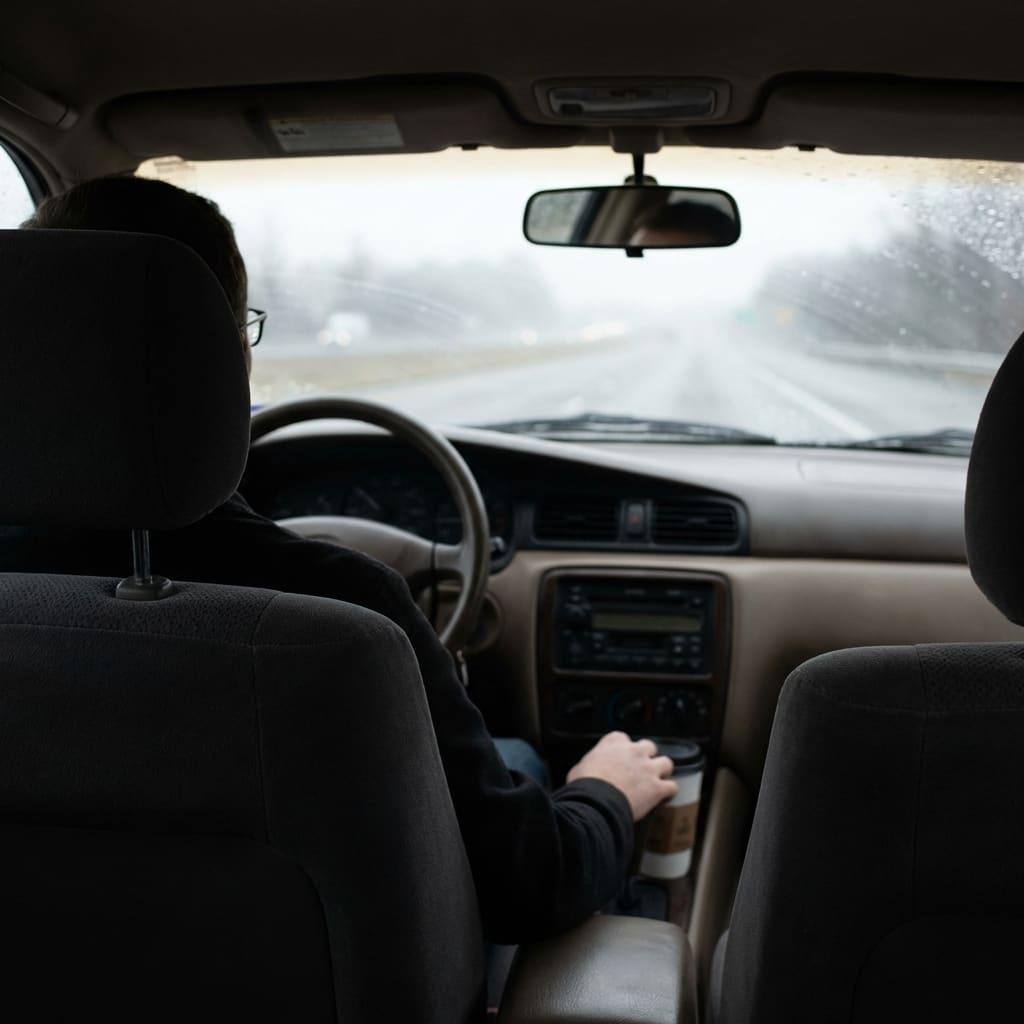
Or: You're in your friend's car when he loses control on a wet road and hits a tree. He's at fault. You can file a claim against his liability insurance. His insurance pays your medical bills and other damages; he doesn't pay personally. The friendship survives because you both understand that insurance exists for this purpose.
Uber, Lyft, and Rideshare Accidents
Rideshare accidents involve layered insurance. Uber and Lyft commonly provide substantial liability coverage for accidents occurring during accepted rides, but the available coverage depends on the driver's app status and the facts of the crash. If your rideshare driver causes an accident while you're a passenger, the company's coverage may apply.
If another driver hits the rideshare vehicle, you have claims against both that driver's insurance and potentially the rideshare company's coverage depending on circumstances.
For a deeper dive, see our article on rideshare accidents.
Taxi and Commercial Vehicle Accidents
Taxis and commercial vehicles often carry different insurance requirements than personal vehicles. If you're injured as a passenger in a taxi, bus, or commercial vehicle, the company's commercial insurance may respond. These policies often have higher limits, but coverage still depends on the vehicle, company, policy, and facts.
Multiple-Vehicle Accidents
In pile-ups or chain-reaction collisions, multiple drivers may share fault. As a passenger, you can potentially claim against several insurance policies. Sorting out relative fault percentages is the drivers' problem, not yours; you simply recover for your injuries from all responsible parties.
What If You're Related to the Driver?
This is where passengers often hesitate most. You're injured, but the at-fault driver is your spouse, parent, or child. How can you sue your own family?
First, remember that insurance usually handles covered claims, even if the legal claim is technically against the driver. The insurance company pays within policy limits; your family member usually does not pay personally unless damages exceed coverage or an exclusion applies.
Second, many families in this situation actually want the injured passenger to file a claim. They feel terrible about causing the accident and want their loved one's injuries covered. Filing the insurance claim gives them peace of mind that the injuries will be properly addressed.
Some policies have exclusions for certain household members, and policy language matters. Oklahoma generally permits claims arising from family-member negligence, but the available recovery depends on the specific policy and facts. An attorney can review the policy to identify limitations.
Your Damages as a Passenger
Passenger injury claims include the same damages as any personal injury case:
Medical expenses: Emergency care, hospitalization, surgery, medications, physical therapy, future treatment
Lost wages: Time missed from work during recovery
Pain and suffering: Physical pain and discomfort from your injuries
Emotional distress: Anxiety, depression, post-traumatic stress symptoms, particularly common after traumatic accidents
Loss of enjoyment: Inability to participate in activities you previously enjoyed
Permanent impairment: Ongoing limitations if you don't fully recover
For a comprehensive discussion of how cases are valued, see our article on what determines your case value.
Steps to Protect Your Claim
Seek Medical Attention Immediately
Go to the emergency room or urgent care after the accident—even if you feel okay initially. Delayed symptoms are common, and early documentation connects your injuries to the accident.
Don't Give Recorded Statements Without Guidance
Insurance adjusters may contact you quickly, seeking a recorded statement. Be cautious. You're not required to give one, and statements made early—before you understand the full extent of your injuries—can be used to minimize your claim.
For more on this, see our article on recorded statement traps.
Document Everything
Keep records of all medical treatment, expenses, lost work, and how injuries affect your daily life. Take photos of visible injuries. Save all paperwork.
Identify All Insurance Sources
Determine what insurance policies might apply:
- The at-fault driver's liability insurance
- The driver's insurance for the car you were in (if different)
- Your own uninsured or underinsured motorist and medical payments coverage
- Any commercial policies if rideshare or commercial vehicles were involved
Consult an Attorney
Passenger claims are often straightforward in terms of liability, but valuing claims and dealing with multiple insurance sources benefits from professional guidance. Most personal injury attorneys offer free consultations and work on contingency—you pay nothing unless they recover for you.
Frequently Asked Questions
Will my friend's insurance rates go up if I file a claim?
Insurance rates may increase after an at-fault accident. That risk usually comes from the accident and claim history, not from your moral decision to protect your medical bills. Your friend's insurance exists to cover people injured through their negligence; using it as intended is not the same as demanding that your friend pay out of pocket.
What if the driver I was riding with has no insurance?
If your driver was uninsured, you can still claim against the other driver's insurance if that driver was at fault. You may also have a claim under your own uninsured or underinsured motorist policy, which covers injuries from accidents involving uninsured or underinsured motorists when the policy applies.
Can I file a claim even if I wasn't wearing a seatbelt?
Yes. Oklahoma law does allow defendants to argue that failure to wear a seatbelt contributed to your injuries, which could reduce your recovery. But it doesn't eliminate your claim—you can still recover for injuries that would have occurred regardless, or for a portion of your damages reflecting comparative responsibility.
What if my injuries don't seem serious at first?
Many injuries—particularly soft tissue injuries, concussions, and spinal issues—don't manifest immediately. Seek medical attention as a precaution and follow up if symptoms develop. The first 72 hours after an accident are critical for documentation.
How long do I have to file a claim?
Oklahoma's statute of limitations for personal injury is two years from the accident date. But don't wait—evidence degrades, witnesses forget, and early documentation strengthens your claim.
What if the at-fault driver's insurance isn't enough to cover my injuries?
This is where uninsured or underinsured motorist coverage becomes critical. If the at-fault driver has minimum liability limits ($25,000 in Oklahoma) and your injuries far exceed that, applicable underinsured motorist coverage may help fill the gap. This is why carrying adequate coverage is so important.
Being injured as a passenger often puts you in a sympathetic position—you had no control over the vehicles. But understanding how insurance claims work, and overcoming reluctance to file a valid claim involving people you know, is essential to recovering fair compensation.
At Addison Law, we help passengers navigate these claims while preserving relationships. We deal with insurance companies so you don't have to, and we ensure all applicable coverage sources are identified and pursued. Contact us for a free consultation about your passenger injury claim.
Injured as a Passenger?
We'll help you navigate the insurance sources and protect your rights—without damaging your relationships.
Get a Free Case Evaluation →This article is for general information only and is not legal advice.