A road collision with lingering symptoms
Keep the map pin, travel directions, vehicle positions, damage, report, insurance exchange, witnesses, and original photos. Tell providers when symptoms began and how they affect daily activity.
Ada help when injury overtakes the week
Pain, appointments, missed work, transportation trouble, and insurer calls can arrive together. Tell Addison where the injury occurred and how daily life changed. The firm can investigate the scene and responsible parties while the medical and household record develops.
Addison Law Firm's office is in Oklahoma City. The firm serves Ada-area clients by phone, video, or arrangement.
For an injured person and the household adapting around them
Some losses appear in medical records or bills. Others appear in missed work, disrupted sleep, canceled plans, and added caregiving. Addison connects those changes to treatment and scene evidence.
Injuries that disrupt more than one part of life
Serious injury can disrupt movement, work, family duties, transportation, and finances. The investigation should follow those consequences and the original scene evidence.
Keep the map pin, travel directions, vehicle positions, damage, report, insurance exchange, witnesses, and original photos. Tell providers when symptoms began and how they affect daily activity.
Safely photograph the approach, surface, lighting, warnings, obstruction, weather, and surrounding area before conditions change. Keep incident papers, witnesses, video details, and operator or insurer communications.
Record the site, task, equipment, ownership marks, supervisors, contractors, safety instructions, witnesses, and reports. Keep lawful employment and benefit papers; Addison can investigate each entity's role.
Keep treatment, benefit, wage, bill, travel, replacement-service, and funeral records, plus a factual account of changed family responsibilities. Families need not value the loss themselves.
How Addison builds an injury matter
Addison builds one chronology linking the source of harm, symptoms, treatment, work interruption, expenses, and changes others can observe.
Coordinates, travel or walking path, entrances, signs, lighting, weather, surface, equipment, debris, damage, witnesses, cameras, reports, and work markings help reconstruct the event and identify possible record holders.
Emergency instructions, imaging, referrals, specialists, therapy, prescriptions, restrictions, missed visits, and relevant earlier conditions are arranged by date. Access, cost, and transportation problems are recorded rather than hidden.
Pay and leave records, business information, receipts, mileage, calendars, replacement help, photographs, and family observations can explain lost earnings, added expense, reduced mobility, and changes in household work.
Policy papers, claim communications, benefit statements, bills, payment histories, and reimbursement notices may come from different systems. Addison reviews them with the evidence of responsibility and recovery before advising on a major decision.
Early choices should support recovery
The first record does not need to be polished. It should show where the injury happened, what changed in the body, what care was recommended, and which photographs or papers were created closest in time.
Describe symptoms and onset accurately, follow restrictions, and retain referrals, prescriptions, imaging, and appointment details. Record transportation, cost, scheduling, or caregiving barriers that interrupt the plan.
Keep the map pin, wide and close photographs, video, witness contacts, incident or collision number, clothing, equipment, vehicle, receipts, and repair or tow information. Do not alter the only original file.
Record claim numbers, caller names, dates, statement requests, authorizations, letters, offers, and response dates. Keep envelopes, attachments, voice mail, email, and text rather than relying on memory.
Ada locations need precise scene details
The Oklahoma Department of Transportation maps show United States Highway 377, several State routes, City streets, and County roads in and around Ada. The maps do not establish control. An exact map pin, direction, entrance, and photographs are still needed to understand the scene.
An Ada Police request, a Pontotoc County office, and a state transportation request lead to different records. Medical providers, property operators, employers, insurers, repair shops, tow companies, and nearby businesses may each hold another piece. Keep every item's complete heading and source.
Photograph the approach, travel direction or walking path, entrances, signs, lighting, surface, damage, and nearby landmarks. Keep the unedited files and the map pin where they were made.
Copy names from vehicles, uniforms, reports, property signs, tickets, agreements, work orders, insurance exchanges, and work papers. Those details help Addison investigate the relationships instead of relying on a logo or shared address.
List emergency care, follow-up visits, diagnostic imaging, specialists, therapy, medication, restrictions, missed appointments, travel needs, and the reason for any delay or gap.
Keep claim numbers, emails, letters, statement requests, authorizations, repair estimates, benefit explanations, offers, and response dates. Ask when a factual question is unclear rather than guessing.
Why Addison
Addison prepares injury matters with close attention to both responsibility and the client's lived recovery. Accepted clients receive direct communication about evidence, treatment documentation, insurance disputes, and decisions that may affect the household. The firm values accurate records over inflated promises about outcome or timing.
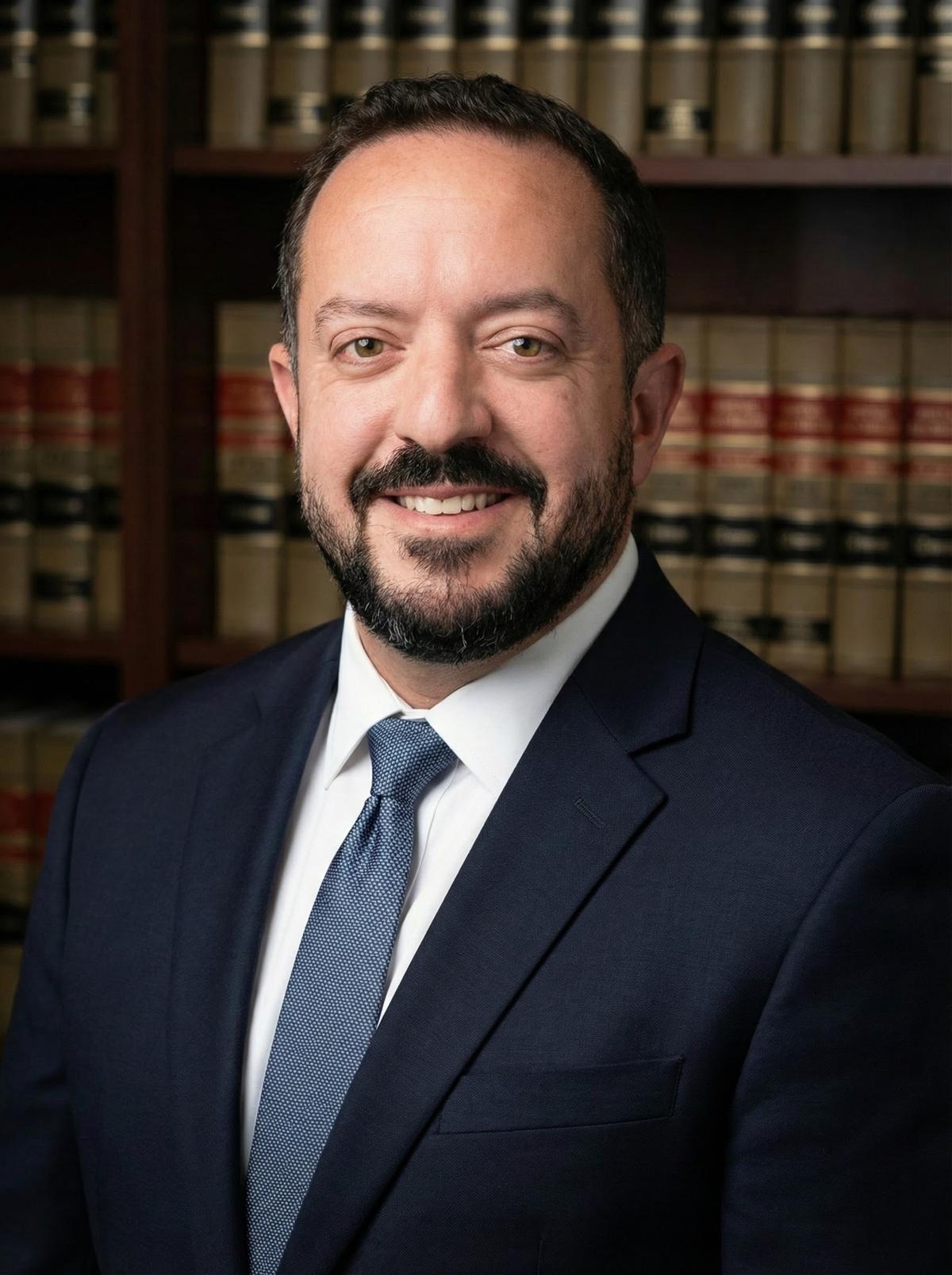
D. Colby Addison represents Oklahoma people and families after severe preventable injuries and losses.
From first treatment to a complete recovery account
The beginning is the scene, first symptoms, original media, care instructions, and immediate household disruption. Additional responsibility and damages questions are developed as records arrive and recovery becomes clearer.
Share the exact location, sequence, witnesses, report information, photographs, first care, work impact, transportation issue, insurance contact, and the problem pressing most today.
Addison investigates people, property, vehicles, conditions, warnings, records, and possible controllers while organizing symptoms, providers, diagnostics, restrictions, treatment, and relevant history.
Insurance communication, medical progress, income loss, expenses, assistance, liens or repayment issues, and daily limitations belong in the same discussion. Scope and fees are stated in writing if representation is offered.
Straight answers
These answers are a starting point. The right next step depends on what happened, who was involved, and when.
Keep original scene media, the exact location, report numbers, witness contacts, damaged items, treatment instructions, insurance messages, compensation records, receipts, and a dated account of recovery.
No. It may identify people and observations, but photographs, video, witnesses, ownership and control records, maintenance material, company documents, and other evidence may change the analysis.
Find out who is requesting it, which policy or claim is involved, and why it is wanted. Provide required information accurately, and seek advice before answering questions you do not understand.
Keep schedules, compensation and leave records, restrictions, mileage, receipts, replacement-service costs, and a factual calendar describing tasks you could not do or had to perform differently.
Give providers and Addison an accurate history. Earlier records can help distinguish the prior condition from new trauma, aggravation, different symptoms, and additional treatment required after the event.
Keep exploring
Ada resources
These links give background on the offices, records, roads, and legal materials discussed above. They cannot answer a specific legal question without the complete facts.
Show what recovery now requires
Bring the scene, treatment course, work interruption, household changes, expenses, insurer communications, and original photographs. Addison can build the investigation around your lived recovery.