Rear-end and intersection crashes
A driver may follow too closely, miss a signal, turn across traffic, or dispute who had the right of way. Photos, witness accounts, vehicle damage, and nearby video can help establish the sequence.
Help after a serious Tulsa crash
If a wreck left you hurt, without reliable transportation, missing work, or dealing with an insurer that will not listen, Addison can investigate what happened and help you pursue a fair result.
Addison Law Firm's office is in Oklahoma City. The firm evaluates Tulsa-area matters and can meet by phone, video, or arrangement.
For injured drivers, passengers, and families
A collision claim is about more than vehicle damage. Pain, medical appointments, missed income, family responsibilities, and uncertainty about the future all deserve a careful legal review.
Crashes Addison can evaluate
The road, vehicles, injuries, and insurance coverage shape the claim. Addison reviews serious crashes throughout the Tulsa area, including these common situations.
A driver may follow too closely, miss a signal, turn across traffic, or dispute who had the right of way. Photos, witness accounts, vehicle damage, and nearby video can help establish the sequence.
Higher speeds and several impacts can make fault and injury questions harder. Each driver's actions, lane movement, impact point, and insurance may require separate attention.
The responsible driver may have too little coverage or none at all. Your own policy, household policies, employer coverage, and other responsible parties may need review before a claim is valued.
A person outside a vehicle can suffer devastating harm. Rideshare status, app activity, road design, visibility, and multiple insurance policies may add important questions.
How Addison builds the claim
The work should explain both why the wreck happened and what it has cost you. Addison develops those parts together instead of letting an insurance form define the case.
We examine the scene, vehicle positions, photographs, witnesses, reports, available video, phone information, traffic controls, and competing accounts. The goal is a reliable account that can withstand an insurer's challenge.
Emergency care is only the beginning for many clients. We organize later treatment, diagnoses, restrictions, symptoms, referrals, future needs, and the effect on work and daily life.
Liability coverage, uninsured or underinsured motorist protection, medical payments coverage, employer policies, and other insurance can affect recovery. We compare the policy language with the people and vehicles involved.
A claim needs clear proof of fault, injury, and damages. Addison prepares accepted matters for the possibility of litigation while remaining open to a fair resolution that serves the client's goals.
What to do now
Put medical care and personal safety first. Preserve what you already have, but do not return to a dangerous road or feel responsible for conducting the investigation yourself.
Tell providers where you hurt, how symptoms have changed, and what activities are difficult. Follow reasonable treatment advice and explain any gap caused by cost, transportation, work, or scheduling.
Save the exchange sheet, report number, photographs, witness contacts, tow papers, repair information, medical documents, receipts, and insurance messages. Original files are usually more useful than edited copies.
You may need to cooperate with your own insurer, but you do not have to guess about a broad release or recorded statement. Ask for advice before signing away rights you do not understand.
Tulsa driving context
Interstates 44 and 244, U.S. 75 and 169, the Broken Arrow Expressway, and busy city streets carry commuters, families, visitors, and commercial traffic. A wreck may happen at highway speed or during an ordinary trip through an intersection. The legal review begins with your actual crash, not a generic corridor description.
Tulsa-area trips can cross city and county lines. You do not need to determine the correct county or agency before asking for help. Share the location, exchange sheet, report number, and photographs you have. Addison can sort out which local details matter while you focus on treatment.
A collision report can identify the drivers and responding agency, but it may not resolve fault or capture every witness, photograph, injury, or later medical problem.
Businesses, homes, traffic systems, dash cameras, and other vehicles may have useful footage. Note what you saw near the scene so counsel can decide whether quick follow-up is warranted.
Emergency, imaging, specialist, therapy, pharmacy, and primary-care information may sit in different systems. Keep a simple appointment list so the medical story does not end with the first hospital visit.
Why Addison
Addison treats a car-accident claim as a real disruption to a person's life. We investigate carefully, explain insurance issues plainly, and prepare accepted cases for the resistance they may face. No lawyer can promise a result, but every client deserves an honest plan.
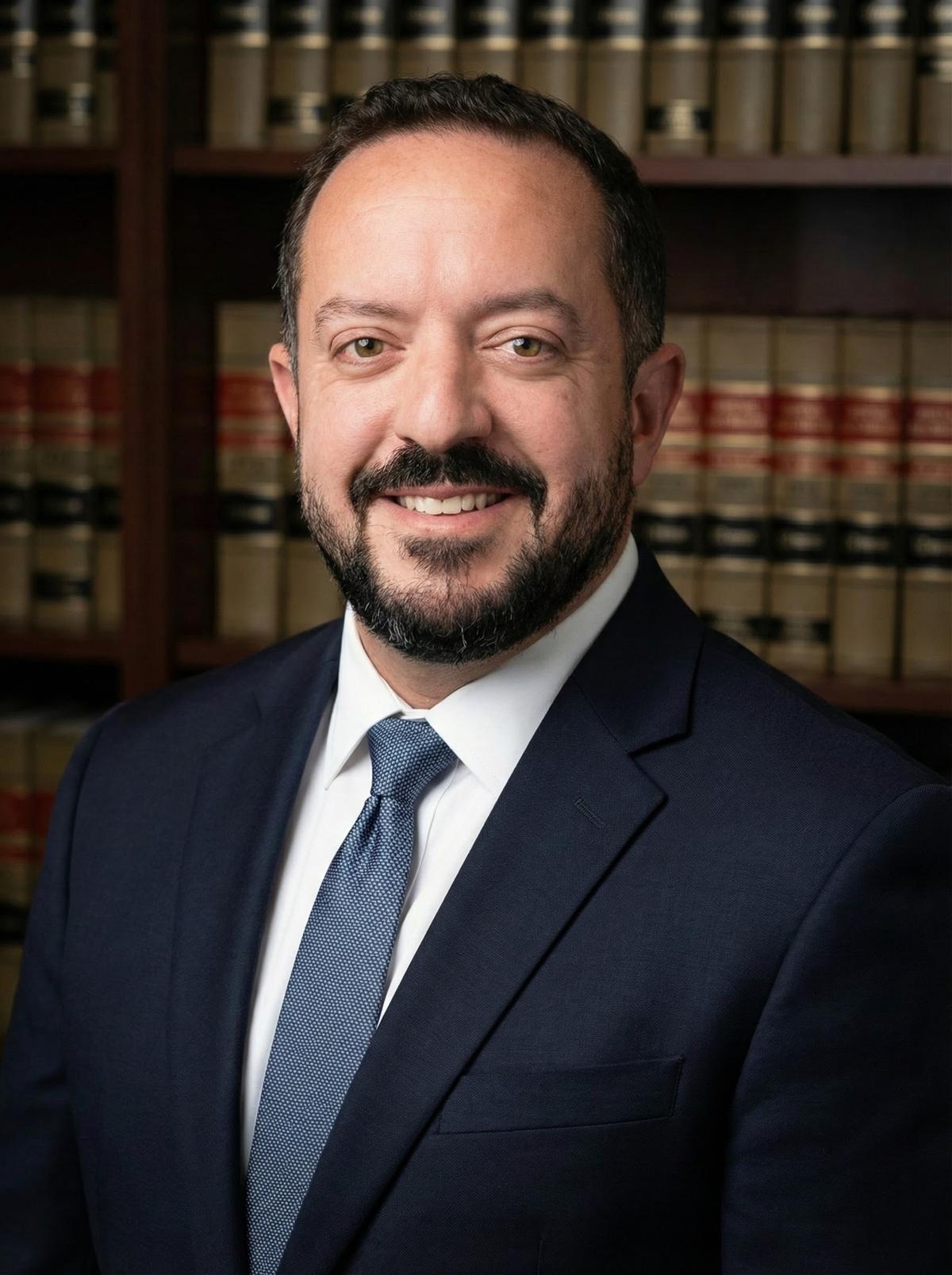
D. Colby Addison is an Oklahoma trial lawyer who represents people and families in serious injury and insurance disputes.
What happens after you reach out
We begin with the collision, your health, available insurance, and the decision that requires attention now.
Share where the wreck occurred, who was involved, how you were hurt, where you received care, and what the insurers have said. Bring the documents you already have.
The firm considers fault, evidence, medical causation, coverage, damages, and timing. We explain the strengths, missing facts, and questions that should be answered before recommending the next step.
Once you decide to hire the firm and complete the written agreement, Addison begins the work.
Straight answers
These answers are a starting point. The right next step depends on what happened, who was involved, and when.
Move to safety if you can, seek appropriate medical care, exchange information, and report the collision when required. Photograph the vehicles and scene if it is safe. Keep witness contacts and all papers. Avoid guessing about fault or minimizing injuries in an insurer conversation before you understand the situation.
Possibly. Oklahoma's comparative-fault rules can reduce or sometimes prevent a recovery, depending on the allocation of responsibility. An insurer's first opinion is not the final word. Vehicle positions, traffic controls, witnesses, video, and the complete sequence should be reviewed before accepting a fault percentage.
Do not assume there is no path forward. Uninsured or underinsured motorist coverage, medical payments coverage, household policies, an employer's policy, vehicle ownership, and other responsible parties may matter. The actual policies and relationships must be reviewed before anyone can say what coverage is available.
You generally should not feel pressured to give an immediate recorded statement to the other driver's insurer. Statements about the crash, symptoms, treatment, or prior health can later be disputed. Get advice first. Your duties to your own insurer depend on the policy and should be handled carefully.
Some accepted injury cases may use a contingency-fee agreement. Other arrangements may apply to different work. If Addison offers representation, the written agreement explains the fee, responsibility for expenses, and scope before legal work begins. The arrangement is not based on a promised recovery.
Keep exploring
Tulsa resources
These links provide local services and background information. They cannot decide whether you have a claim or replace advice about your situation.
Talk with a Tulsa car-accident lawyer
Share where the wreck happened, the treatment you have received, and what the insurance companies are asking you to do.