Road collisions
Record the point, route, direction, lane, intersection or entrance, vehicle positions, traffic controls, weather, visibility, damage, debris, witnesses, responders, tow destination, report details, and nearby cameras.
Personal-injury help when life changes suddenly
A collision, unsafe property, equipment failure, animal encounter, or other serious event can disrupt health, work, and family life. Addison helps injured people preserve evidence and make careful decisions.
Addison Law Firm's only office is in Oklahoma City. The firm serves Anadarko-area clients by phone, video, or arrangement.
For injured people and families helping them
Describe the event, identify the point on a road or property, and explain the first symptoms and treatment. The opening review also follows missed work, bills, insurance contact, household strain, and the next decision requiring attention.
Injuries need more than a report number
No single document tells the whole story. Scene evidence, witness accounts, medical records, work records, property information, inspection history, and insurance files may answer different parts of what occurred.
Record the point, route, direction, lane, intersection or entrance, vehicle positions, traffic controls, weather, visibility, damage, debris, witnesses, responders, tow destination, report details, and nearby cameras.
Photograph the condition and surroundings before they change. Save signs, lighting, measurements, entrances, boundaries, prior complaints you personally know about, incident papers, employee names, repair activity, and proof identifying the property and responsible operations.
Preserve the machine, tool, vehicle, task, training, instructions, protective equipment, warnings, maintenance clues, employer communications, witnesses, and workers' compensation or other benefit papers without assuming one process resolves every loss.
Keep emergency, hospital, specialty, therapy, pharmacy, and home-care records together. Families should preserve relevant funeral papers, income records, photographs, calendars, assistance provided, and concrete examples of changed daily life.
An injury review from the outside in
Addison begins with immediate health and evidence needs. The work distinguishes each person and organization, tests what reliable material supports, and evaluates how the injury affected the client's finances and ordinary routines.
Use original photographs, video, coordinates, maps, measurements, reports, witness contacts, camera locations, tow records, property papers, and visible markings. Keep an untouched copy and note who gathered each item and when.
Review names on reports, insurance papers, vehicle records, contracts, incident forms, property records, uniforms, signs, correspondence, and bills. A responder or nearby office may not own, maintain, employ, insure, or control the place or activity.
Track symptoms, examinations, diagnoses, imaging, referrals, therapy, medication, restrictions, missed appointments, improvement, setbacks, and prior related conditions honestly. Medical decisions belong with qualified providers, not litigation strategy.
Collect bills, benefit explanations, travel costs, prescriptions, wage and leave records, business-loss material, household assistance, and damaged-property receipts. Add examples of activities the injury changed or ended.
The first days after injury
Urgent care and safety come first. Once immediate needs are addressed, preserve original scene material, follow medical instructions, and avoid an uncertain account merely because an insurer or organization wants a quick answer.
Tell providers what happened, when symptoms began, and how they changed. Follow reasonable instructions, ask questions about restrictions, and obtain urgent help for worsening or dangerous symptoms.
Keep scene media, clothing or equipment when safe, reports, medical instructions, receipts, insurance messages, missed-work notices, and witness details. Store a backup without editing original files.
Confirm the caller, company, claim number, requested material, and stated deadline. Correct clear errors, but do not guess about distance, speed, diagnoses, recovery, fault, or facts you do not remember.
Anadarko scene details
United States Highways 62 and 281 and State Highways 8 and 9 meet roads, streets, entrances, and private property around Anadarko. The Caddo County highway map does not assign maintenance. Save a map pin, direction, lane, nearest crossroad, entrance, boundaries, and visible signs.
City departments, Caddo County offices, State agencies, federal offices, businesses, employers, contractors, property operators, and insurers may hold different records. A report heading or response does not establish control. Keep every exact name and number.
A nearby Bureau office, Tribal program, business name, or hearing location does not establish land status or identify a responsible government or entity. Original land, ownership, operating, employment, contract, and event records must supply those answers.
Save coordinates, travel direction, lane, intersection, entrance, property feature, nearest address, mile or route marker, and wide photographs showing how the location fits together.
Preserve report numbers, dispatch references, incident forms, exchange papers, citations, diagrams, photographs, tow information, and later supplements. Different offices may hold different parts.
Weather, traffic controls, lighting, spills, crops, equipment, warning signs, surface defects, repairs, video, and vehicle positions may change quickly. Record personal observations without guessing.
Copy names from signs, vehicles, policies, property papers, reports, uniforms, pay records, invoices, and correspondence. Similar branding does not necessarily mean common ownership or control.
Injury counsel should understand life behind the file
Addison evaluates the evidence and the real effect of an injury. Advice addresses treatment, causation, disputed facts, insurance, likely expense, timing, and the client's priorities. The client receives candid choices rather than a promised outcome.
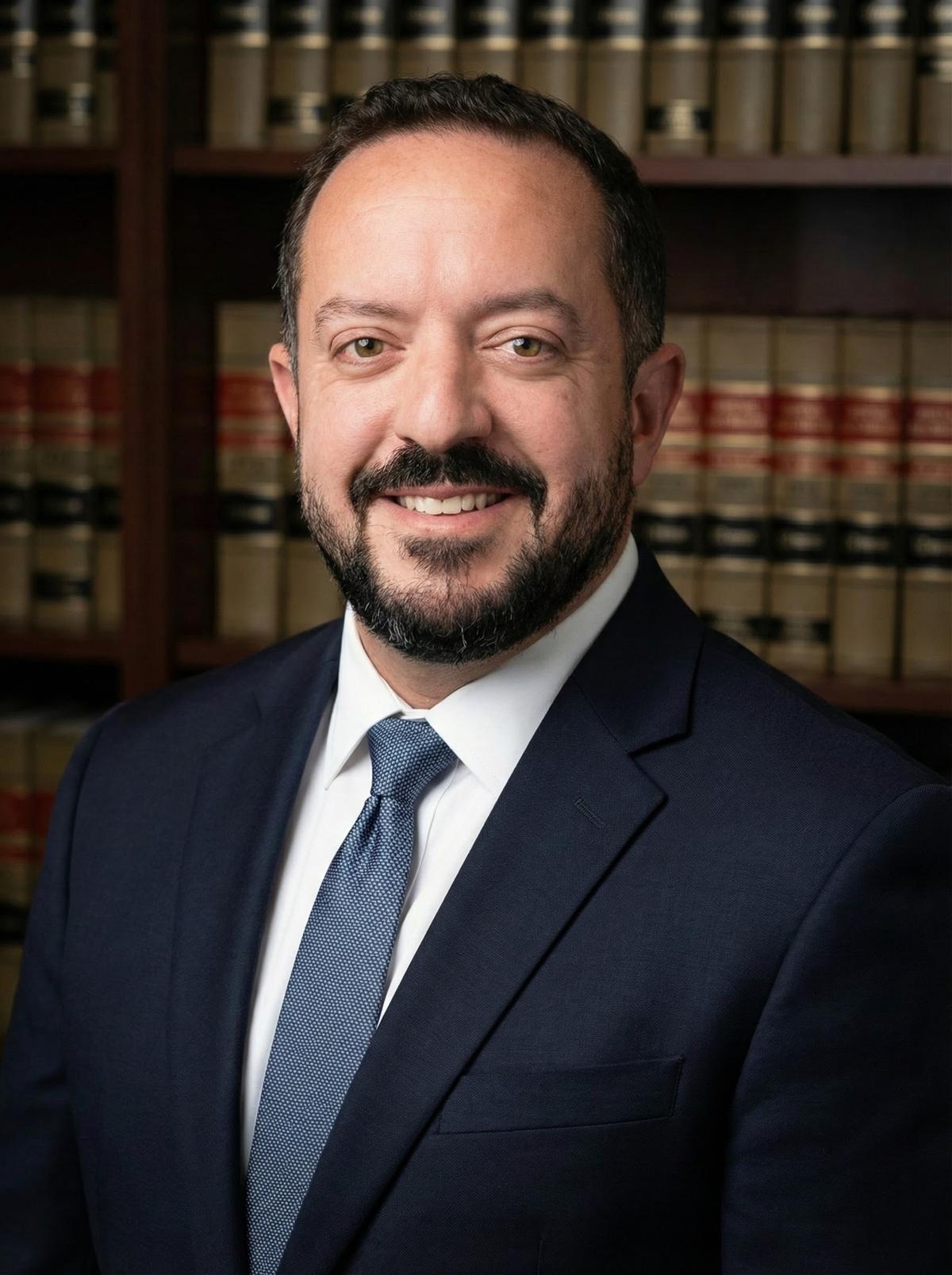
D. Colby Addison represents injured Oklahomans and families in significant personal-injury and wrongful-death matters when the firm accepts the engagement.
From disruption to a supported account
The investigation and treatment record often develop at different speeds. Addison protects evidence that may disappear, follows the medical course, identifies disputed points, and reassesses responsibility and loss as reliable information arrives.
Preserve the exact scene, original media, physical items, vehicle or property identifiers, reports, witnesses, cameras, inspections, maintenance clues, and communications. Direct requests to the source likely to hold each record.
Organize emergency care, follow-up visits, imaging, referrals, therapy, medication, restrictions, prior related history, and missed work by date. Resolve gaps and errors while the information can still be checked.
Review participants, control, notice, medical evidence, insurance, benefits, liens, expenses, income loss, family impact, applicable process, and current law. An accepted engagement states scope and responsibilities in writing.
Straight answers
These answers are a starting point. The right next step depends on what happened, who was involved, and when.
Capture wide and close views of the exact scene, approaches, boundaries, signs, lighting, traffic controls, surface or equipment condition, vehicles, damage, debris, visible injuries, identifying marks, and changes made afterward. Keep the original files.
Do not guess. Preserve coordinates, route and direction, entrance, nearest address, report details, signs, property papers, photographs, and names. Those facts can guide a focused search of City, County, State, federal, organizational, contractor, or private records.
Seek appropriate care based on your symptoms and medical needs. Prompt evaluation can protect health and create an accurate record. Follow provider advice and return or obtain urgent help if symptoms worsen.
Keep provider restrictions, schedules, attendance records, leave requests, wage statements, tax records, benefit notices, employer messages, and proof of used leave. A supervisor or payroll statement can help explain actual hours and pay lost.
Bring original scene media, the precise location, reports, witness names, medical instructions and records, bills, insurance communications, work-loss proof, relevant prior history, damaged-property information, and the next stated deadline.
Keep exploring
Anadarko and official resources
These links identify public offices, record systems, roads, and legal materials that may provide background. The right source depends on the person, organization, place, document, and date.
Begin with the scene and medical course
Share the precise place, original photographs, reports, witness details, treatment, restrictions, bills, insurance messages, missed work, and approaching dates. Addison can identify initial preservation and investigation needs.