Unreasonable force during a stop or arrest
Force may involve restraint, strikes, a weapon, a vehicle, or pressure after control was achieved. Commands, medical findings, witnesses, photographs, and video can test the official account.
Civil-rights help for Ardmore
Addison evaluates severe harm involving force, detention, searches, retaliation, and dangerous custody conditions. The work protects the person's health and memory, then investigates what happened and who exercised power.
Addison Law Firm's office is in Oklahoma City. The firm serves Ardmore-area clients and can meet by phone, video, or arrangement.
For people harmed by government conduct
A public encounter may cause injury, lost wages, damaged property, criminal proceedings, or a family crisis. Addison begins with those consequences, then evaluates the conduct and proof.
Civil-rights problems Addison evaluates
The work separates memory, documents, video, medical proof, and official explanations to determine what each person did and what harm followed.
Force may involve restraint, strikes, a weapon, a vehicle, or pressure after control was achieved. Commands, medical findings, witnesses, photographs, and video can test the official account.
An arrest, extended hold, entry, search, or seizure can cost freedom, privacy, property, or work. Addison examines the stated basis, available paperwork, and what followed.
A citation, arrest, threat, or restriction may raise concerns when it follows criticism, recording, or a complaint. Timing and the full communication history matter.
A detained person may face ignored symptoms, missing medication, assault risk, unsafe restraint, or delayed treatment. Requests for help, transport records, medical charts, and family communications may reveal the timeline.
How Addison develops the matter
Addison identifies who was involved, investigates the evidence, tests legal obstacles, and connects the conduct to the resulting harm.
The firm compares the client's account with reports, dispatch information, video, photographs, witnesses, medical records, court papers, and later explanations. Conflicts and gaps remain visible.
A uniform, vehicle, title, or report may not reveal the full decision structure. Addison verifies participation, supervision, policy, and whether a broader practice contributed.
The defense may challenge conduct, credibility, injury, causation, and damages. Addison tests the account against objective evidence, current law, medical proof, and inconvenient facts.
Medical treatment, missed work, damaged relationships, fear, humiliation, or lost independence require support from records, qualified testimony, and honest lived experience.
After a harmful government encounter
A public confrontation or rushed complaint may not protect the claim. Obtain care, keep original materials, follow valid court directions, and write a private account while details remain available.
Record the location, time, names, descriptions, commands, movement, force, search, detention, release, medical response, witnesses, and later contact. Mark what you did not see or cannot remember instead of trying to complete the story.
Preserve photographs, video, phone files, downloads, texts, voicemails, and cloud copies in their original form. Do not compress the only copy, add captions to the original, or delete material because it appears unfavorable.
Civil counsel cannot replace emergency treatment, crisis support, or criminal-defense advice. Identify continuing danger and any pending court date first. Then provide Addison the civil evidence, injury information, and papers needed for review.
Investigating an Ardmore-area event
An Ardmore-area encounter may continue through transport, booking, medical care, or court. The address, report heading, badge, vehicle, and court papers help trace that sequence.
Bring the papers and describe what each person did. Addison will trace the roles and decide which records, medical proof, or witnesses deserve attention first.
Keep every page, attachment, signature, camera reference, and envelope. The organization named on the report may differ from what a witness assumed.
Body cameras, patrol vehicles, dispatch, nearby properties, and medical facilities may preserve different moments. Note camera locations without trespassing or confrontation.
Seek appropriate care and explain accurately how the injury occurred. Photographs, symptoms, diagnostic findings, restrictions, medication, follow-up, and later changes may distinguish the actual event from assumptions made afterward.
Why Addison
Addison prepares serious constitutional cases with close attention to objective evidence, current law, credibility, and the questions an opposing lawyer, judge, or jury will ask. Clients receive a candid assessment of strengths, gaps, legal barriers, and practical costs.
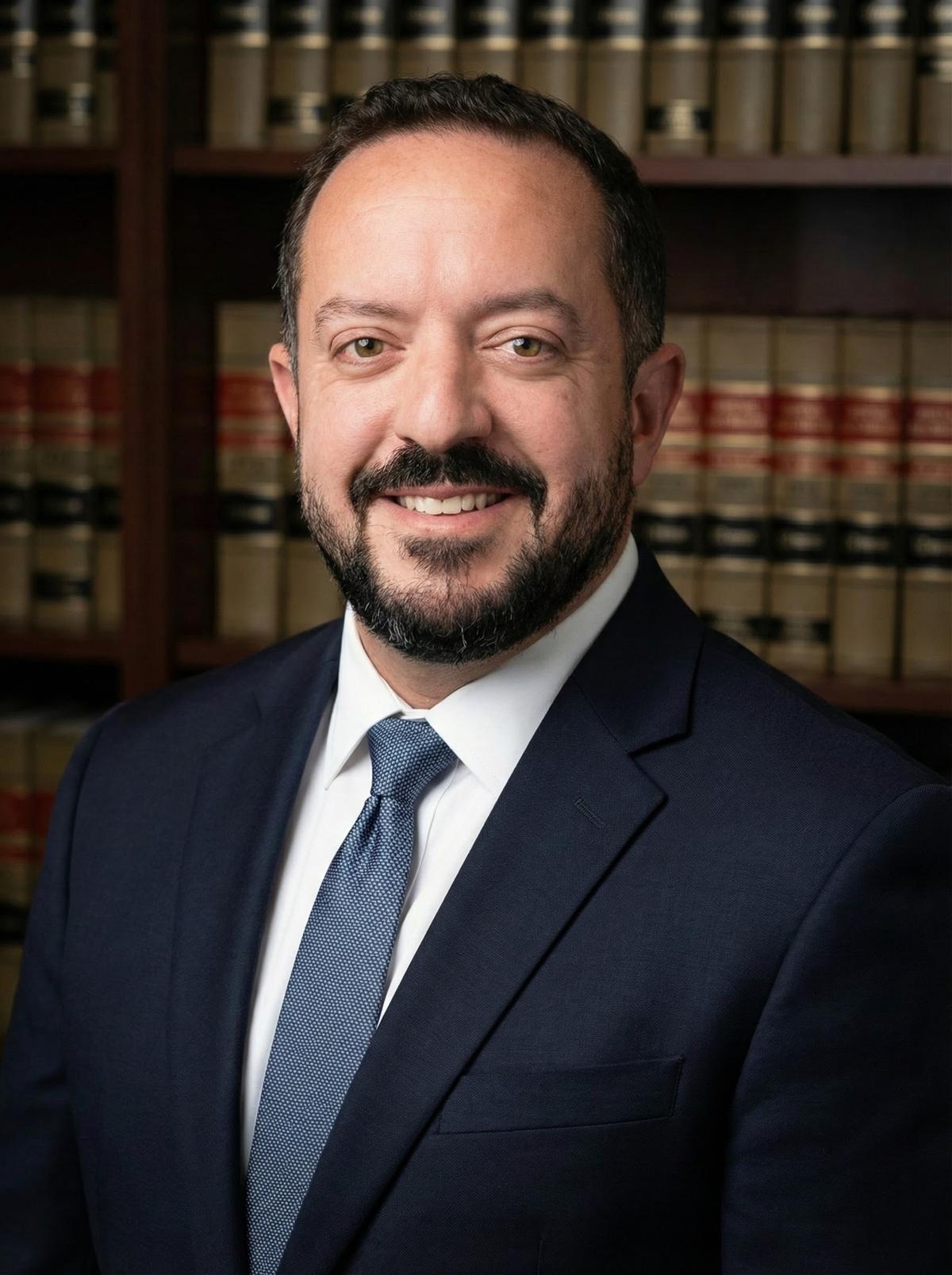
D. Colby Addison represents people harmed by serious government misconduct and litigates civil cases where constitutional doctrine, institutional evidence, medical proof, and damages must align.
From encounter to legal direction
The review moves from the client's account to independent information, current law, anticipated defenses, and a realistic decision about the next step.
Share the sequence, injury, detention, treatment, charges, work effects, witnesses, and continuing consequences. Provide the strongest document or video first and name any pending date requiring action.
The firm confirms the participants, organizations, location, recordings, reports, medical proof, complaint history, and related proceedings. It also examines timing, immunity, causation, and facts that may complicate the account.
Addison explains the claim's strengths, obstacles, unanswered questions, and practical next move. If representation is offered, the objectives, responsibilities, and fees are confirmed in writing.
Straight answers
These answers are a starting point. The right next step depends on what happened, who was involved, and when.
No. The analysis depends on the specific right, each person's conduct, the authority being used, causation, injury, defenses, and available remedies. Addison reviews the evidence and current law instead of promising a claim from a label.
A complaint may serve an important purpose, but it may not preserve recordings, satisfy another process, extend a deadline, or protect every claim. Save the instructions and proposed statement. Advice before filing can help keep the account accurate and focused.
Preserve original media, clothing, photographs, medical papers, prescriptions, report and dispatch numbers, citations, booking or release papers, witness contacts, messages, complaint receipts, wage proof, and a dated account of symptoms and consequences.
No. A place name can help locate people, agencies, courts, and records, but it does not establish employment, authority, liability, immunity, or jurisdiction. Addison verifies the organizations and roles from the address, reports, and other facts.
Video may be overwritten, memories fade, and different legal or administrative steps use different time limits. This page states no universal deadline. Bring the event date, papers, complaint history, and any pending court or response date.
Keep exploring
Ardmore resources
These links offer background on the public services, places, and records discussed above. They do not decide what happened in a particular matter or replace advice based on the complete facts.
Begin with the encounter and its harm
Share the sequence, injuries, strongest original evidence, pending papers, and nearest important date. Addison can identify the immediate preservation and investigation priorities.