Force that caused significant injury
A stop, arrest, welfare check, or other encounter may involve restraint, a weapon, a vehicle, or repeated force. Medical findings, video, witnesses, commands, and timing matter.
Civil-rights help for Bixby
Addison evaluates serious harm involving force, detention, searches, retaliation, and unsafe custody conditions. Health and freedom come first. The legal work preserves the record and identifies who made each decision.
Addison Law Firm's office is in Oklahoma City. The firm serves Bixby-area clients and can meet by phone, video, or arrangement.
For people and families
A government encounter can leave injury, fear, missed work, bills, charges, or lasting distrust. Addison begins with those consequences, then evaluates the conduct and proof.
Problems the firm evaluates
The question is what each person did, what authority was claimed, what harm followed, and what reliable evidence shows.
A stop, arrest, welfare check, or other encounter may involve restraint, a weapon, a vehicle, or repeated force. Medical findings, video, witnesses, commands, and timing matter.
An arrest, extended detention, entry, search, or seizure can cost freedom, privacy, property, or work. Addison examines the information known, the stated reason, and what followed.
Government action after criticism, recording, a complaint, or public participation can raise questions about motive. Timing, communications, the decision history, and the explanation must be reviewed together.
A detained person may face untreated illness, assault risk, unsafe restraint, or delayed care. Requests for help, medication, transport, and medical records may reveal the timeline.
How Addison approaches the work
Addison traces the people and organizations involved, investigates the evidence, tests legal obstacles, and connects the event to its losses.
The investigation compares the client's memory with dispatch information, reports, video, photographs, witnesses, medical records, court papers, and later explanations. Conflicts and uncertainty remain visible.
A badge, vehicle, uniform, or report may not show the whole decision chain. Addison determines who participated and whether training, policy, supervision, or repeated practices matter.
Defendants may challenge the facts, legal protection, causation, and damages. Addison tests those questions against the client's conduct, objective evidence, current law, medical proof, and prior conditions.
Treatment, lost wages, damaged relationships, fear, humiliation, or reduced independence require support from records, qualified testimony, and the client's lived experience.
After a difficult government encounter
The safest next move is usually not a public argument. Obtain care, preserve what already exists, follow valid court instructions, and write privately while the sequence remains fresh.
Record the location, time, names, commands, movement, force, search, detention, release, medical response, witnesses, and later contacts. Mark what you cannot remember.
Preserve phone files, cloud copies, messages, voicemails, photographs, and video in original form. Do not alter the only copy or delete unfavorable material.
A lawyer cannot replace medical care, crisis support, or a court appearance. Address danger first, then provide the documents, injuries, pending charges, and dates.
Bixby-area investigation
A Bixby-area encounter may continue through transport, booking, medical care, or court. The address, report, badge, vehicle, and court papers help trace that sequence.
Bring what you received and describe what each person did. Addison will verify the roles and identify which records, medical proof, or witnesses matter most.
A first page may omit attachments, camera references, signatures, or another agency name. Keep the complete file, envelope, links, and corrected versions.
Body cameras, patrol vehicles, dispatch, nearby properties, and medical facilities may record different moments. Note camera locations without trespassing or confrontation.
Seek appropriate care and tell providers accurately how the injury occurred. Photographs, symptoms, diagnostic findings, restrictions, medication, follow-up, and changes over time may help distinguish what happened from later assumptions.
Why Addison
Addison prepares serious constitutional claims with close attention to objective proof, current law, and the hard questions a judge, jury, or opposing lawyer will ask. Clients receive a direct explanation of strengths, gaps, legal barriers, and the practical cost of each strategy.
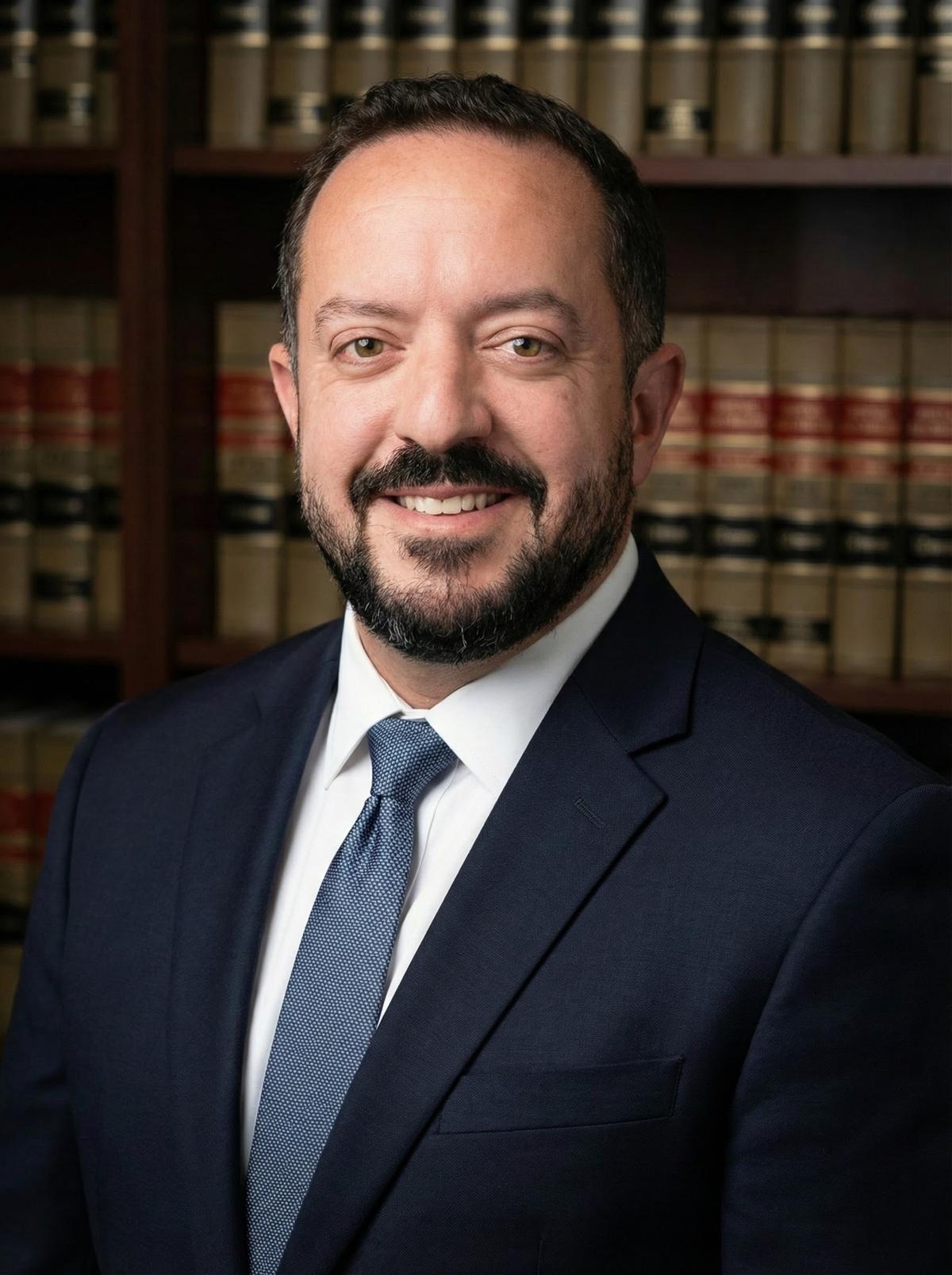
D. Colby Addison represents people harmed by serious government misconduct and litigates civil cases where credibility, institutional evidence, constitutional doctrine, and damages must fit together.
From account to legal assessment
The review moves from the client's experience to independent information, current law, likely defenses, and a realistic decision about the next step.
Share the event, injury, detention, treatment, charges, work effects, witnesses, and any continuing fear or limitation. Provide the best document or video first and identify the next scheduled date.
The firm confirms who participated, the organizations connected to them, the address, available recordings, reports, medical proof, complaints, and related proceedings. It also checks timing, immunity questions, and facts that may complicate the account.
Addison explains the claim's strengths, obstacles, unanswered questions, and practical next move. If representation is offered, the objective, responsibilities, and fees are stated in a written agreement.
Straight answers
These answers are a starting point. The right next step depends on what happened, who was involved, and when.
No. The law examines the specific right, each person's conduct, the authority being exercised, causation, injury, defenses, and available remedies. Addison evaluates the full event and supporting evidence rather than promising a claim from a label or outcome alone.
A complaint may serve one purpose, but it may not preserve video, satisfy another process, extend a legal period, or protect every claim. Save the complaint instructions and any proposed statement. Advice before submission can help protect accuracy and avoid unnecessary assumptions.
Keep original recordings, photographs, clothing, medical papers, prescriptions, report and dispatch numbers, citations, and booking or release papers. Also save witness contacts, messages, complaint receipts, wage proof, and a dated account of symptoms and consequences.
No. The address can help locate relevant people, agencies, courts, and records. A county name does not establish employment, authority, liability, immunity, or jurisdiction. Addison verifies those questions from the facts.
Prompt review is sensible because recordings can be overwritten, memories fade, and different processes use different time limits. This page gives no universal period. Bring the event date, papers, complaint history, and any pending court or response date.
Keep exploring
Bixby resources
These links give background on the places, services, and records discussed above. They do not decide what happened in a particular matter or replace advice based on the complete facts.
Begin with the encounter
Share the sequence, injuries, strongest original evidence, pending papers, and nearest important date. Addison can assess what needs preservation and investigation now.