Excessive or unnecessary force
A stop, arrest, restraint, pursuit, jail incident, or other encounter may involve force that was not justified by the circumstances. Injuries, warnings, commands, movement, video, and witness accounts can all matter.
Help after serious government misconduct
If police, jail staff, or another government official used excessive force, detained you unlawfully, denied needed care, searched without legal justification, or retaliated against protected speech, Addison can help you understand the next step.
Addison Law Firm's only office is in Oklahoma City. The firm does not maintain an office in Blanchard, McClain County, or Grady County. Tell us what happened, who was involved, and whether a date or decision is approaching; meetings may be handled remotely or arranged as appropriate.
When power has caused real harm
Government misconduct can leave you injured, frightened, embarrassed, or unsure whom to trust. We listen to the full account, test it against the law, and explain whether a civil claim may offer a meaningful response.
Problems Addison can evaluate
You may know that the encounter felt wrong without knowing the constitutional rule. These are common situations that deserve fact-specific review.
A stop, arrest, restraint, pursuit, jail incident, or other encounter may involve force that was not justified by the circumstances. Injuries, warnings, commands, movement, video, and witness accounts can all matter.
A person may question whether officers had a lawful reason to stop, arrest, hold, enter, search, or seize property. Warrants, reports, charges, dismissals, and the sequence of events deserve close review.
People in custody may face ignored medical needs, violence, unsafe conditions, or a failure to protect them from known danger. Requests for help and changes in physical condition can be important.
Protected speech, recording, protest, criticism, or a complaint may be followed by arrest, punishment, threats, or another adverse response. The content, setting, timing, and stated reason must be examined together.
How the firm approaches the case
A strong review connects what you experienced with the people, decisions, medical effects, and legal protections involved. It does not begin by assuming every bad outcome is unconstitutional.
We work through the encounter from first contact through release, treatment, charges, or later retaliation. That timeline helps reveal conflicting accounts, missing information, and the moments most important to the legal analysis.
Badges, uniforms, vehicles, facilities, supervisors, contractors, and agencies may reflect different employers or duties. We determine who made each decision and whether a government policy or institutional failure may be involved.
Physical injury, medical treatment, lost income, property loss, criminal charges, emotional harm, and damage to family life require their own proof. The claim should show what changed, not merely describe misconduct.
The available path may involve investigation, negotiation, a federal civil action, another legal process, or no viable claim. We explain the strengths, barriers, costs, and practical goal before recommending a direction.
What to do now
Do not put yourself in danger or interfere with an investigation. Focus on medical care, truthful documentation, and material you may lawfully keep.
Record dates, times, locations, names, words spoken, commands, force, restraints, requests for help, witnesses, treatment, transport, and what happened afterward. Separate what you saw from what others told you.
Save photographs, video, messages, location information, clothing, property receipts, medical papers, grievances, booking documents, citations, and envelopes. Avoid editing the only copy or posting sensitive material online.
A court date, charge, grievance period, agency response, or claim deadline may require separate action. Legal time limits vary, so let counsel review the actual paper as soon as possible.
Blanchard-area context
An incident may begin on a Blanchard street and continue through transport, booking, medical care, or a court appearance. Different officers or agencies may handle different parts. You do not need to identify every legal entity before calling; tell us what happened and where, and Addison will sort out responsibility.
If you received a citation or face a pending charge, that issue needs careful coordination with any civil-rights claim. Bring the paperwork and tell us who handles the criminal case. Addison can evaluate the civil claim without asking you to choose between legal systems on your own.
A call, stop, transport, booking, medical visit, and court appearance can involve different organizations. Keep the names, report numbers, facility information, and paperwork from each stage.
McClain or Grady County may help identify an agency or court document. The constitutional question turns on the conduct, legal authority, injury, responsibility, and available defenses.
Homes, stores, vehicles, phones, and nearby properties may capture part of an encounter. Note camera locations quickly and keep an unedited copy of anything already in your possession.
Why Addison
Civil-rights cases can be emotionally difficult and legally demanding. Addison looks for proof that can withstand challenge, explains obstacles honestly, and keeps the client's practical goals in view. The firm does not turn every unfair experience into a promised lawsuit.
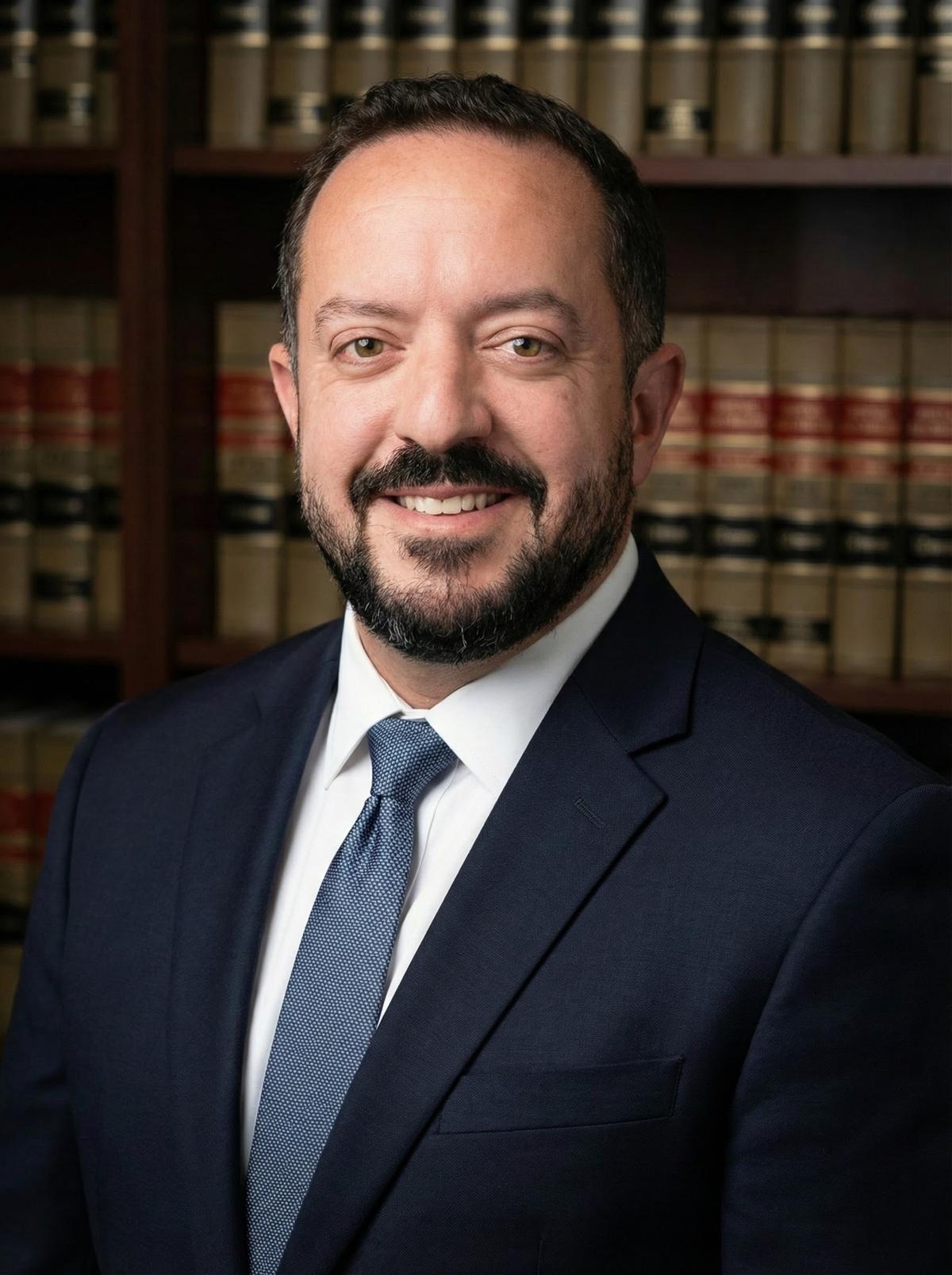
D. Colby Addison is an Oklahoma trial lawyer who represents people in serious civil-rights and civil litigation matters.
What happens after you reach out
We begin with the conduct, the protected right, the people and agencies involved, the resulting harm, and any immediate criminal or medical concern.
Tell us what happened in order, who was present, what reason was given, where you were taken, what injuries followed, and whether any charge or hearing remains open.
The firm considers the constitutional right, the conduct, responsibility, causation, injury, defenses, timing, and available process. We may ask for focused documents or additional names.
If Addison offers representation, a written agreement explains the scope, fees, and responsibilities. Investigation and legal work begin only after the engagement requirements are complete.
Straight answers
These answers are a starting point. The right next step depends on what happened, who was involved, and when.
No. A civil-rights claim generally requires more than poor judgment, rudeness, or an unfavorable result. The facts must connect government conduct to a protected federal or constitutional right and a legally recognized injury. Responsibility, causation, defenses, and the proper claim must also be evaluated.
Tell the civil-rights lawyer immediately and identify your criminal-defense lawyer. Statements, public posts, evidence requests, and civil strategy can affect an open criminal matter. The two cases should not be handled in isolation. Do not ignore a court date or rely on a civil consultation for criminal representation.
Promptly. Different claims, defendants, and procedures can carry different deadlines. Video and witness memories may also change or disappear. A web page cannot calculate the correct period for your facts. Bring the event date and every dated notice to counsel without waiting for an investigation to end.
Sometimes, but not automatically. Federal civil-rights law uses specific rules for claims against cities, counties, supervisors, and individuals. A policy, custom, training failure, decision by authorized leadership, or other institutional connection may matter. The claim must be built from facts, not from job title alone.
The fee arrangement depends on the claim, requested work, investigation, and expected litigation. Some matters may be considered for a contingency structure, while others may require a different arrangement. If Addison offers representation, the written agreement explains fees, expenses, and client responsibilities before work begins.
Keep exploring
Blanchard resources
These links can help you understand local services, government information, and public processes. They cannot decide whether you have a claim or replace advice about your situation.
Talk with a Blanchard civil-rights lawyer
Share the encounter, the people and agencies involved, the harm that followed, and any open charge or dated notice. We will begin with a focused review.