Governance and institutional authority
Leadership may need advice on constitutions, codes, resolutions, charters, delegations, policies, hearings, and departmental authority. The answer should fit the Nation's law and institutional design.
Counsel for Tribal governments and Tribal entities
Addison advises Tribal governments and Tribal entities on governance, employment, agreements, sovereignty, jurisdiction, economic activity, and disputes. The work begins with the particular Nation's law, leadership structure, and practical objective.
Addison Law Firm's only office is in Oklahoma City. The firm does not maintain an office in Blanchard, McClain County, or Grady County. Tell us what happened, who was involved, and whether a date or decision is approaching; meetings may be handled remotely or arranged as appropriate.
For authorized leaders and organizational teams
Sound advice must respect sovereign authority and work for the people implementing it. Addison helps leadership define the decision and reach a practical result.
Matters the firm can evaluate
Tribal governments and entities often seek outside counsel in these areas.
Leadership may need advice on constitutions, codes, resolutions, charters, delegations, policies, hearings, and departmental authority. The answer should fit the Nation's law and institutional design.
Addison advises Tribal organizations on policies, hiring, leave, investigations, discipline, separation, executive arrangements, and workplace disputes, beginning with the Nation's law and operational need.
Agreements may involve approval, payment, insurance, confidentiality, governing law, sovereign immunity, remedies, or termination. Each provision should support the client's governmental or business purpose.
Disputes may involve Tribal, federal, and state law, land, parties, consent, court authority, exhaustion, or contract terms. Addison helps leadership choose a position for negotiation or proceedings.
How Addison works with Tribal clients
Outside counsel should understand the client, the decision, and how the recommendation will work inside the organization.
We identify the client, authorized leadership, relevant entity, governing body, delegations, and decision-makers. Clear client identity protects communication and prevents confusion about representation.
The analysis starts with the Nation's constitution, code, charter, resolutions, policies, court rules, compact, and contracts. Another government's practice cannot replace the client's law.
A recommendation may affect administration, workforce, finance, services, leadership, and timing. We make the advice usable by the people responsible for carrying it out.
When interests conflict, we assess the legal positions, remedies, relationships, and institutional stakes. The strategy may involve corrective action, negotiation, proceedings, or a longer-term policy solution.
Before a significant decision
A focused set of governing and transaction materials is usually more useful than a large unsorted file. Preserve confidentiality and follow the organization's established communication rules.
State what leadership must decide, who requested the work, the operational goal, the source of any deadline, and the consequence of delay. Separate immediate action from longer-term policy questions.
Identify the constitution, code, resolution, charter, policy, contract, compact, court rule, prior decision, correspondence, and approval history most closely connected to the problem.
Provide the legal names of departments, enterprises, vendors, officials, employees, insurers, counterparties, and existing counsel involved. That information supports an accurate conflicts and scope review.
Blanchard-area Tribal context
A Blanchard-area agreement, workplace decision, project, or dispute may touch Chickasaw Nation law as well as federal, state, county, or city requirements. Addison helps leadership determine which rules actually govern the decision instead of treating geography as the answer.
The work remains grounded in the client’s own law and goals. We begin with the Nation or entity involved, the authority for the proposed action, and the practical result leadership needs.
A Nation, department, authority, enterprise, corporation, board, and subordinate entity may possess different powers and approval requirements. Use the precise legal name throughout the engagement.
Resolutions, delegations, codes, charters, policies, and governing-body action may identify who can request advice, negotiate, approve, sign, direct litigation, or waive a legal protection.
Each Tribal nation has its own constitution, laws, institutions, and goals. Geographic proximity or a familiar issue does not make another Nation's materials a substitute.
Why Addison
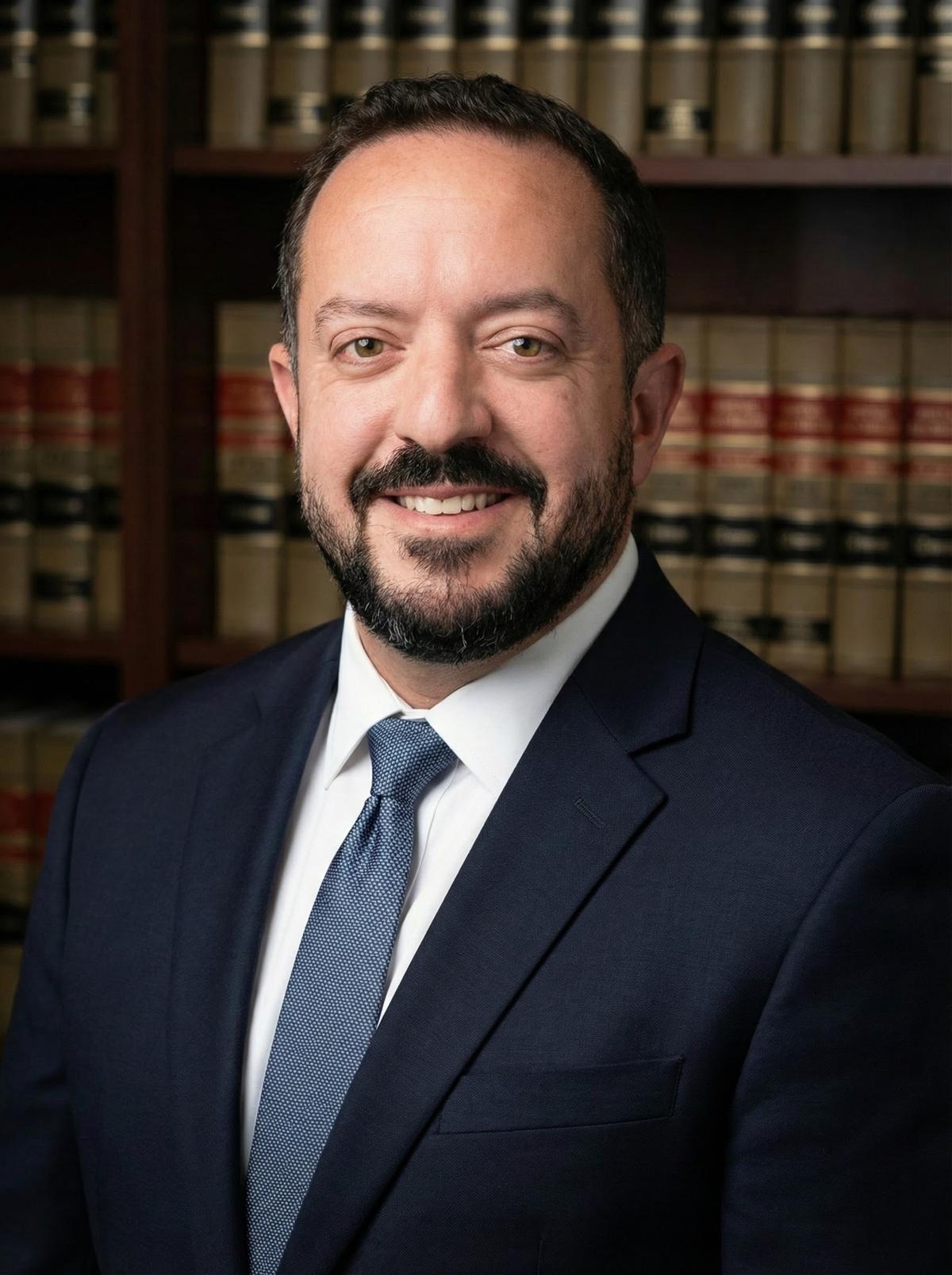
Addison combines litigation judgment with practical advice for governments and organizations. We communicate directly, respect the client's governing structure, and do not claim that a general rule or another Nation's experience answers the client's distinct question.
D. Colby Addison is an Oklahoma trial lawyer who advises Tribal governments, Tribal entities, and organizational clients in civil matters.
What happens after an inquiry
Before advice begins, the prospective client, related entities, authorized representatives, subject, requested work, and timing must be clear.
Share the prospective client, authorized contacts, related organizations, decision, timing, current counsel, and desired role. Avoid sending privileged detail until the firm confirms an appropriate communication method.
Addison reviews client identity, conflicts, authority, scope, timing, staffing, required admission, and whether the requested work matches the firm's services. Additional names or governing materials may be requested.
If the matter is accepted, a written agreement identifies the client, scope, fees, communication, and responsibilities. Legal work begins after the engagement requirements are complete.
Straight answers
These answers are a starting point. The right next step depends on what happened, who was involved, and when.
The firm can evaluate governance, workplace advice, investigations, policies, executive arrangements, contracts, business relationships, sovereignty, jurisdiction, disputes, and related civil litigation. The specific engagement depends on the client, authority, conflicts, timing, requested role, and the governing law or documents involved.
Addison advises Tribal governments and Tribal organizations on policies, investigations, discipline, leave, separation, executive agreements, and workplace disputes. The work begins with the Nation's own law, the decision leadership faces, and the practical result the organization needs.
Start with the complete draft and exhibits, proposal history, correct entity names, organizing authority, approval requirements, business goals, insurance information, and timing. Identify any requested waiver, governing-law provision, dispute process, or related agreement. Counsel may request more after the initial scope review.
Yes. Some matters involve Tribal, federal, state, county, or city law at the same time. Addison can identify which authority and agreements govern the decision and help leadership choose a practical path. The answer begins with the specific Nation, entity, and issue.
Admission and practice requirements differ among Tribal courts. A prospective matter must be reviewed for the particular court, jurisdiction, rules, licensing or sponsorship requirements, conflicts, and scope. Addison does not claim admission everywhere. Appearance requirements are addressed before any court representation is offered.
Keep exploring
Blanchard resources
These links can help you understand local services, government information, and public processes. They cannot decide whether you have a claim or replace advice about your situation.
Talk with Tribal government counsel
Authorized leadership can share the prospective client, related entities, issue, timing, and requested role. Addison will begin with conflicts and scope.