A motor-vehicle collision
Keep the map pin, direction, lane, vehicle positions, damage, report, insurance exchange, witnesses, tow information, and original photographs. Tell providers when symptoms began and how they affect activity.
Clinton counsel after a serious injury
An injury can affect movement, work, transportation, sleep, caregiving, and finances. Tell Addison what happened, where care began, and how ordinary life changed. Scene and insurance questions can be traced from there.
Addison Law Firm's office is in Oklahoma City. The firm serves Clinton-area clients by phone, video, or arrangement.
For the injured person and the people helping at home
Pain, restrictions, appointments, missed work, household help, transportation, and uncertainty can reshape a family's routine. Addison can organize the investigation while the person receiving care keeps an accurate account of treatment and day-to-day change.
Injury settings that require a complete scene record
The address, responder, clinic, or road label does not establish who controlled the scene or who kept every record. Preserve what you can see and receive before drawing conclusions about responsibility.
Keep the map pin, direction, lane, vehicle positions, damage, report, insurance exchange, witnesses, tow information, and original photographs. Tell providers when symptoms began and how they affect activity.
Safely photograph the approach, surface, lighting, warnings, obstruction, weather, and surrounding area. Keep incident papers, witness names, video details, property communications, and the footwear or item involved.
Record the site, task, equipment, ownership marks, supervisors, contractors, instructions, witnesses, and reports. Keep lawful work and benefit papers without assuming one organization controlled every part.
Keep treatment, benefit, wage, bill, travel, replacement-service, and funeral records. Add a factual account of changed family roles, activities, care, and support without trying to value the loss yourself.
How Addison develops the injury record
A useful case record joins the source of harm with symptoms, treatment, work interruption, expenses, and changes other people can observe. Addison can pursue missing evidence while keeping the injured person's experience central.
Coordinates, photographs, measurements, weather, lighting, warnings, marks, debris, equipment, witnesses, reports, ownership clues, inspection records, and nearby cameras can show what existed at the time.
Emergency instructions, charts, native images, referrals, prescriptions, therapy, restrictions, symptom reports, and appointment history should connect clearly to dates and providers.
Bills, benefit explanations, wage records, leave, mileage, replacement services, damaged property, photographs, and a factual activity record show consequences that a diagnosis code may not capture.
Ownership, occupation, maintenance, contracting, employment, insurance, product, vehicle, and government records may point to different people or organizations. Addison verifies those roles from documents and event-date facts.
What to do while recovery is new
Prompt care and an honest recovery record are more useful than a perfect narrative. Avoid changing original media or guessing about facts you do not yet know.
Describe when symptoms began, attend recommended appointments, follow restrictions, and keep instructions, referrals, prescriptions, diagnostic images, and provider contact information.
Keep original photographs, video, witness details, reports, vehicle or property information, insurance exchanges, claim correspondence, estimates, receipts, and damaged items when safe.
Record appointments, symptoms, sleep, medication effects, mobility, work, driving, caregiving, household tasks, and activities. Use dates and concrete observations rather than conclusions.
Clinton scenes require precise location work
The Custer County map identifies Interstate 40, United States Highway 183, state routes, county roads, frontage roads, and Clinton streets. It expressly says road placement does not show maintenance responsibility. Preserve coordinates, direction, interchange or intersection, lane, shoulder, entrance, and surrounding signs.
The Oklahoma Department of Transportation publishes a specific Interstate 40 bridge project near Clinton. A project page can identify a defined transportation activity. It does not establish who controlled every nearby surface, vehicle, contractor, warning, record, or event.
Care may involve the Clinton Indian Health Center, the Custer County Health Department, hospitals, clinics, therapists, imaging providers, pharmacies, or other facilities. Keep complete records and delivery details from each provider because one chart rarely contains the entire recovery.
Capture the approach, travel direction, traffic controls, property entrance, surface, lighting, warnings, weather, and nearby businesses or cameras. Keep the original files.
Save discharge instructions, referrals, imaging, prescriptions, therapy notes, restrictions, bills, and benefit explanations. Track requests and receipt dates by provider.
Note missed shifts, reduced duties, leave, transportation, childcare, household help, sleep, mobility, recreation, and activities that became harder or stopped.
Keep leases, receipts, inspection tags, contractor names, vehicle registrations, equipment labels, correspondence, and incident papers without assuming any clue proves control.
Why Addison
Addison investigates injury matters with attention to medical needs, work, family responsibilities, transportation, and financial strain. Accepted clients receive direct advice about proof, uncertainty, costs, choices, and major decisions.
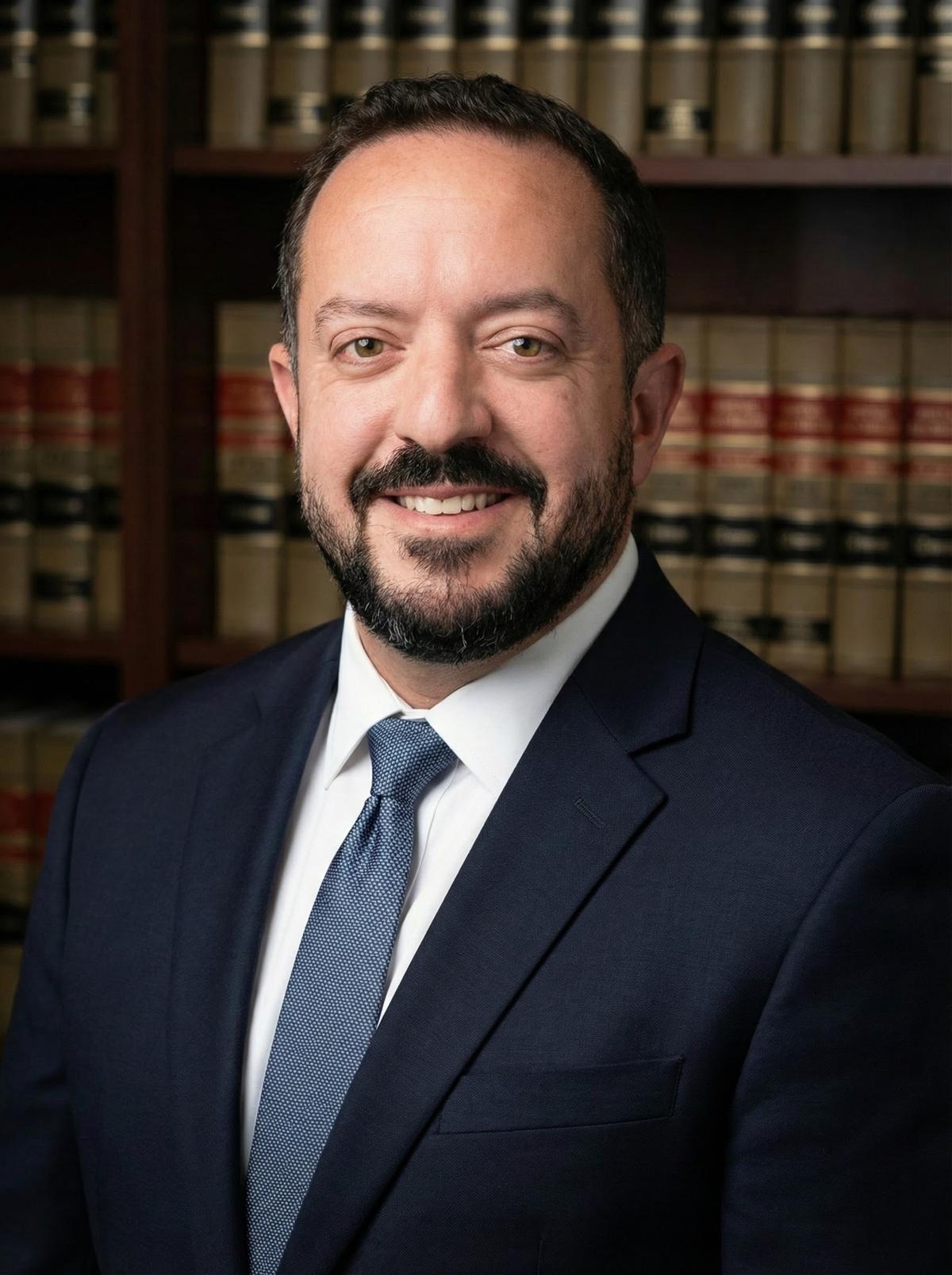
D. Colby Addison represents injured Oklahoma people and families in serious collision, premises, worksite, insurance, and wrongful-death matters.
How the injury work develops
Scene evidence can disappear while treatment continues for months. Addison develops both tracks, then connects responsibility and causation to the client's actual losses and practical goals.
Record coordinates, conditions, movements, equipment, warnings, witnesses, reports, responding organizations, cameras, and the first symptoms or treatment.
Organize provider records, native images, restrictions, prescriptions, bills, benefit papers, wages, travel, household help, and a factual activity history by date.
Addison reviews event-date control, parties, insurance, causation, defenses, liens, damages, related proceedings, current timing rules, and practical recovery choices.
Straight answers
These answers are a starting point. The right next step depends on what happened, who was involved, and when.
Keep original scene media, the exact location, witness details, reports, insurance exchanges, treatment instructions, provider records, bills, wage papers, receipts, and a dated account of recovery.
No. The official Custer County map says road placement does not establish maintenance responsibility. Exact coordinates, event date, road features, project records, contracts, and agency documents may be needed.
Not necessarily. Evidence may change while care continues. A lawyer can discuss preservation and insurance communications while the medical course and long-term effects remain uncertain.
Use dated, concrete observations about sleep, walking, lifting, driving, work, caregiving, household tasks, recreation, and medication effects. Keep the account accurate and avoid exaggeration.
No. Responsibility, medical evidence, recovery, work effects, insurance, liens, comparative fault, damages law, and the available proof all require matter-specific review.
Keep exploring
Clinton resources
These links give background on the offices, records, roads, and legal materials discussed above. They cannot answer a specific legal question without the complete facts.
Bring the scene and recovery story
Share the exact place, original photographs, known names, treatment history, work effects, expenses, insurance papers, and the next decision requiring attention.