Interstate and highway collisions
For an Elk City-area crash, record the route, direction, mile or intersection, lane, weather, and final positions.
Truck-crash help for Elk City
Addison represents people and families after serious commercial-vehicle crashes. A prompt review can identify the precise corridor, tractor and trailer, driver, companies, trip records, electronic data, insurance, and medical needs. Preserve original scene media and equipment identifiers without delaying appropriate care.
Addison Law Firm's office is in Oklahoma City. The firm serves Elk City-area clients by phone, video, or arrangement.
For people injured by commercial vehicles
A family may be managing hospitalization, lost transportation, missed income, and insurer calls while companies control important records. Addison explains what evidence is being sought and connects the legal investigation to treatment and household losses.
Commercial crashes Addison investigates
A commercial crash may involve the tractor, trailer, load, dispatch, maintenance, leasing, property access, and insurance relationships. Start with the scene and visible identifiers, then follow the records.
For an Elk City-area crash, record the route, direction, mile or intersection, lane, weather, and final positions.
A tractor-trailer entering, leaving, backing, or crossing at a business or private approach may create sight-line, warning, access, property, and camera questions. Photograph the full approach and nearby signs.
Brakes, tires, lights, coupling systems, securement, steering, and other equipment may require inspection and service records. Preserve photographs, broken parts when lawfully available, tow location, and repair information.
The size and force of a commercial vehicle can produce permanent injury or death. Immediate work should respect the family's medical, funeral, employment, insurance, and practical needs while protecting evidence.
How Addison develops a truck-crash case
Commercial evidence is distributed across people, vehicles, companies, devices, regulators, service vendors, and properties. Addison identifies the likely sources, sends focused preservation demands where appropriate, and compares those records with physical evidence, witnesses, medical proof, and the client's account.
Coordinates, road, direction, lane, interchange or entrance, traffic controls, lighting, weather, marks, debris, final positions, work signs, witnesses, and original photographs anchor the investigation.
Plates, unit numbers, United States Department of Transportation numbers, logos, placards, cargo seals, shipping papers, site tickets, driver exchange, tow records, and insurance information help trace relationships.
Electronic logs, engine events, telematics, dash cameras, dispatch, routes, delivery records, qualification files, inspections, maintenance, cargo papers, broker messages, and access data may be stored separately.
Emergency care, imaging, referrals, restrictions, therapy, wage records, expenses, assistance, and changes in daily function can document the medical and financial consequences over time.
While commercial data is still available
The injured person should not chase companies while recovering. Save what is readily available, avoid destructive changes, and let focused legal work address the wider commercial evidence.
Report symptoms and their timing accurately, follow restrictions, keep referrals and prescriptions, and explain any gap in treatment rather than allowing the record to remain silent.
Retain photographs, video, witness contacts, report number, driver exchange, commercial identifiers, damaged property, tow location, and any nearby-camera information you already know.
Keep calls, voice mails, texts, emails, letters, claim numbers, statement requests, authorizations, offers, and deadlines from carriers, insurers, investigators, and service vendors.
Elk City commercial corridors
Official materials distinguish Interstate 40, Interstate 40 Business, State Highway 6, United States Highway 283, State Highway 34, County roads, City streets, airport access, and private approaches around Beckham County. The route name alone does not establish who responded or maintained the crash location.
Oklahoma Department of Transportation lists an Elk City Interstate unit, but that listing does not answer control of a particular segment or work area. Police, Sheriff, State, transportation, carrier, property, tow, repair, and private-camera records may require separate requests tied to the exact scene.
Save the route, mile or intersection, direction, lane, interchange or entrance, nearby business, work signs, map pin, and photographs facing both travel directions.
Capture the tractor and trailer plates, unit numbers, company names, United States Department of Transportation number, placards, cargo details, damage, and insurance exchange.
Write down where each vehicle, trailer, load, damaged item, and personal property went. Preserve tow tickets, inventories, photographs, repair estimates, and release communications.
List the driver employer, carrier, tractor owner, trailer owner, lessee, broker, shipper, loader, maintenance vendor, property operator, tow company, and insurer when known.
Why Addison
Addison develops truck-crash matters with attention to the companies and data without losing sight of the client's medical recovery and family obligations. Accepted clients receive direct explanations of evidence, insurance, treatment documentation, and major decisions. The firm makes no promise before the records support a conclusion.
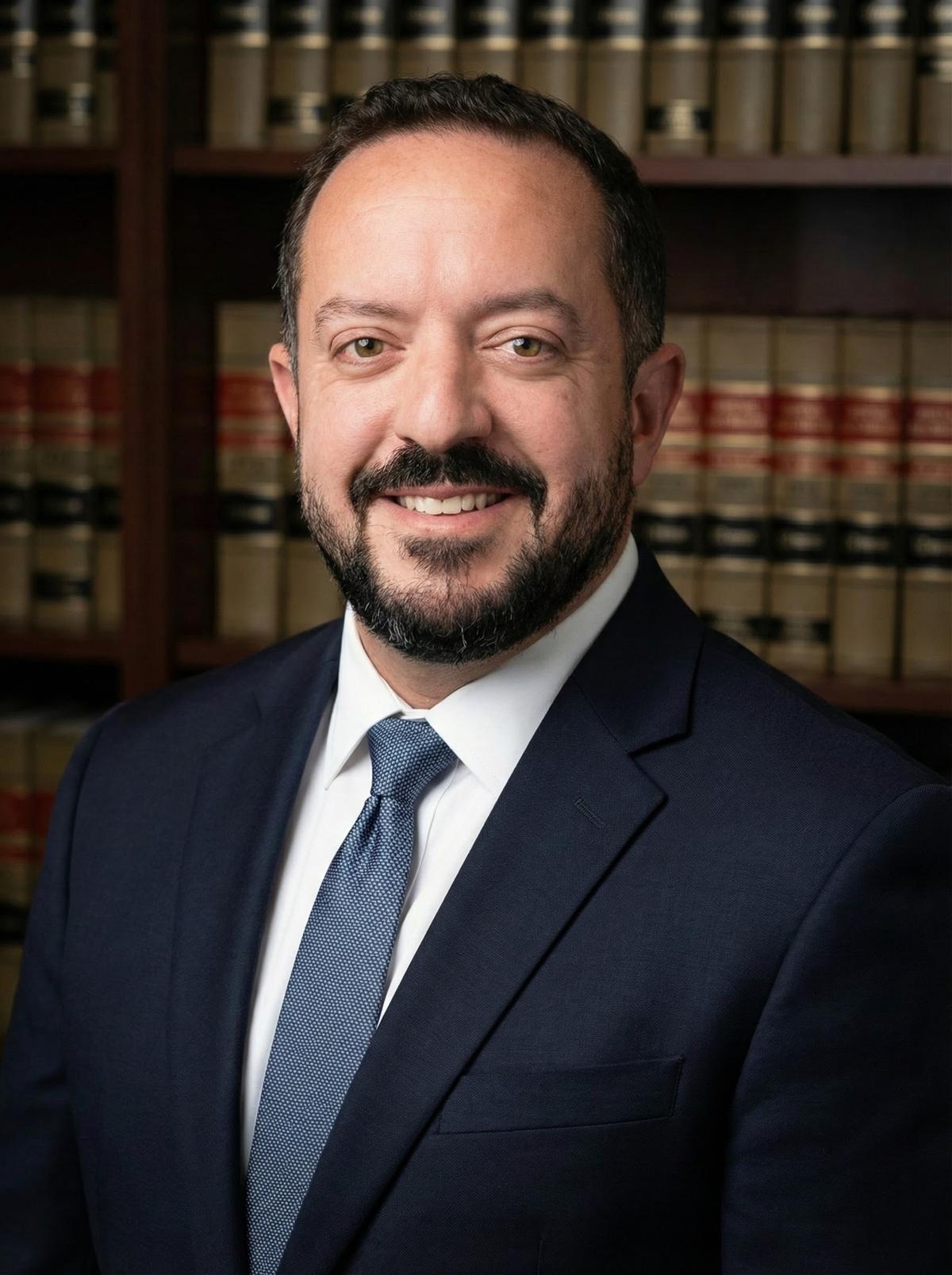
D. Colby Addison represents Oklahoma people and families in substantial commercial-vehicle injury matters.
From corridor evidence to recovery decisions
The precise location, vehicle and company details, original media, treatment, insurer contact, and immediate dates provide a dependable beginning for both investigation and recovery planning.
Share the date, exact place, report number, vehicle identifiers, treatment, work effect, insurance contact, and the next family decision causing pressure.
Addison investigates the driver, equipment, companies, route, data, witnesses, property access, maintenance, cargo relationships, insurance, and medical connection.
The firm explains evidence, insurer communication, treatment, income, expenses, and likely disputes. Any offered representation, fee, and responsibility is defined in writing.
Straight answers
These answers are a starting point. The right next step depends on what happened, who was involved, and when.
The trip may involve several businesses and specialized records concerning the driver, tractor, trailer, load, dispatch, route, maintenance, service vendors, property access, and insurance.
Keep plates, unit numbers, company names, United States Department of Transportation number, placards, cargo details, driver exchange, insurance, report number, tow location, and original media.
No. It can help identify a company and support research, but it must be matched to the correct driver, vehicle, trip, date, scene evidence, relationships, and conduct.
Electronic logs, engine and event data, telematics, cameras, dispatch, routes, inspections, maintenance, cargo, broker, access, tow, and repair records may follow different retention practices.
Complete medical records, imaging, restrictions, rehabilitation, opinions, wage information, expenses, household changes, photographs, and a factual recovery history can show long-term consequences.
Keep exploring
Elk City resources
These links give background on the offices, records, roads, and legal materials discussed above. They cannot answer a specific legal question without the complete facts.
Preserve the commercial trip record
Share the corridor, report, equipment identifiers, company and cargo information, original media, treatment, insurer contact, income effect, and next date. Addison can identify focused preservation priorities.