Force followed by significant injury
Strikes, restraints, weapons, vehicle contact, falls, or delayed care may leave lasting harm. Prompt treatment, photographs, witness accounts, and original media can preserve the sequence.
Civil-rights help for Kingfisher
Addison evaluates serious harm involving force, search, detention, retaliation, or unsafe treatment in custody. Share the sequence, the person or agency involved, the injury or loss, and any open proceeding. Preserve the clearest original recording, paper, or photograph before routine systems replace it.
Addison Law Firm's office is in Oklahoma City. The firm serves Kingfisher-area clients by phone, video, or arrangement.
For people and families
Pain, fear, a court date, and missing work can make the story hard to organize. Addison starts with the client's own memory and the immediate consequence. Additional questions follow the proof instead of forcing every event into a legal label on day one.
Encounters the firm evaluates
A troubling encounter does not establish a claim by itself. The inquiry considers what each person did, the authority asserted, the evidence available, and the concrete injury that followed. Any citation, charge, grievance, or hearing must be understood alongside the civil issue.
Strikes, restraints, weapons, vehicle contact, falls, or delayed care may leave lasting harm. Prompt treatment, photographs, witness accounts, and original media can preserve the sequence.
A home, vehicle, phone, money, or personal item may be searched, taken, retained, or damaged. Keep warrants, inventories, receipts, photographs, and every return request.
Booking, housing, protection requests, medication, examination, transfer, and release can involve different people and records. Note names, times, requests, responses, and changes in condition.
Recording, criticizing, petitioning, reporting misconduct, or refusing a demand may be followed by adverse treatment. Preserve the words used and the order in which events occurred.
How Addison develops the case
Civil-rights work often begins with several incomplete accounts. Addison compares the client's chronology with recordings, reports, court papers, medical material, and witness information. Early conflicts are identified so time and investigation remain focused on details that could change the answer.
The timeline tracks commands, responses, searches, force, restraint, transport, requests for care, release, and later contact. Unknown names stay unknown until reliable material supplies them.
Body-camera video, dispatch audio, jail recordings, vehicle systems, messages, and nearby cameras may follow different retention practices. Each item should be described with useful detail.
Medical care, symptoms, counseling, missed work, expenses, damaged property, and family observations can show how life changed. Keep dates and original supporting material together.
Citations, charges, grievances, hearings, or appeals can affect what happens next. Provide complete papers, current conditions, lawyer information, and the next scheduled date.
Before memory or recordings change
You do not need to confront anyone or investigate the system alone. Secure appropriate care and keep the reliable material already within reach.
Report symptoms and timing accurately. Keep discharge papers, referrals, prescriptions, restrictions, photographs, and a short explanation for any delay or gap in treatment.
Keep names, badge or unit numbers, vehicle markings, report numbers, witness contacts, property receipts, facility information, and the last known location of anything taken.
Record the stated reason, commands, response, search, force, restraint, transport, care, release, and later communication. Mark details learned from someone else or remembered only approximately.
Kingfisher records are not one system
Kingfisher Police and the Kingfisher County Sheriff's functions are described by separate governments. Save the report heading, badge or vehicle markings, booking material, and exact location before assuming who employed someone.
The Municipal Court Clerk and Kingfisher County Court Clerk also maintain different records. A complete caption and case number can prevent a familiar building or place name from sending the inquiry in the wrong direction.
Save the address or map pin, room, entrance, vehicle, direction, and nearby marker. Those details may connect the event to witnesses, recordings, dispatch, and medical response.
Retain the original phone video, photograph, audio, message export, and cloud copy. Work from duplicates when making notes so dates and file information remain intact.
Group each report, booking record, complaint, citation, and court paper by its heading. Similar addresses do not mean the documents came from the same system.
Flag hearings, reporting requirements, bond terms, grievance steps, medical appointments, and requests for a statement. Immediate obligations may shape the advice given today.
Why Addison
Addison evaluates civil-rights matters with attention to the person harmed and the proof needed to explain the encounter. Accepted cases receive direct preparation for the disputes the evidence is likely to create. Difficult facts and uncertainty are addressed early instead of covered with confident language.
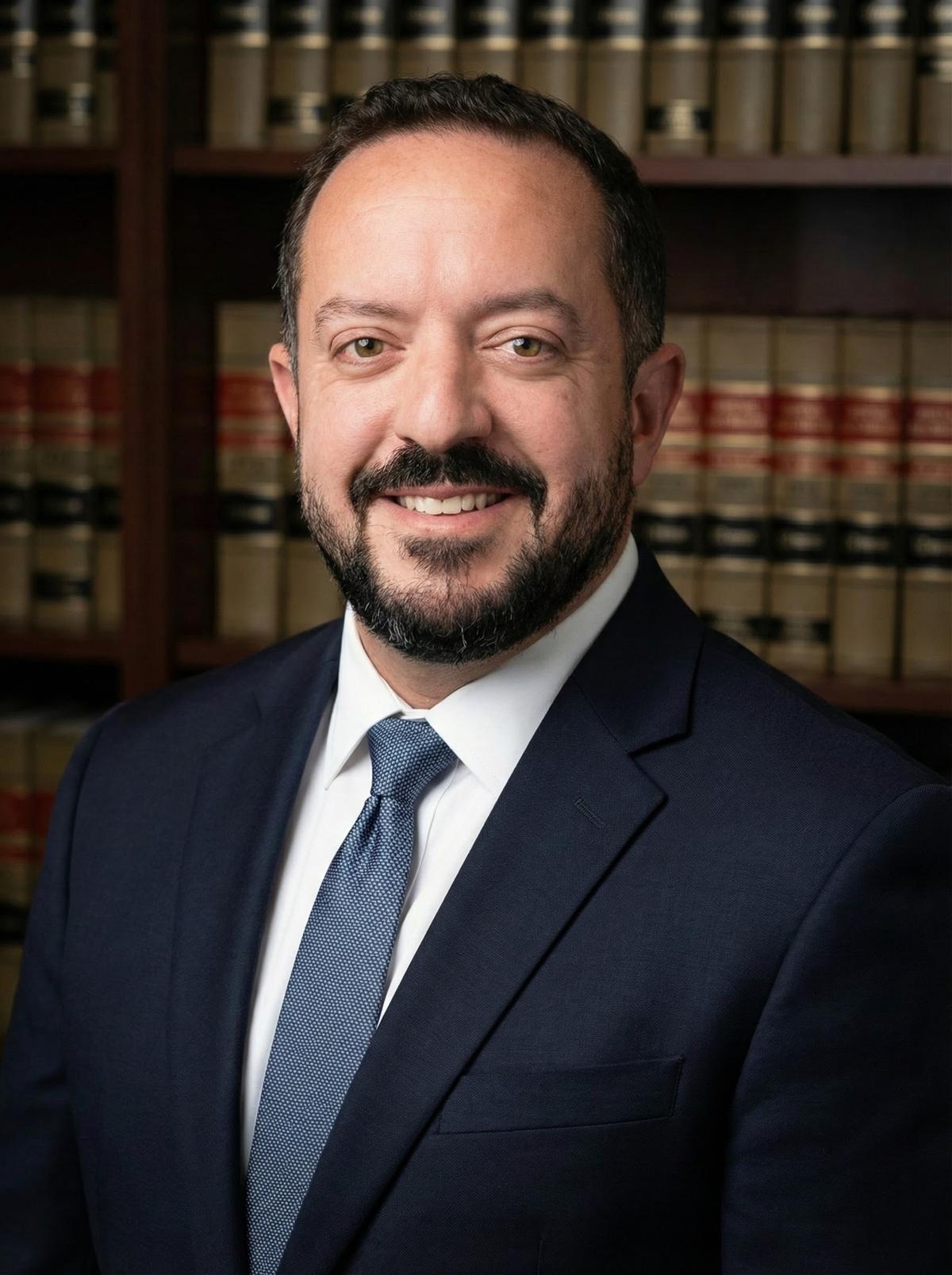
D. Colby Addison represents Oklahoma people in substantial civil-rights and constitutional disputes.
What the opening review should accomplish
The first discussion should identify the present injury, any connected proceeding, the strongest original evidence, missing material, and the next practical or legal date.
Begin with the reason given for the encounter and continue through release, treatment, and later contact. Say plainly which details remain uncertain.
Addison examines available media, papers, witness information, medical proof, and related cases. The comparison identifies focused follow-up worth pursuing.
The firm explains important strengths, gaps, timing concerns, and whether representation may be offered. Any engagement and fee terms are stated in writing.
Straight answers
These answers are a starting point. The right next step depends on what happened, who was involved, and when.
Keep original media, report and property numbers, receipts, names or unit markings, witness contacts, medical papers, court documents, and a dated account of the sequence.
Do not assume it will. City, County, detention, dispatch, court, medical, and private camera material may be stored separately. Describe each requested item as precisely as possible.
No. A complaint records what was reported. A legal claim requires separate analysis of the conduct, personal participation, injury, proof, possible remedies, timing, and related proceedings.
Yes, immediately. Provide complete papers, lawyer information, current conditions, hearing dates, and status. Civil advice should account for any proceeding that could affect it.
Share clothing, badge or unit numbers, vehicle markings, location, shift, report headings, commands, and conduct. Reliable investigation can supply names; guessing creates needless problems.
Keep exploring
Kingfisher resources
These links provide background on the institutions and records discussed above. They do not decide a particular matter or replace advice based on the complete facts.
Put the sequence before the labels
Share the place, present injury, related case information, original media, and next date. Addison can identify which facts need attention and whether a focused civil-rights evaluation should continue. The first conversation should reduce confusion, protect useful proof, and leave you with a realistic next move.