Excessive force
Force during a stop, arrest, transport, event, or detention may violate the law when it is unreasonable. Commands, movement, resistance, restraint, injuries, and the surrounding moments matter.
Civil-rights help in Midwest City
If serious police or other government misconduct harmed you, Addison can examine the encounter, test it against available proof, and explain whether a civil-rights claim may be worth pursuing.
Addison Law Firm's office is in Oklahoma City. The firm serves Midwest City-area clients and can meet by phone, video, or arrangement.
For people harmed by government misconduct
Tell the story from first contact through release, treatment, or court. The words used, actions, location, injuries, witnesses, papers, and what followed provide the starting point.
Conduct that may deserve a closer look
A frightening or unfair encounter is not automatically unlawful. These situations can deserve closer review when the conduct was unreasonable and caused real harm.
Force during a stop, arrest, transport, event, or detention may violate the law when it is unreasonable. Commands, movement, resistance, restraint, injuries, and the surrounding moments matter.
An arrest without adequate grounds, a serious identification mistake, or detention after its basis disappears may warrant investigation. Citations, booking papers, release records, video, and later court events clarify the timeline.
Ignored medical needs, dangerous conditions, assault, medication failures, or other mistreatment in custody can cause grave harm. Requests for help, visible symptoms, and what personnel knew require proof.
A search, seizure, threat, charge, or other response may raise concerns when unsupported or meant to punish protected speech, reporting, protest, or recording. The reason and timing matter.
How Addison approaches civil-rights cases
Civil-rights cases draw strong defenses. Addison compares the account with the proof, identifies important decisions, and evaluates the legal standard and resulting harm.
The firm studies original media, medical care, reports, booking or release papers, witnesses, and later proceedings. Gaps and contradictions are examined directly rather than ignored.
An encounter may move through transport, detention, medical care, or court. Addison works out who controlled each stage and what proof connects a decision to the challenged conduct.
The claim must show real consequences. Injury, lost liberty, delayed treatment, emotional harm, missed work, expenses, and effects on family life need credible support.
Government defendants may dispute the account, deny responsibility, assert immunity, or blame another cause. Addison prepares the evidence and legal theory with those challenges in view.
What to do now
Simple, lawful steps can strengthen the record without turning you into your own investigator.
Explain honestly how the injury occurred and follow reasonable treatment instructions. Keep discharge papers, referrals, prescriptions, photographs of changing injuries, and notes showing any request for care that was delayed or refused.
Keep video, photographs, messages, citations, property receipts, booking documents, complaint confirmations, and witness information in their original form. Do not crop, annotate, overwrite, or publicly post the key files.
Record what happened before, during, and after the encounter while your memory is fresh. Include exact words, commands, injuries, witnesses, transport, treatment, release, and later contact. Mark anything you learned from someone else.
Midwest City civil-rights context
A Midwest City incident can begin on a street, near Interstate 40, at a campus or large facility, in a public building, or during a traffic stop. It may continue through transport, booking, medical care, or court. Write down each location, name, badge, vehicle marking, and identifying detail without guessing which organization was involved.
Video and reports may also be spread out. A body camera, patrol vehicle, fixed camera, nearby business, dispatch system, or medical facility may each hold a different piece. You do not need to send a stack of requests before calling. Identify what may exist and let counsel help decide which preservation steps make sense.
If the encounter happened on or near a campus, public building, or large facility, save names, badges, uniforms, vehicle markings, the exact location, and every paper you received. Addison can sort out which organization was involved.
The place people use to describe an incident may not identify who employed the person involved. Save the exact property, name, badge, vehicle, and paperwork instead of trying to make that determination yourself.
If a criminal matter remains open, keep every court date and follow the advice of criminal-defense counsel. Tell Addison about the case so any civil review is planned carefully and does not interfere with the defense.
Why Addison for civil rights
Addison represents people in substantial civil cases involving government conduct and powerful institutions. The firm investigates difficult facts, gives candid advice about legal and practical risk, and prepares accepted cases for determined opposition.
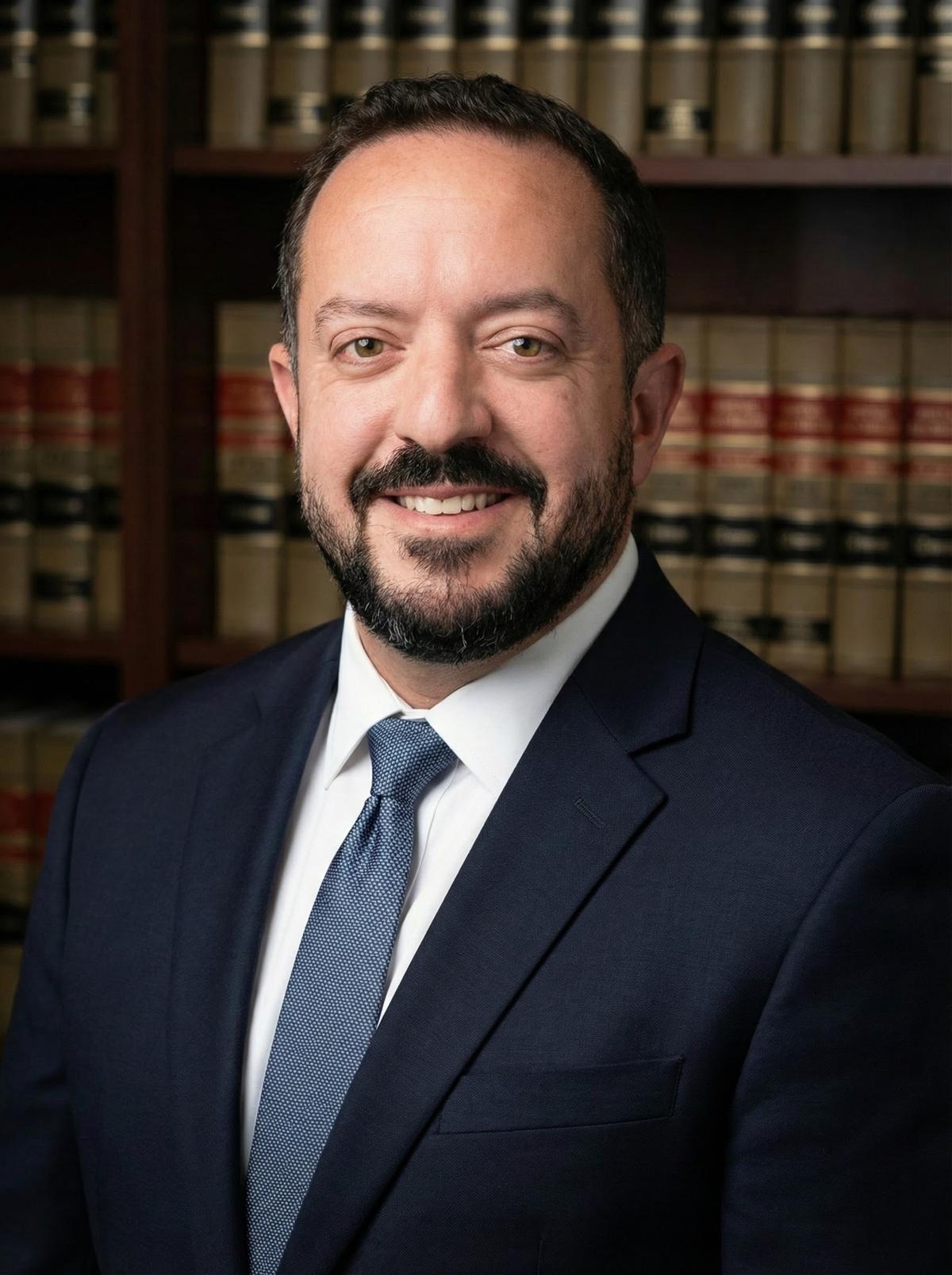
D. Colby Addison is an Oklahoma trial lawyer whose practice includes civil-rights claims, serious injury litigation, employment disputes, and complex matters involving public entities.
The civil-rights review
The review starts with your account and then tests it against the evidence that can reasonably be found.
Explain why contact began, what each person said or did, when force or restraint occurred, how long you were held, what injuries followed, and whether any charge, complaint, or treatment remains open.
Addison identifies the most useful reports, media, medical records, witness accounts, and later proceedings. The goal is to understand both what supports the account and what a defendant is likely to challenge.
The firm considers who may be legally responsible, which protections and defenses apply, what harm can be proved, and whether litigation is a sound path. The recommendation is tied to the actual record.
Straight answers
These answers are a starting point. The right next step depends on what happened, who was involved, and when.
Keep original video and photographs, reports, citations, booking or release papers, property receipts, medical records, complaint confirmations, and witness contact information. Write down badge numbers, vehicle markings, exact locations, words used, and the sequence while the details remain fresh.
Do not assume that it does. A departmental complaint may serve a different purpose from preserving evidence or pursuing a civil claim. Keep proof of what you submitted and when, and seek advice promptly about any other step that may matter.
Share the exact location and all identifying details. The people involved may work for different organizations even when they appear at the same place. A badge, patch, vehicle, report heading, work identification, or building name can help clarify the relationships.
The two matters may affect each other, so coordination is important. Keep all criminal court dates and work with criminal-defense counsel. Tell Addison about pending charges, statements, discovery, release conditions, and hearings before taking steps in a civil matter.
Reach out as soon as reasonably possible. Video and other records can be overwritten, memories change, and different legal paths can use different deadlines. A prompt review can identify sensible preservation steps without promising that a claim exists.
Keep exploring
Midwest City resources
These links provide background for the local details discussed above. They cannot decide a particular matter or replace advice based on your circumstances.
Discuss a civil-rights concern
Share the location, sequence, injuries, people involved, and any report or video you have. Addison can help you understand what deserves attention next.