Excessive force
Force during a stop, arrest, transport, protest, or detention may require review. The complete sequence matters, including commands, responses, perceived threats, restraint, injuries, and what happened immediately afterward.
Civil-rights help for Moore-area people
Addison reviews serious harm involving police force, detention, searches, retaliation, jail conditions, or denied medical care. The firm examines the full sequence, available proof, and law before advising whether a civil-rights case may be possible.
Addison Law Firm's office is in Oklahoma City. The firm serves Moore-area clients and can meet by phone, video, or arrangement.
For people harmed by government conduct
Describe what happened from the first contact through release, medical care, or later consequences. Addison can identify the legal questions without expecting you to name the right claim first.
Civil-rights concerns Addison evaluates
A frightening or unfair encounter is not automatically a lawsuit. These situations can raise important questions when the conduct was unreasonable and caused meaningful harm.
Force during a stop, arrest, transport, protest, or detention may require review. The complete sequence matters, including commands, responses, perceived threats, restraint, injuries, and what happened immediately afterward.
An arrest without adequate support, a major identification error, or confinement that continued after its basis changed may warrant investigation. Citations, booking papers, release documents, and later case events help establish timing.
Ignored medical needs, medication failures, assault risks, dangerous conditions, or other mistreatment can cause severe harm. Records showing symptoms, requests, staff responses, transfers, and treatment may be important.
A search, seizure, threat, charge, discipline, or other response may require legal attention when it lacked lawful support or followed protected reporting, protest, speech, or complaint activity.
How Addison approaches civil-rights work
Civil-rights cases demand precision. Addison studies who did what, what each person knew, what proof remains, how the harm developed, and which legal standards may apply.
The firm organizes the contact, commands, movement, force, restraint, detention, transport, care, release, and later proceedings. That timeline separates direct observations from assumptions or secondhand reports.
Possible evidence includes personal recordings, photographs, witness accounts, reports, dispatch information, body or vehicle video, booking material, medical records, messages, and nearby private video.
Addison examines each person's role, employer, decisions, and direct involvement. Claims against an individual and claims involving a government body can require different facts and legal analysis.
Physical injury, loss of freedom, medical expense, lost income, emotional effects, family disruption, and later legal consequences may matter. Each claimed loss should be supported honestly.
What you can do now
The goal is a reliable record of what you experienced, not a polished legal argument.
Record times, locations, words, movements, commands, responses, force, restraint, care, release, and later contact. Mark what you saw personally and what someone else told you.
Preserve full photographs, video, audio, messages, and documents. Avoid cropping, captions, filters, forwarded copies, public posting, or changes that could obscure dates and context.
Note names, badges, departments, vehicles, supervisors, medical personnel, facility staff, witnesses, and private security. It is fine to write unknown where a detail is uncertain.
A citation, hearing, complaint response, criminal matter, or other date may affect strategy. Share every paper promptly instead of assuming one process pauses another.
Moore-area civil-rights context
An encounter near Moore may involve city police, county personnel, another department, detention staff, medical workers, private security, or several groups. Keep names, badges, uniforms, vehicles, and paperwork without guessing who employed each person.
Reports, complaints, medical care, and court papers can develop on different timelines. Preserve proof of every submission and response. Addison can determine which information matters without asking you to navigate each system alone.
Your phone, a patrol vehicle, a body camera, a business, a residence, a transport vehicle, or a facility may capture different parts of the event.
Keep photographs, emergency records, prescriptions, follow-up care, and notes about symptoms. Tell providers plainly how the injury happened and what changed afterward.
Save what you submitted and any confirmation received. Do not assume one complaint, records request, or internal response protects every other right or preserves every recording.
Why Addison for civil-rights work
Addison approaches civil-rights litigation with a trial lawyer's focus on sequence, proof, credibility, legal standards, defenses, and real injury. The firm gives candid advice when the evidence presents difficult questions.
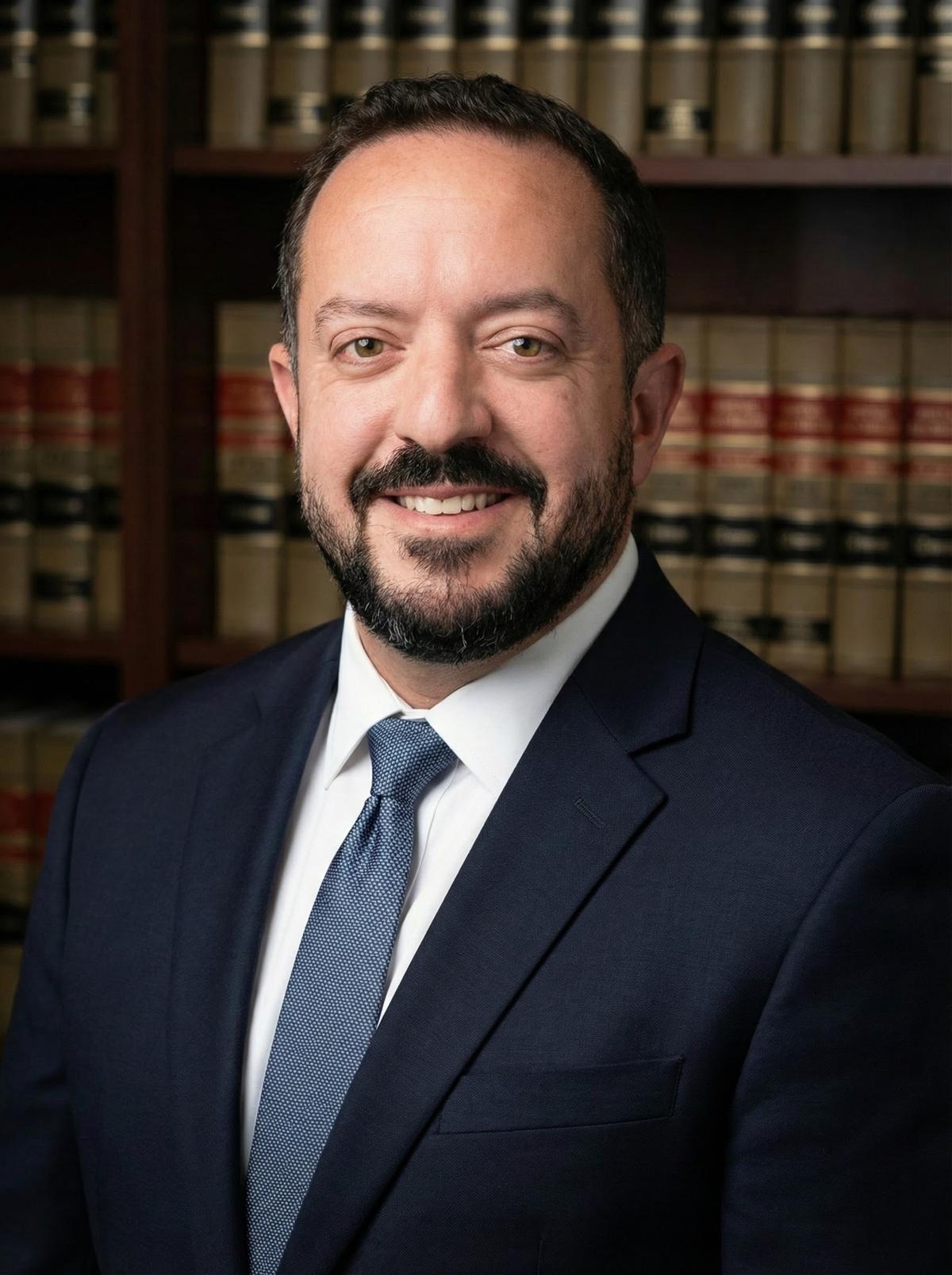
D. Colby Addison is an Oklahoma trial lawyer whose civil practice includes constitutional claims, serious injuries, employment disputes, and complex litigation.
The civil-rights review
You can begin with an honest account and the records you already have. The firm will identify the important gaps.
Explain why the contact began, what each person did, what you did, when force or restraint occurred, how long detention lasted, and what happened later.
Share original media, witness information, reports, court papers, medical records, complaint material, and messages. Also identify recordings or people you believe may exist but cannot access.
Addison explains which facts may support a claim, which questions remain, and what immediate step makes sense. Any offered representation and fee arrangement is confirmed in writing.
Straight answers
These answers are a starting point. The right next step depends on what happened, who was involved, and when.
Keep original photographs, video, audio, messages, witness contacts, reports, citations, booking and release papers, complaint confirmations, and medical records. Write down names, badges, vehicles, locations, times, words used, and each step from contact through release.
Not by itself. A policy may help explain expected procedures or identify useful records, but the legal question depends on the actual conduct, circumstances, harm, and governing law. Preserve the version connected to the event if available.
That is common. Preserve badge numbers, uniforms, marked vehicles, unit numbers, report headers, dispatch references, photographs, and descriptions. Later records may help identify people and roles, but do not guess or publicly accuse someone based on appearance alone.
Do not assume it does. A complaint can create a useful record, but it may not preserve video, satisfy another legal process, or extend a filing period. Keep proof of submission and response, then seek matter-specific advice promptly.
Tell the firm immediately and provide every citation, bond paper, notice, and court date. Statements or litigation choices in one matter can affect another. Do not ignore the pending case while considering a civil claim.
Keep exploring
Moore resources
These links provide background for the limited local details above. They cannot decide a particular matter or replace advice based on your circumstances.
Discuss a Moore civil-rights concern
Share the sequence, harm, papers, and original media you have. Addison can identify the important questions and explain the next useful step.