A stop or detention escalated
Write the stated reason, commands, consent, search area, restraint, duration, transport, citation or release, property, injuries, witnesses, and location. Keep papers and original recordings.
Accountability begins with the encounter
Force, search, detention, denied care, retaliation, or property loss can leave several records and different stories. Addison helps clients reconstruct the sequence, find independent proof, and evaluate a responsible path.
Addison Law Firm's only office is in Oklahoma City. The firm serves Mustang-area clients by phone, video, or arrangement.
For people harmed by claimed public power
A badge, vehicle, dispatch call, booking location, contractor shirt, or joint scene does not establish employment or authority. Record names, ranks, markings, claimed authority, report headings, facility roles, and each person's conduct.
Serious encounters leave evidence across systems
Begin with the client's experience. Then locate material that may confirm time, place, identity, commands, movement, restraint, force, condition, care, property handling, and later explanations. Keep uncertainty visible instead of filling gaps with agency labels.
Write the stated reason, commands, consent, search area, restraint, duration, transport, citation or release, property, injuries, witnesses, and location. Keep papers and original recordings.
Describe movement and force without exaggeration. Preserve scene media, dated photographs, emergency records, charts, diagnostic images, restrictions, bills, missed work, and care messages.
Retain intake screening, help requests, names and shifts, medication, symptoms, movement records, and housing or watch details. Add transport, discharge papers, grievances, responses, and outside medical care.
Save the complaint, delivery proof, recipients, witnesses, and response. Add later contacts, access changes, citations, discipline, public statements, work effects, property consequences, and any stated reason.
A record-based accountability review
A civil-rights evaluation requires more than choosing a story. Addison links each participant to proof and compares accounts against timestamps and physical evidence. Related proceedings inform recommendations to accepted clients.
Combine the client's account with dispatch, reports, citations, booking papers, medical timestamps, device records, cameras, vehicle locations, witnesses, and travel details. Preserve conflicts rather than forcing one timeline.
Use badge numbers, payroll or assignments, directories, contracts, report signatures, markings, facility records, policies, and claimed authority. A shared scene does not merge City, County, State, federal, tribal, contractor, or private roles.
Describe each body-camera segment, dash camera, dispatch, jail video, access log, phone file, private camera, evidence item, and metadata set separately. A broad request may not reach every system.
Organize treatment, symptoms, prior relevant health, work loss, expenses, property, criminal or municipal papers, complaints, and dates. Advice should account for effects on another ongoing matter.
What to do while details remain fresh
Obtain medical help and follow restrictions. Avoid public arguments about incomplete facts. Save original files, write the sequence privately, and keep papers from related criminal, municipal, disciplinary, or complaint processes.
Describe lead-up, first contact, commands, search, restraint, force, transport, custody, treatment, property, citation or release, and later contacts. Identify witnesses and separate memory from later information.
Note body and dash cameras, dispatch, jail or facility video, businesses, doorbells, traffic cameras, phone files, bystander media, and portals. Include each time range and location.
Collect citations, complaints, bonds, orders, hearing notices, discovery papers, attorney communications, grievance deadlines, and evidence receipts. Tell each lawyer about connected matters before making a statement that may affect both.
Mustang and County records remain separate
Mustang Police, the City Clerk, a City court clerk, Canadian County Sheriff, and County court offices may hold different material. Contractors, providers, and camera owners may hold other parts. Save report headers, badges, vehicles, facilities, dispatch references, and exact address before requesting records.
Mustang's published information separates City functions and contracted public works. A current contractor is not automatically connected to an earlier encounter. Event-date schedules, assignments, agreements, work orders, and communications can show who performed a function.
Canadian County lies in the Western District of Oklahoma, but geography does not create a federal claim. Conduct, person, legal relationship, asserted authority, injury, remedy, and procedural history require separate current-law analysis.
Write badges, names, ranks, uniforms, vehicle units, plates, report numbers, radio references, facilities, shifts, and exact words. When lawful, photograph the item showing each identifier.
Keep original video, audio, photographs, messages, cloud links, upload notices, and available metadata. Save the conversation and file-delivery context rather than relying only on an edited clip or screenshot.
Collect ambulance, emergency, hospital, imaging, pharmacy, follow-up, therapy, and specialist records with bills and restrictions. Add dated photographs and factual symptoms without rewriting earlier entries.
A report request, complaint, grievance, evidence request, preservation notice, citation case, and civil action may have different recipients and consequences. Keep each submission, receipt, response, and date.
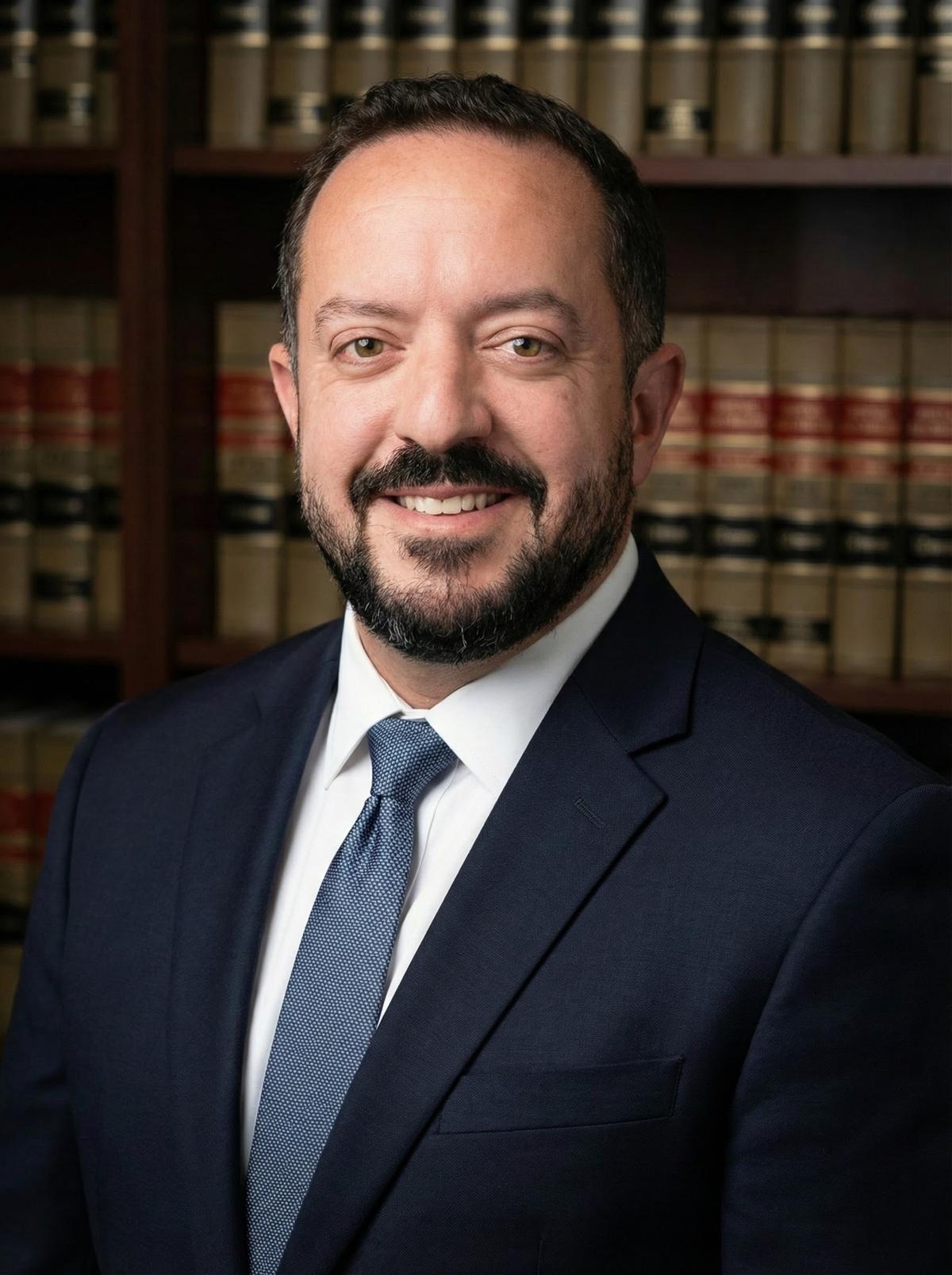
Careful work in a disputed setting
People often seek help after feeling powerless or disbelieved. Addison begins with the client's account and tests it against recordings, documents, medical evidence, witnesses, physical details, verified roles, and other explanations. Accepted clients receive advice about proof, defenses, cost, risk, and realistic relief.
D. Colby Addison handles serious Oklahoma civil disputes involving public power, contested events, significant injury, and institutional defenses.
From account to tested chronology
Review develops one chronology while preserving disagreements and unknowns. Medical care, related charges, complaints, work consequences, and disappearing recordings are coordinated without assuming one track answers every question.
Explain what led to contact, every command and response, and any search or restraint. Add force, transport, custody, medical response, property handling, release, charging decisions, and continuing effects.
Use timestamps, reports, dispatch, badges, vehicle numbers, booking papers, and medical records. Cameras, access logs, witnesses, and device files can confirm or challenge the sequence.
Advice considers verified conduct, relationships, policies, injury, causation, defenses, relief, related proceedings, and client priorities. Representation begins only through a written engagement describing the work.
Straight answers
These answers are a starting point. The right next step depends on what happened, who was involved, and when.
Provide names, badge numbers, rank, uniform, vehicle, report signature, dispatch reference, facility role, employer clues, and exact words used. Keep the original paper, photograph, recording, or message supporting each detail.
Do not assume it does. A complaint, records request, grievance, preservation notice, and court filing can reach different people and systems. Describe each recording, likely system, time range, location, and participant separately.
Keep complete citations, complaints, bonds, orders, hearing notices, attorney communications, evidence papers, and dates. Tell each lawyer about the other matter before giving a statement or taking a step that could affect both.
Seek appropriate care and describe symptoms accurately. Preserve complete charts, diagnostic images, prescriptions, restrictions, counseling records, photographs, wage information, and expenses. Add a dated factual account of changes in sleep, mobility, work, and family life.
Timing depends on the parties, conduct, legal theory, notice rules, procedural steps, and connected proceedings. Keep every dated item and obtain prompt advice about the specific facts instead of relying on a general online deadline.
Keep exploring
Mustang and official resources
These links identify public offices, transportation references, and primary legal materials. The right document still depends on the event, date, organization, person, and precise place.
Begin with sequence and original files
Share the place, chronology, known identifiers, unedited media, reports, medical care, complaint history, related proceedings, and next date. Those details support a focused accountability review.