In-custody death
A family may need answers about medical care, monitoring, housing, force, emergency response, transport, autopsy findings, or events leading to the death. Each stage of custody may involve different people and information.
Help after serious harm in custody
If you or someone you love suffered a death, medical crisis, assault, suicide attempt, or severe use of force at the Oklahoma County Detention Center, Addison Law Firm can investigate what happened and explain the possible civil-rights claims.
Addison Law Firm's only office is at 1332 SW 89th Street in Oklahoma City. Tell us what happened, who was involved, and whether a date or decision is approaching; no result is promised.
For injured people and worried families
Families are often given fragments after a jail emergency. The person in custody may have seen only part of what occurred. We help assemble the timeline, understand who made the critical decisions, and evaluate whether preventable harm resulted from unconstitutional conduct.
Claims we investigate
A difficult jail stay is not automatically a civil-rights case. We focus on grave injuries and deaths where staff knowledge, response, force, supervision, medical care, or safety decisions may support legal accountability.
A family may need answers about medical care, monitoring, housing, force, emergency response, transport, autopsy findings, or events leading to the death. Each stage of custody may involve different people and information.
Serious symptoms, medication needs, withdrawal, injury, infection, pregnancy, or mental-health crises can worsen when requests are ignored or treatment is delayed. What staff knew and how they responded are central questions.
Screening answers, prior warnings, observation levels, housing decisions, medication, welfare checks, and the response to an emergency may show whether a known risk received an adequate response.
Claims may arise from excessive force by staff or a failure to respond to a known threat from another person. Video, injury evidence, classifications, complaints, witnesses, and timing can help explain what happened.
How the investigation works
Jail cases are rarely explained by one report. Addison connects the person’s medical needs, requests for help, treatment, and staff response, then evaluates whether preventable misconduct caused the harm.
We trace the person’s condition, requests for help, housing, staff response, medical care, and emergency events so delays and missing explanations become clear.
We compare the symptoms and known risks with the care actually provided, including any outside hospital or emergency treatment.
We separate the roles of detention staff, medical providers, supervisors, and contractors, then ask what each knew and did.
When Addison accepts the case, we develop the claims and the full human loss for negotiation or court. We do not reduce a family tragedy to a generic allegation.
What families can do now
You do not need a complete jail file before asking for help. Gather the information already available to you and protect the person's health and safety first.
If the person remains in custody and faces an immediate danger, use available emergency, legal, and facility channels. Record whom you contacted, when, what you reported, and any response.
Save calls, letters, messages, emails, complaint confirmations, medical requests, photographs, release papers, hospital information, and names of people who witnessed the condition or asked for help.
Note symptoms, requests, missed medication, threats, housing moves, uses of force, outside treatment, and what staff or family members were told. Mark secondhand information clearly.
About the Oklahoma County facility
If someone is still in the Oklahoma County Detention Center and faces an immediate medical or safety threat, say that at the beginning of the call. If the person has died or suffered catastrophic harm, tell us when the family learned about it and what explanation was given.
Families often receive pieces of the story from the jail, an arresting agency, a hospital, or the medical examiner. You do not need to know which office has every answer before contacting a lawyer.
Use any available emergency or facility channel and keep a note of whom you contacted and when. A legal review does not replace an urgent medical or safety request.
Save the hospital name, dates, family contacts, and any paperwork or explanation received. The first goal is to understand the person’s condition and timeline.
Police may control what happened during the arrest; detention staff and medical providers may control what happened later. Tell us the sequence as you understand it.
Why families call Addison
Addison Law Firm handles serious civil-rights and wrongful-death matters involving detention facilities and government officials. We understand that the client may be grieving, injured, incarcerated, or afraid of retaliation. The investigation should respect that reality.
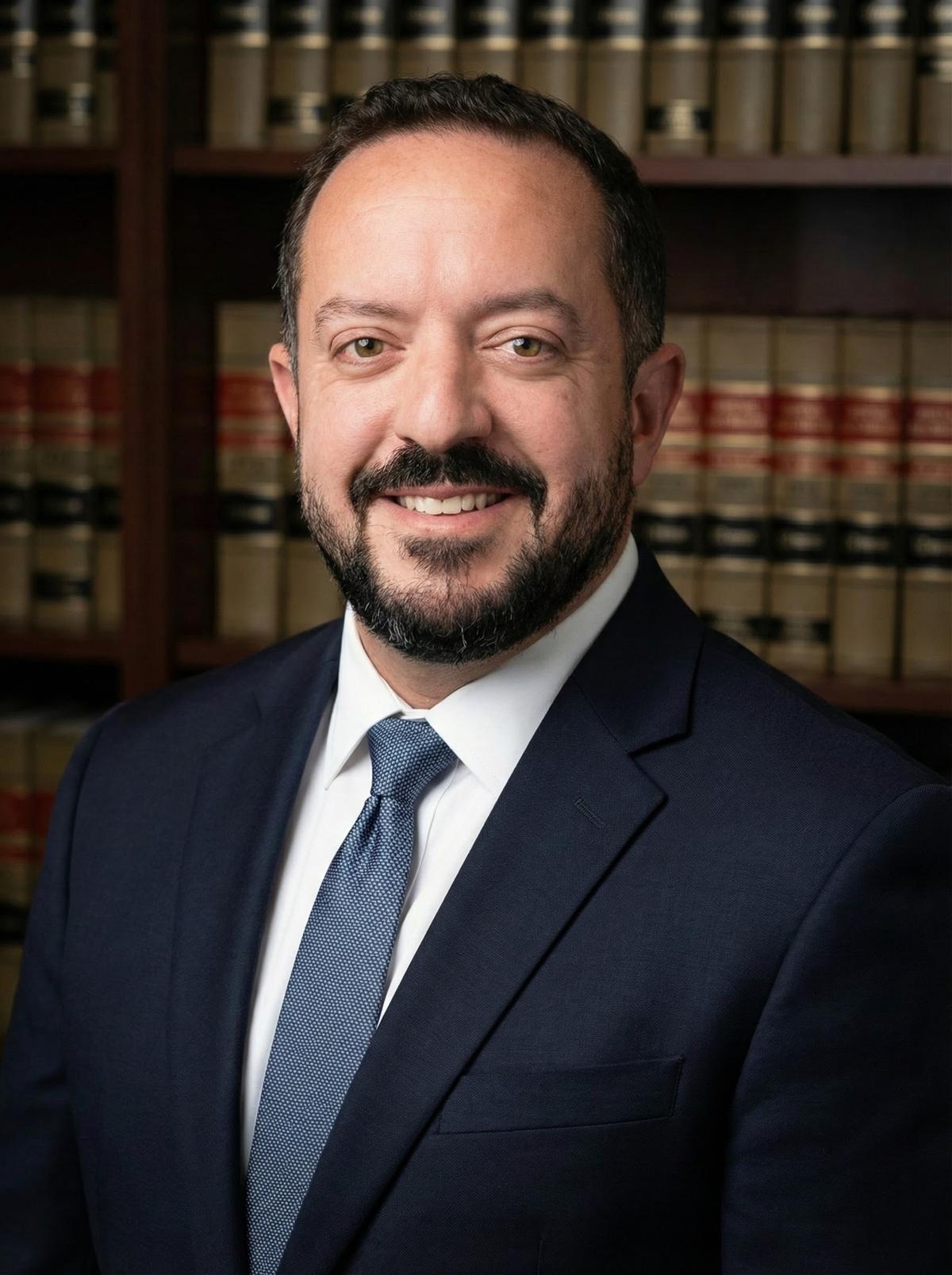
D. Colby Addison handles civil-rights, serious-injury, and wrongful-death matters in Oklahoma.
What happens when you call
We do not expect you to arrive with every name or document. The first review is designed to identify the urgent questions and decide whether a deeper investigation is appropriate.
Tell us who was held, when the emergency or injury occurred, what family members know, the current medical status, and whether a criminal or probate matter is pending.
We assess the harm, what staff knew, how they responded, what remains unexplained, and whether the matter warrants a deeper investigation.
If Addison offers representation, we discuss scope, fees, communication, and immediate priorities. If more information is needed first, we identify it as clearly as possible.
Straight answers
These answers are a starting point. The right next step depends on what happened, who was involved, and when.
Yes. Families often receive incomplete explanations from different agencies and medical providers. Access to some information can depend on the family member’s legal authority. A lawyer can help the appropriate representative understand what happened without assuming that one report tells the whole story.
That can warrant review when the medical need was serious and the evidence shows what particular people knew and how they responded. The outcome alone does not establish a constitutional violation. Requests, witness accounts, calls, medical findings, video, and the timing of care can help answer those questions.
Possibly. Tell us whether the concern is immediate medical danger, threatened violence, retaliation, a recent use of force, or harm that has already occurred. We can give you a direct answer and explain what urgent steps may need to happen outside a civil claim.
The answer depends on the person's custody status, the claim, and the relief sought. Grievance papers can be important evidence, but no general webpage can decide whether a specific exhaustion rule applies. Keep every submission and response, and discuss the issue promptly with counsel.
Prompt advice is useful after a death, medical crisis, severe injury, suicide attempt, or serious force incident. Some video and routine data can change quickly, and legal deadlines vary. You can call while the family is still gathering information. Do not delay emergency care or immediate safety requests to collect documents.
Keep exploring
Oklahoma City resources
Use these official links to learn about local offices and processes. They cannot tell you whether you have a claim or what you should do next.
A confidential place to begin
If a jail death, medical emergency, assault, or serious force incident has left you searching for answers, contact Addison. We can listen carefully and explain the most useful next step.