Rear-end, turning, and merging crashes
A heavy vehicle may leave little margin for a driver ahead or beside it. Speed, following distance, blind areas, attention, traffic controls, and stopping distance can all require close analysis.
Truck-crash help for Owasso
Addison represents people seriously hurt by tractor-trailers, delivery vehicles, work trucks, and other commercial traffic. The early investigation protects scene proof, vehicle information, electronic data, medical needs, and the family's ability to withstand insurance pressure.
Addison Law Firm's office is in Oklahoma City. The firm serves Owasso-area clients and can meet by phone, video, or arrangement.
Counsel for injured people and families
Pain, treatment, missed work, transportation loss, and caregiving demands arrive immediately. At the same time, vehicles move and digital systems keep cycling. Addison handles the commercial investigation while the client concentrates on health and stability.
Commercial collisions Addison considers
Truck cases differ in size, ownership, cargo, equipment, work purpose, and available information. Addison begins with the collision and harm, then follows the evidence to each important decision.
A heavy vehicle may leave little margin for a driver ahead or beside it. Speed, following distance, blind areas, attention, traffic controls, and stopping distance can all require close analysis.
Work demands, hours, rest, dispatch messages, navigation, phone activity, delivery windows, and route changes may explain why a driver missed a hazard or made a rushed choice.
Brakes, tires, lights, steering, coupling, and required inspections may show whether a preventable equipment condition contributed to the impact or made its consequences worse.
Unsafe loading, poor securement, difficult site access, hurried yard movement, or a dangerous entrance can create risks beyond ordinary driving and point to additional commercial decisions.
How Addison builds the claim
The collision leaves information at the scene, inside the vehicles, across commercial systems, and throughout the medical record. Addison develops those streams together.
Original photographs, marks, debris, damage, witness accounts, weather, sight lines, traffic signals, work conditions, and nearby cameras help explain speed, position, reaction, and avoidability.
Addison uses ownership papers, trip records, contracts, dispatch communications, cargo documents, maintenance material, and testimony to determine who controlled the driver, equipment, load, or work.
Electronic logs, engine events, telematics, cameras, route history, inspection files, repair records, phone data, and site access may be kept in different systems with different retention periods.
Medical treatment, imaging, restrictions, lost income, household help, vehicle loss, insurance communications, and day-to-day limitations show what the crash means beyond the damaged vehicles.
Immediately after a serious truck crash
Medical care and safety come first. Once those needs are addressed, preserve the simple information already available before vehicles, cargo, and digital files change.
Describe symptoms accurately, follow reasonable instructions, and keep discharge papers, referrals, prescriptions, restrictions, and appointments. Some crash injuries become clearer after the first hours or days.
Keep original photographs and video showing positions, damage, marks, debris, lighting, signals, weather, cargo, road conditions, nearby businesses, and visible cameras. Do not alter timestamps or metadata.
Collect driver, witness, officer, vehicle, trailer, tow, and insurance information when safe. Avoid a confrontation or detailed recorded statement while the evidence and injuries remain unsettled.
Commercial traffic through Owasso
Highway 169 and connecting streets carry commuters, deliveries, work vehicles, and freight through the Owasso area. After a major impact, the urgent concerns are treatment, safe transportation, income, and keeping the household functioning.
The crash may fall in Tulsa County or Rogers County, and a report may identify Owasso Police or another public agency. You do not need to identify the controlling City or county road office or every trucking business. Bring the map pin, report, truck markings, photographs, and insurance messages. Addison will do that work.
Save photographs of names, unit numbers, plates, trailer markings, and any United States Department of Transportation number. Report and tow details are useful, but missing identifiers should not delay an inquiry.
Never return to moving traffic or approach equipment to gather proof. Preserve what was safely captured. Addison can continue the investigation without asking you to enter a dangerous scene.
A request for a recorded statement, broad medical release, vehicle inspection, or settlement may come before the injury is understood. Ask for written communication and seek advice before closing the claim.
Why Addison
Addison treats the case as both a severe human injury and a commercial proof problem. Accepted matters are prepared for difficult questions about vehicle movement, business control, safety choices, causation, insurance, and future loss.
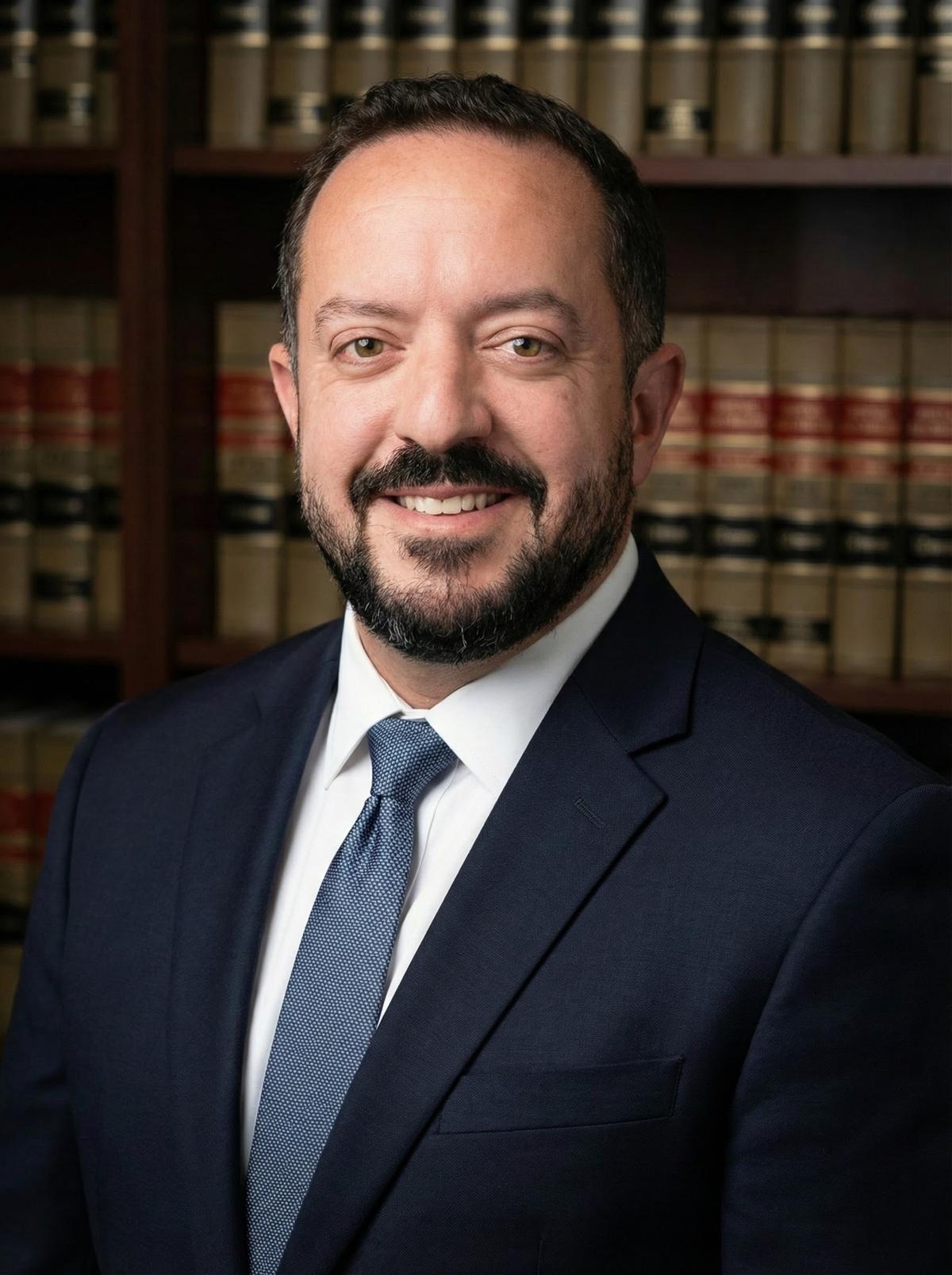
D. Colby Addison represents Oklahomans in substantial commercial-vehicle cases and prepares layered trucking claims for negotiation and trial.
From impact to informed strategy
Road evidence, commercial information, electronic data, medical progress, and insurance communications are built together without losing sight of the client's recovery.
Share the place, movement, vehicles, report, first treatment, current symptoms, and strongest original images. Include visible tractor and trailer details even if you do not understand them.
The firm examines ownership, work relationships, trip and cargo material, logs, cameras, dispatch, maintenance, witnesses, physical proof, medical information, and available insurance.
Addison explains the leading theory, missing proof, likely challenges, and whether representation may be offered. Any experts, scope, fees, and client responsibilities are addressed directly.
Straight answers
These answers are a starting point. The right next step depends on what happened, who was involved, and when.
Preserve original scene media, report and witness information, tractor and trailer markings, company names, tow details, medical papers, wage records, repair material, and every insurance communication. Keep damaged property as directed.
The scene changes, vehicles can be repaired, and business or electronic information may be overwritten during ordinary operations. Early review identifies what deserves preservation while treatment continues.
No. Public federal information may help identify a motor carrier and provide background, but it does not prove fault in one collision. Scene, vehicle, witness, commercial, and medical evidence still matter.
Possible material includes electronic logs, engine and event data, telematics, dash cameras, dispatch, route history, inspection records, maintenance records, phone activity, and site-access information. Availability varies.
First confirm whom the person represents and request questions in writing. You may owe duties to your own insurer, but a detailed statement requires care while injuries and commercial relationships remain unclear.
Keep exploring
Owasso resources
These links provide background on the places, services, and records discussed above. They do not decide what happened in a particular matter or replace advice based on the complete facts.
Start with the moment of impact
Share the location, report, visible truck information, strongest images, medical needs, and insurance contacts. Addison can begin sorting the urgent questions.