Governance and institutional authority
Support for constitutions, codes, charters, resolutions, delegations, meeting procedure, records, elections, board questions, interbranch concerns, and decisions that require a clear source of authority.
Counsel for Tribal governments and Tribal entities
Addison advises Tribal governments and Tribal entities on governance, personnel, agreements, economic activity, public services, jurisdictional questions, and significant disputes. The work begins with authorized leadership and the governing documents.
Addison Law Firm's only office is in Oklahoma City. The firm serves Pauls Valley-area clients by phone, video, or arrangement.
For authorized Tribal leadership
The objective may be a sound vote, a fair personnel process, a workable agreement, a protected governmental function, or a defensible response to litigation. Counsel should understand the authority, operations, relationships, and consequences behind that objective.
Matters requiring organizational judgment
Each assignment starts with the client entity, authorized decision-makers, governing law, relevant instruments, and practical goal. Geography alone does not supply any of those facts.
Support for constitutions, codes, charters, resolutions, delegations, meeting procedure, records, elections, board questions, interbranch concerns, and decisions that require a clear source of authority.
Advice on policies, leave, complaints, investigations, discipline, appointments, supervision, separation, documentation, and respectful implementation within the organization's actual legal structure.
Review and negotiation of commercial terms, procurement, development, financing, services, leases, licenses, insurance, dispute provisions, approvals, and agreements with governmental or private counterparties.
Analysis of parties, land and entity status, governing instruments, immunity, waiver, exhaustion, service, law, remedies, and forums in litigation or before conflict becomes litigation.
Counsel built around governmental reality
Addison works with authorized leaders to understand the institution's objective, identify the governing record, test risks, and turn the chosen course into documents and actions the organization can use.
Identify the precise government, entity, enterprise, board, office, or instrument involved. Confirm who may instruct counsel, make the decision, approve terms, sign, receive advice, and carry out the result.
Gather constitutions, codes, charters, resolutions, policies, delegations, contracts, minutes, notices, licenses, waivers, land material, court papers, and prior decisions in their complete and current form.
Explain authority, procedural needs, litigation exposure, operational burden, cost, timing, relationships, and available remedies. Leadership should understand both legal risk and the effect on the institution's work.
Draft the resolution, agreement, notice, policy, instruction, filing, or implementation record. Assign responsibility, verify approvals, preserve privilege where applicable, and prepare for follow-through or dispute.
Before leadership acts
A prompt organizational review begins with the precise client, authorized decision-makers, governing documents, proposed action, desired outcome, operational constraints, and any meeting, notice, filing, or response date.
Locate the constitutional, code, charter, resolution, policy, contract, delegation, or prior action that supports the proposed step. Preserve the complete current version and any required approvals.
Explain what leadership wants to accomplish, which governmental service or operation is affected, what relationships matter, and what delay or conflict would cost the organization.
List notice, meeting, vote, consultation, signature, filing, funding, record, communication, and operational tasks. Assign an authorized owner and completion evidence for each one.
Pauls Valley context without geographic assumptions
Chickasaw Nation publishes a Pauls Valley Area Office for identified services, while its governmental seat and Judicial Department are in Ada. Those facts do not establish the client, land status, citizenship, entity ownership, governing law, immunity, waiver, jurisdiction, or forum for a particular matter.
Pauls Valley City, Garvin County, State, federal, Bureau, Nation, enterprise, employer, contractor, and private systems remain distinct. Use exact legal names, charters, ownership records, contracts, delegations, and source-specific law rather than a shared location or service relationship.
When land or forum matters, start with coordinates or a legal description, deeds and trust material, the precise parties, key governing documents, complete court papers, and the relief sought. A general map cannot replace those records.
Use the full legal name of the government, department, authority, enterprise, corporation, board, or other entity. Confirm ownership and legal form from governing records.
Identify the authorized leaders, representatives, and decision process. Keep personal interests, political roles, constituent concerns, and the organizational client's interests distinct.
Retain enacted codes, amended policies, signed contracts, adopted resolutions, minutes, notices, exhibits, service proof, and later changes with their effective dates.
Use legal descriptions, title or trust material, governing instruments, pleadings, orders, service records, and current law. Do not infer jurisdiction from Pauls Valley geography.
Tribal representation is institutional work
Addison's Tribal practice centers the governmental or entity client's authority, objectives, duties, and long-term relationships. Advice is candid about unsettled law, procedural choices, litigation risk, cost, and the practical work required to implement a decision.
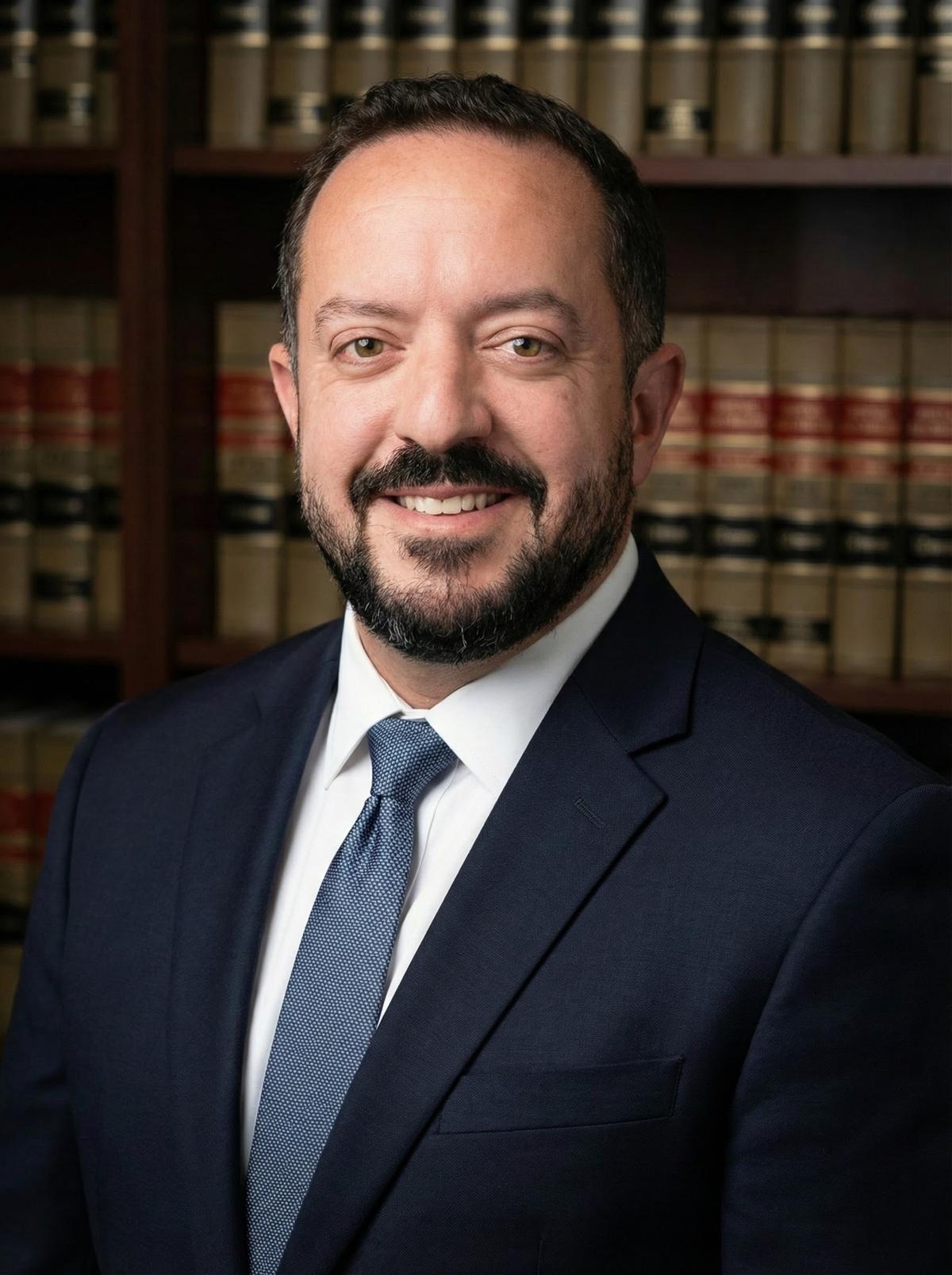
D. Colby Addison advises Tribal governments and Tribal entities. His experience includes service in Tribal judicial office and counsel on governance, employment, commercial, and litigation matters.
From leadership question to durable action
The engagement begins by confirming the organizational client and authorized leadership. Counsel then assembles the governing record, identifies choices, tests consequences, documents the decision, and supports the people responsible for carrying it out.
Identify the precise entity, authorized contacts, decision body, source of authority, requested advice, desired result, affected operations, and timing. Address representation and privilege questions at the outset.
Compare governing law, instruments, facts, procedure, cost, implementation burden, relationships, remedies, and litigation risk. Separate confirmed authority from issues requiring additional research or decision.
Prepare usable approvals, agreements, notices, policies, instructions, filings, and records. Confirm signatures, service, communication, operational ownership, and later review points.
Straight answers
These answers are a starting point. The right next step depends on what happened, who was involved, and when.
The client is the precisely identified government or entity accepted in the engagement, not every official, employee, citizen, board member, or related organization. Authorized leadership directs the representation for that client.
Bring the governing instruments, exact entity name, ownership records, relevant resolutions and policies, proposed action, complete agreement or court papers, key communications, desired outcome, and all meeting or response dates.
No. A local address, nearby service office, program connection, business relationship, employment, or map does not establish land status, parties, governing law, immunity, waiver, exhaustion, jurisdiction, or forum.
Counsel can clarify authority, strengthen the record, improve procedure, revise agreements, identify risk, support negotiation, and plan implementation. Early work can preserve choices even when disagreement remains.
Collect the legal description or parcel material, precise parties and entity records, contracts and forum clauses, governing law, waivers, notices, service proof, procedural history, complete pleadings and orders, and the relief requested.
Keep exploring
Pauls Valley and official resources
These links identify offices, record systems, roads, and legal materials that may help with background. The right source still depends on the people, place, document, and date involved.
Begin with the organization and governing record
Share the precise client entity, source of authority, operative documents, practical objective, affected operations, and next meeting or response date. Addison can organize the first legal and implementation questions.