Highway and intersection collisions
Rear-end, turning, crossing, merging, lane-change, and head-on events involving commercial vehicles on major routes, local streets, work zones, or industrial approaches.
Truck-accident help for Pryor
Addison helps people seriously hurt in crashes involving tractor-trailers, delivery trucks, work vehicles, and industrial freight. Early investigation focuses on the exact road segment, commercial relationships, changing electronic data, medical needs, and insurance pressure.
Addison Law Firm's office is in Oklahoma City. The firm serves Pryor-area clients and can meet by phone, video, or arrangement.
Counsel for injured people and families
Treatment, missed work, transportation, and family needs begin immediately, while truck data and business records may change. Addison lets the injured person focus on recovery while the firm preserves the proof needed to explain the collision.
Commercial crashes Addison reviews
Truck cases differ in equipment, cargo, ownership, route, company control, and available data. These examples describe recurring issues without deciding fault before the evidence is developed.
Rear-end, turning, crossing, merging, lane-change, and head-on events involving commercial vehicles on major routes, local streets, work zones, or industrial approaches.
Crashes where hours, rest, dispatch pressure, phone use, navigation, scheduling, route changes, or in-cab activity may help explain attention and decision-making.
Brake, tire, lighting, coupling, steering, load-securement, inspection, or repair issues that may involve the carrier, owner, shop, vendor, driver, or another business.
A crash may begin with unsafe loading, an unsecured load, poor site access, or rushed movement through an industrial entrance or yard. The records behind those choices can matter even when the impact occurs on a public road.
How Addison investigates the collision
A commercial crash leaves evidence at the scene, in the vehicles, and in business systems. Addison connects that proof to the choices that caused the collision and the harm that followed.
Scene images, marks, debris, damage, witness accounts, reports, weather, sight lines, traffic controls, work zones, and nearby cameras help establish movement before and after impact.
Contracts, trip records, ownership papers, dispatch communications, and testimony can show who controlled the driver, vehicle, cargo, or maintenance. Addison follows that evidence instead of asking the injured person to identify every business.
Logs, engine data, telematics, cameras, dispatch, route history, inspection material, maintenance files, phone records, and site-access data may have different owners and retention practices.
Medical care, imaging, restrictions, prior conditions, missed work, household needs, insurance communications, repair material, and daily limitations show consequences beyond the moment of impact.
After a commercial-vehicle collision
Safety and medical care come first. Once those needs are addressed, preserve the original scene and company information before vehicles, cargo, files, and memories change.
Report symptoms accurately, follow reasonable instructions, and keep discharge papers, referrals, prescriptions, restrictions, and appointment details. Some crash symptoms become clearer over time.
Keep original photographs and video of positions, damage, marks, debris, lights, traffic controls, weather, cargo, nearby businesses, and visible cameras. Do not enter traffic or disturb evidence.
Preserve driver, witness, officer, carrier, vehicle, trailer, tow, and insurer information. Avoid an argument at the scene or a detailed recorded statement while facts and injuries remain unsettled.
Commercial traffic around Pryor
Commercial traffic on U.S. 69, U.S. 412, State Highway 20, local roads, and industrial entrances can leave a Pryor-area family managing serious injuries, lost transportation, missed work, and insurance pressure at once. The exact route helps preserve scene evidence, but recovery comes first.
Bring the report, photographs, visible truck markings, and insurance messages you already have. That is enough to start. Addison can identify the responsible decisions and pursue changing records while you focus on medical care and daily life.
Save the exchange sheet, report number, photographs, tow information, company names, unit numbers, and insurance messages. Missing details should not stop you from contacting Addison.
Personal safety and medical care come first. Keep photographs already taken, but do not approach moving traffic or equipment to gather evidence. The investigation can continue without putting you at risk.
A company or insurer may request a statement, medical authorization, inspection, or release while treatment is still developing. Keep the request and get advice before making the claim final.
Why Addison
Addison treats a truck collision as both a human injury and a business-evidence problem. Accepted matters are prepared for serious questions about vehicle movement, company control, safety choices, medical causation, insurance, and lasting loss.
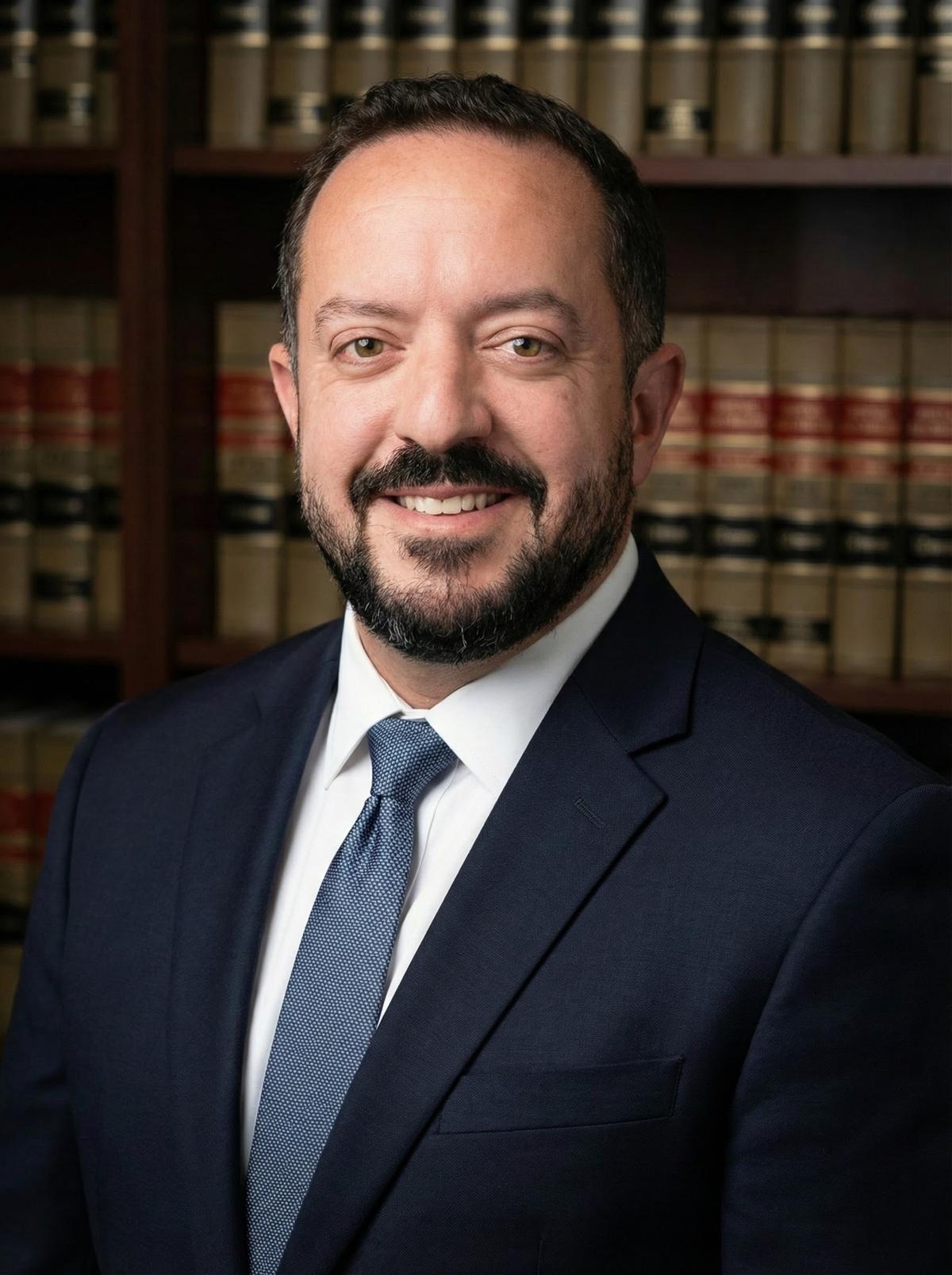
D. Colby Addison represents Oklahomans in substantial commercial-vehicle cases and brings trial-focused preparation to crashes involving layered companies and technical evidence.
From collision to a workable plan
A useful review develops the road event, commercial relationships, electronic information, medical course, and insurance situation together while respecting the client's recovery.
Share the exact route, impact sequence, vehicles, report, treatment, present symptoms, and strongest original images. Include carrier and trailer identifiers even if their roles are unclear.
Addison examines carrier records, ownership, shipping relationships, equipment, logs, cameras, dispatch, maintenance, witnesses, physical evidence, medical proof, and insurance to identify the key gaps.
The firm explains what investigation remains, whether other specialists are needed, and whether representation may be offered. Any scope, fees, and responsibilities are provided in writing.
Straight answers
These answers are a starting point. The right next step depends on what happened, who was involved, and when.
Keep original scene media, report details, witness contacts, tractor and trailer identifiers, company names, shipping papers if available, tow information, medical records, wage proof, repair material, and every insurance communication. Preserve damaged property as directed.
Scene evidence can disappear, vehicles can be repaired, and electronic or business records may be overwritten in ordinary operations. Early review helps identify what should be preserved while the facts are fresh and before treatment or insurance pressure obscures the immediate needs.
No. Federal information may help identify a carrier and provide useful safety background, but it does not decide how a particular crash occurred. Scene evidence, witnesses, vehicle data, company records, medical proof, and current law still require review.
Possible material includes electronic logs, engine and event data, telematics, dash cameras, dispatch, route history, inspection, maintenance, phone use, and site-access records. Different businesses may control these systems, and retention practices can vary.
Confirm which company the person represents and ask for requests in writing. You may need to cooperate with your own insurer, but a detailed recorded account deserves care while the facts, injuries, and business relationships remain unclear.
Keep exploring
Pryor resources
These links provide background on the places, services, and records discussed above. They do not decide what happened in a particular matter or replace advice based on the complete facts.
Begin with the crash record
Share the route, report, vehicle identifiers, strongest scene images, medical needs, and insurer contacts. Addison can help identify a sensible next step.