A delivery vehicle crashed
Preserve logo, unit, plate, driver, route clues, packages, device, and uniforms. Add contractor markings, witnesses, cameras, dispatch, delivery timestamps, insurance, and statements about the driver relationship.
Purcell help after a commercial vehicle changes life
A tractor-trailer, tanker, delivery truck, or work vehicle can cause severe injury and scatter proof across companies. Tell Addison the scene, identifiers, and household impact. The firm can trace driver, equipment, cargo, and business records.
Addison Law Firm's only office is in Oklahoma City. The firm serves Purcell-area clients by phone, video, or arrangement.
For the injured person and family
Treatment, lost transportation, missed income, and insurer demands can consume a household. Addison traces data held by carriers, owners, vendors, and facilities, then connects it to recovery and loss.
Commercial vehicles create layered proof
Investigation should explain origin, destination, cargo, and control of driver and equipment. It should examine maintenance, roadway effects, and movement records.
Preserve logo, unit, plate, driver, route clues, packages, device, and uniforms. Add contractor markings, witnesses, cameras, dispatch, delivery timestamps, insurance, and statements about the driver relationship.
Record project, work limits, cones, signs, equipment, cargo, company names, and permits. Add entrance condition, spotters, debris, traffic control, property status, and pre-impact movement.
Photograph tractor, trailer, plates, unit numbers, and regulatory numbers. Add bills of lading, placards, seals, cargo, owners, driver documents, tow location, and available lease or interchange information.
Collect emergency transport, hospital, surgery, imaging, rehabilitation, therapy, prescriptions, equipment, and home-care records. Add restrictions, provider opinions, bills, insurance payments, wages, household help, travel, and functional changes.
How Addison follows the commercial trip
A police report may identify vehicles and drivers without explaining every business relationship. Addison uses physical evidence, identifiers, trip records, contracts, and testimony to build a fuller picture.
Original photographs, video, measurements, marks, debris, cargo, damage, positions, controls, weather, witnesses, cameras, inspections, tow and repair records, and event data may change quickly.
Plates, unit and United States Department of Transportation numbers, logos, registration, leases, insurance exchanges, shipping papers, and facility documents help identify involved businesses.
Potential material includes dispatch, electronic logs, engine data, telematics, camera files, qualifications, maintenance, inspections, drug and alcohol records, cargo records, broker papers, and site access.
Treatment, native images, restrictions, bills, benefits, wages, travel, household help, property damage, and a dated account show the collision's human consequences.
What the family can preserve now
An injured person does not need to locate every commercial database. Keep what is already within reach. The scene, vehicle markings, original media, report, tow information, and treatment history can guide broader work.
Describe symptoms and onset accurately, follow restrictions, retain imaging, referrals, prescriptions, and appointments, and note access problems. Track missed work, transportation, assistance, and changing household duties.
Keep plates, unit numbers, company names, United States Department of Transportation number, placards, seals, cargo details, shipping papers, site tickets, insurance information, and unedited media.
Retain tow slips, inventories, repair and inspection information, release messages, claim numbers, adjuster names, statement requests, authorizations, offers, and response dates. Keep the complete communication thread.
Purcell commercial traffic converges along Interstate 35
Interstate 35, United States Highway 77, State Highway 39, State Highway 74, frontage roads, City streets, County roads, agricultural approaches, and private drives can appear in one commercial trip. A map locates a route but does not prove event-date maintenance, work responsibility, or control of an entrance.
Record coordinates, northbound or southbound travel, lane, interchange or marker, traffic controls, grade, curve, sight distance, weather, lighting, work activity, marks, debris, cargo, final positions, and nearby cameras. Keep photographs wide enough to show the approaches and how each vehicle reached the impact area.
The driver, motor carrier, equipment owner, lessee, broker, shipper, loader, receiver, cargo owner, contractor, tow company, repairer, insurer, property operator, and road authority may have different roles. Preserve identifiers and original records before assuming a logo explains the trip.
Capture plates, vehicle identifiers, unit and carrier numbers, company names, inspection markings, tires, lights, and damage. Separately record trailer plates, markings, seals, placards, cargo, and insurance.
Note route, direction, lane, prior intersection, curve, grade, shoulder, traffic control, work, sight distance, weather, impact point, debris, fluid, and final positions.
Identify destination of tractor, trailer, load, passenger vehicle, and detached items. Keep tow slips, inventories, storage messages, photographs, inspection requests, estimates, releases, transfers, and disposal notices.
Note fuel stations, stores, farms, elevators, loading areas, yards, homes, work zones, dash cameras, vehicle cameras, and property systems viewing the approach. Record likely time offsets.
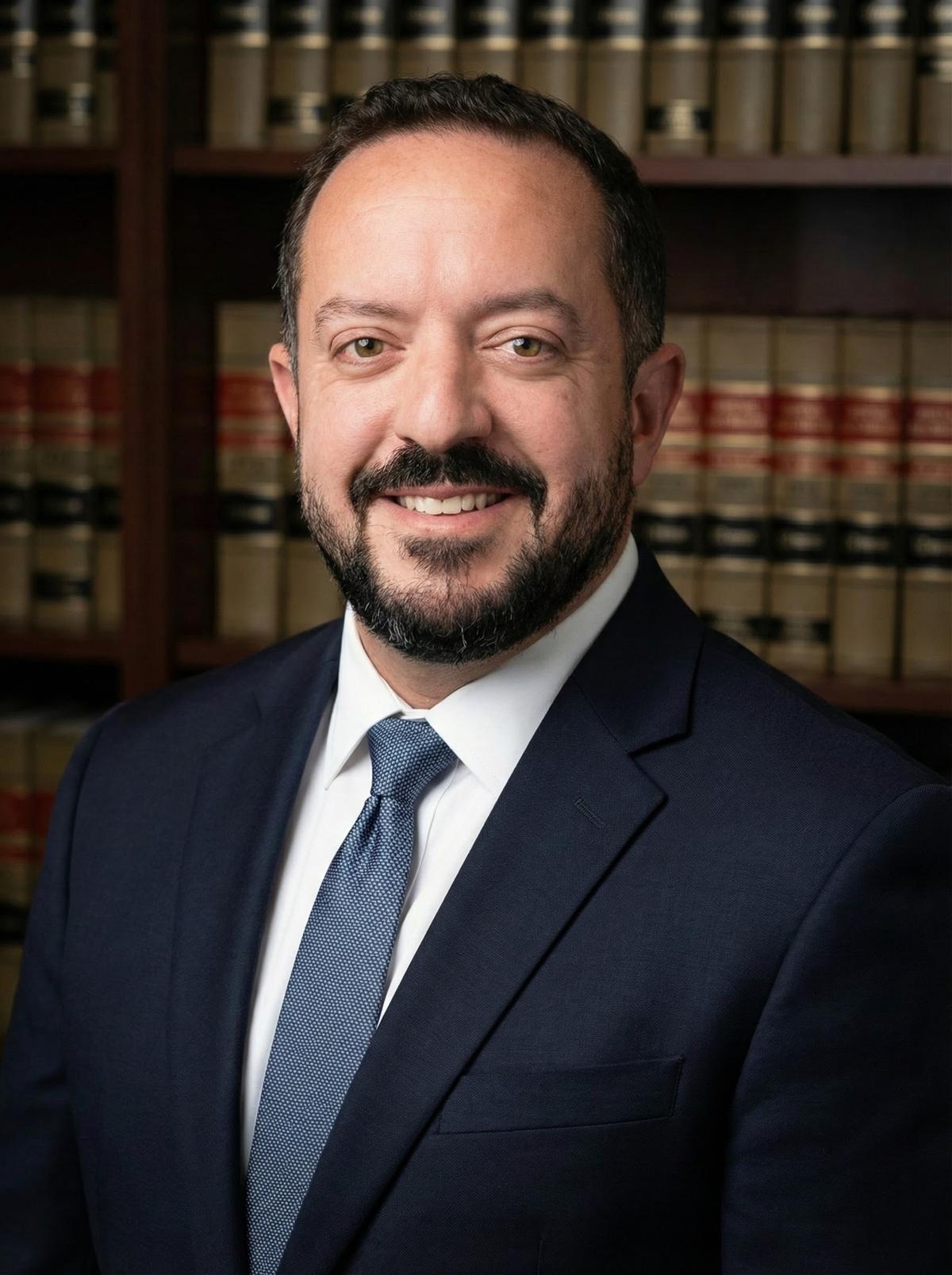
Why Addison
Addison develops truck-crash matters with attention to the companies and data without losing sight of the client's medical recovery and family obligations. Accepted clients receive direct explanations of evidence, insurance, treatment documentation, and major decisions. The firm makes no promise before the records support a conclusion.
D. Colby Addison represents Oklahoma people and families in substantial commercial-vehicle injury matters.
Investigate transport, medicine, and loss
Early work identifies equipment, companies, insurers, and changing data. Investigation tests transportation relationships, driver conduct, maintenance, cargo, road conditions, and company practices as medical and financial consequences become clearer.
Collect scene files, report details, registrations, regulatory identifiers, unit and trailer numbers, cargo papers, and tow records. Add witnesses, cameras, insurer information, and clues to logging, telematics, engine, dispatch, and phone data.
Compare carrier records, ownership, leases, dispatch, contracts, bills of lading, payroll, and contractor material. Test broker, shipper, maintenance, qualifications, inspections, hours, and company communications against trip control.
Evaluate driver conduct, company practices, equipment, cargo, roadway, causation, medical course, and prior relevant health. Consider insurance, income loss, expenses, liens, future needs, comparative responsibility, and litigation risk before choosing resolution.
Straight answers
These answers are a starting point. The right next step depends on what happened, who was involved, and when.
Record the exact route, direction, lane, intersection or marker, coordinates, property or work-zone entrance, nearby features, warning signs, and report heading. Keep wide and close original photographs.
No. The official City map states that depicting a road does not identify maintenance responsibility. Event-date project, work-order, inspection, ownership, agreement, dispatch, and route records may be needed.
Keep plates, unit numbers, business names, United States Department of Transportation number, placards, seals, and cargo details. Add the driver exchange, insurance papers, report number, shipping documents, site tickets, tow destination, and original media.
No. A company snapshot may help identify a business. It does not establish the driver's employer, equipment or cargo relationships, maintenance, route control, insurance, causation, or damages for the trip.
No. Practices vary by carrier, device, camera, site, vendor, agency, and governing rule. Preserve known vehicles and data promptly and obtain current matter-specific advice without relying on a generic period.
Keep exploring
Purcell and official resources
These links identify particular offices, maps, public systems, or governing texts. The useful record still depends on the event, legal name, location, document, and date.
Anchor the collision to the I-35 trip
Share coordinates, direction, original scene media, plates, unit and carrier numbers, trailer and cargo markings, report and tow papers, treatment, insurance exchanges, work loss, and any known logging, dispatch, camera, or telematics system.