A highway or rural-road collision
Save a map pin, travel direction, lane, shoulder, nearest intersection or entrance, vehicle positions, damage, tow destination, report details, witnesses, and original scene images. Note when symptoms began.
Weatherford counsel after a serious injury
An injury can affect movement, work, transportation, sleep, caregiving, and finances. Tell Addison what happened, where care began, and how ordinary life changed. Scene and insurance questions can be traced from there.
Addison Law Firm's only office is in Oklahoma City. The firm serves Weatherford-area clients by phone, video, or arrangement.
For injured people and their families
Obtain appropriate treatment and preserve early scene material. The record should connect the location, condition or conduct at issue, possible control, and later symptoms.
An injury may leave several unfinished problems
The first days may involve appointments, transportation, work calls, insurance forms, and help at home. A useful record captures the scene and practical consequences without requiring immediate legal answers.
Save a map pin, travel direction, lane, shoulder, nearest intersection or entrance, vehicle positions, damage, tow destination, report details, witnesses, and original scene images. Note when symptoms began.
If safe, photograph the approach and specific condition, including lighting, surface changes, weather, obstructions, warnings, entrances, and cameras. Keep the report, later messages, witnesses, and involved item or footwear.
Record the task, equipment markings, instructions, people present, reported employers, contractors, site contacts, and where equipment went. Keep work, safety, leave, or benefit papers you may lawfully possess.
A family member may take over driving, meals, childcare, finances, or personal care. Record help by date and task. Keep travel, wage, leave, medical, pharmacy, equipment, and household-expense records.
How Addison develops an injury record
A useful record connects the event with symptoms, treatment, work interruption, expenses, and observable changes. Addison can seek missing evidence while keeping the injured person's experience central.
Coordinates, photographs, measurements, weather, lighting, warnings, marks, debris, equipment, witnesses, reports, ownership clues, inspection records, and nearby cameras can show what existed at the time.
Emergency instructions, charts, native images, referrals, prescriptions, therapy, restrictions, symptom reports, and appointment history should connect clearly to dates and providers.
Bills, benefit explanations, wage records, leave, mileage, replacement services, damaged property, photographs, and a factual activity record show consequences that a diagnosis code may not capture.
Ownership, occupation, maintenance, contracting, employment, insurance, product, vehicle, and government records may point to different people or organizations. Addison verifies those roles from documents and event-date facts.
What to protect during early recovery
An injured person should not have to collect every maintenance file or contract. Preserve the materials already available to you. The exact scene, identifying numbers, treatment, and insurance contact can guide broader work.
Describe symptoms and onset accurately, follow restrictions, and retain instructions, charts, images, prescriptions, referrals, and appointments. Note transportation, cost, caregiving, or work barriers that affect the ability to obtain care.
Keep original photographs, video, audio, messages, report and incident numbers, property or vehicle details, witness information, tow papers, damaged items, and known camera locations. Do not alter files used as evidence.
Record claim numbers, calls, letters, statement requests, authorizations, estimates, benefits, bills, offers, work loss, travel, help received, and response dates. Keep full attachments and note any spoken request for information.
Weatherford injury evidence begins at the precise place
An injury may occur on Interstate 40, State Highway 54, a City street, County road, campus entrance, energy site, farm approach, business property, apartment, work zone, or another private location. Maps show geography but do not establish event-date ownership, maintenance, possession, or responsibility.
Record coordinates, direction, lane or path, nearest marker, entrances, warnings, lighting, weather, equipment, work activity, measurements, and camera locations. Keep wide and close images and preserve the condition before repair, cleanup, traffic, or weather changes it.
City, County, university, transportation, employer, contractor, property, medical, insurance, and private systems may each hold a different part of the proof. A report or map is a starting point, not a complete answer about the event or the resulting harm.
Save a map pin, route or street, travel direction, lane or path, nearest intersection or entrance, boundaries, and signals. Add signs, weather, lighting, and wide photographs showing the surroundings.
Keep the report heading, number, responding organization, names, vehicle markings, citations, incident papers, evidence receipts, tow information, and proof of any later request or correction.
Note cleanup, repair, resurfacing, moved objects, changed warnings, construction, landscaping, vehicle disposal, equipment alteration, or lost video. Photograph changes lawfully and keep the date of each observation.
Save discharge instructions, charts, native images, referrals, prescriptions, therapy, restrictions, bills, and benefit explanations. Do not rely only on patient-portal summaries or screenshots.
A recovery plan that remains understandable
Injury claims can become detached from treatment and disruption. Addison explains scene proof, medical support, insurance limits, and unresolved responsibility. Clients receive direct advice about expenses, liens, likely defenses, and settlement or litigation tradeoffs. Major choices remain theirs.
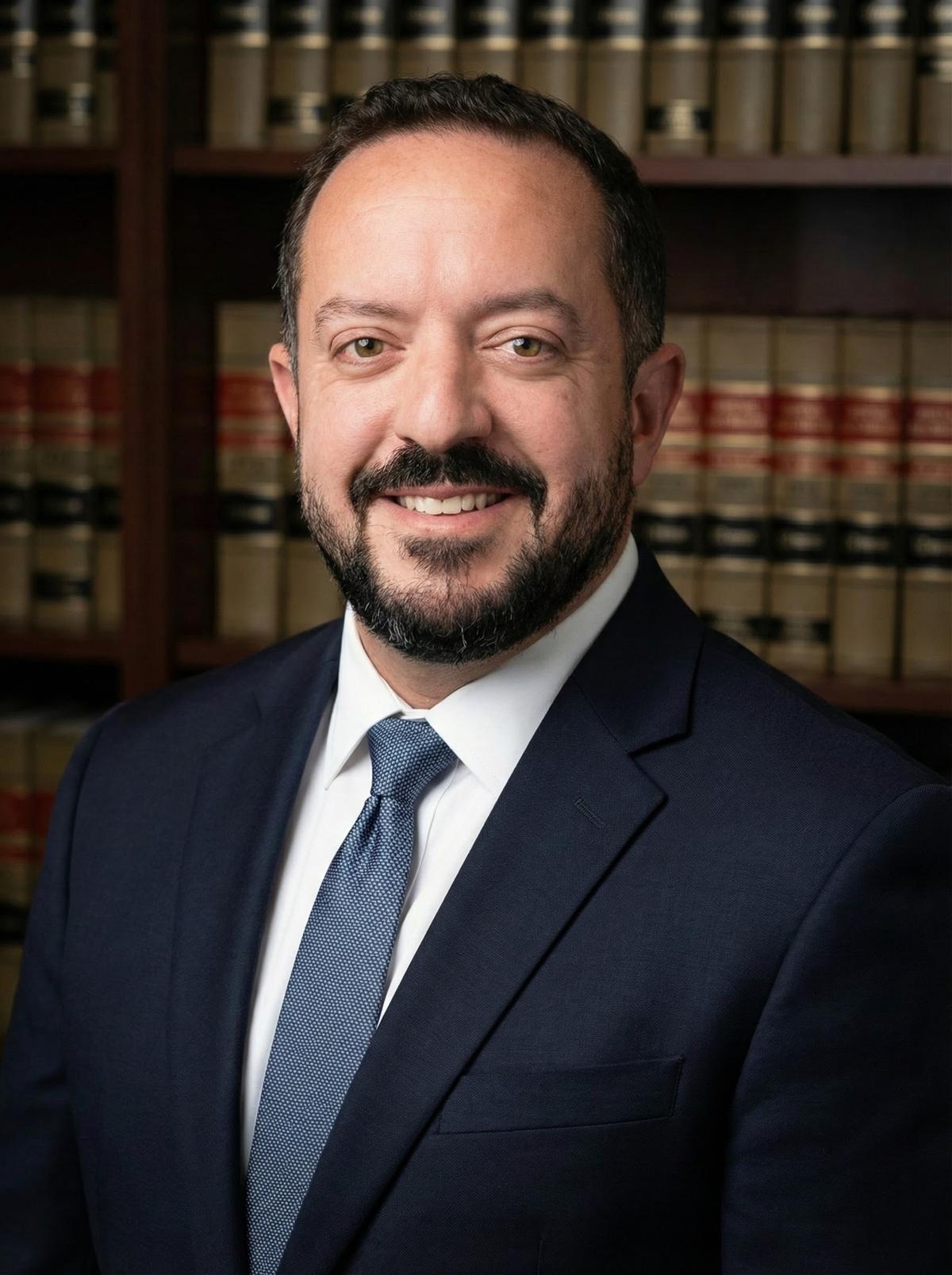
D. Colby Addison represents injured Oklahomans in serious civil matters involving disputed responsibility, institutional parties, insurance, and lasting loss.
A careful injury case develops over time
The first review identifies immediate evidence and treatment needs. Later work tests responsibility, follows recovery, organizes insurance and losses, and updates strategy as reliable facts replace early uncertainty.
Gather original media, precise location details, witness contacts, reports, damaged property, inspection clues, and camera locations. Identify any evidence that may change or disappear.
Build a provider-by-provider chronology and retain bills, imaging, restrictions, wage records, expenses, and functional examples. Accuracy includes improvements as well as continuing problems.
Responsibility, causation, prognosis, insurance, liens, damages, and procedural choices may become clearer over time. If Addison accepts the matter, the engagement defines scope and communication.
Straight answers
These answers are a starting point. The right next step depends on what happened, who was involved, and when.
Capture the complete scene before close details. Include approach, direction, controls, entrances, lighting, warnings, condition, measurements, damaged property, vehicle positions, injuries, and landmarks that help another person understand scale and location.
No. Preserve the exact coordinates, direction, lane, intersection or entrance, signs, conditions, event date, responder, and project clues. Those facts help investigate control without assuming it from the route label.
Not necessarily. Evidence may change while care continues. A lawyer can discuss preservation and insurance communications while the medical course and long-term effects remain uncertain.
Keep charts, original diagnostic images, instructions, referrals, prescriptions, therapy, restrictions, bills, benefits, wage or business records, expenses, and household-assistance information. Add photographs and a dated account of activity changes.
No. Responsibility, medical proof, recovery, lost work, insurance, liens, comparative fault, and damages law all require an individual assessment.
Keep exploring
Weatherford and official resources
These links identify particular offices, maps, public systems, or governing texts. The useful record still depends on the event, legal name, location, document, and date.
Connect the precise scene to the medical course
Share coordinates or the exact property, original photographs, reports, witness information, treatment, restrictions, insurance, expenses, missed income, daily limitations, and any evidence that may change or disappear.