Governance and institutional authority
Constitutions, charters, codes, resolutions, delegations, appointments, ethics rules, prior actions, and the objective should be read together before action.
Counsel for Tribal decisions
Addison advises Tribal governments and Tribal entities on governance, personnel, agreements, operations, development, services, and disputes. Work begins with authorized leadership and governing text.
Addison Law Firm's only office is in Oklahoma City. The firm serves Weatherford-area clients by phone, video, or arrangement.
For authorized leaders and administrators
A vote, contract, or personnel action may affect programs, employees, finances, relationships, and future administrations. Addison helps leadership verify authority, compare options, document, and implement the decision.
Institutional matters needing disciplined counsel
Addison serves Tribal governments and Tribal entities on governance, people, resources, relationships, and sovereign interests. Work begins with the client and authorized decision-maker, not geography.
Constitutions, charters, codes, resolutions, delegations, appointments, ethics rules, prior actions, and the objective should be read together before action.
Personnel decisions may involve authority, leadership roles, policy, operations, documentation, and fair process. Counsel helps authorized officials compare choices and record the client's decision.
Projects and agreements require correct parties, approvals, performance terms, payment, remedies, sovereign protections, and responsible administrators. Advice should address financing and operations as well as text.
A dispute may turn on parties, entity status, land, governing law, immunity, consent, service, prior proceedings, tribunal authority, remedies, and implementation. Addison does not infer those answers from Weatherford geography.
How Addison supports leadership
Addison organizes the governing and factual record, identifies leadership's choice, and tests options against operations. Advice should connect authorization, communication, performance, monitoring, and review.
Counsel identifies the government or entity receiving advice and the body or official authorized to direct it. Required participation, delegations, related entities, affected departments, and prior legal work add context.
Constitutional or charter text, codes, resolutions, ownership, appointments, policies, and minutes may answer part of the question; agreements, court papers, and prior practice may answer another.
Leadership receives a practical account of authority, uncertainty, cost, staffing, services, relationships, sovereign interests, remedies, timing, communication, and implementation.
Resolutions, policies, agreements, notices, minutes, instructions, signatures, and exhibits should use accurate names, authority, dates, approvals, duties, and remedies. State who acts and monitors.
Before leadership acts formally
Counsel works more effectively when governing records and practical consequences arrive together. Gather complete materials, not excerpts selected to support one position.
Confirm the specific government or entity, officials who may direct counsel, decision-maker, required approvals, signatory, and staff responsible for implementation. Identify existing counsel and other professionals whose work must be coordinated.
Keep constitutions, charters, codes, resolutions, policies, minutes, ownership papers, agreements, amendments, exhibits, notices, court papers, correspondence, signatures, dates, and proof of service or delivery. Preserve drafts when the revision history matters.
Describe the desired result, affected people and services, budget, timing, counterparties, existing promises, pending proceedings, staffing limits, communication needs, and consequence of delay. Include who will carry out the decision.
Weatherford geography selects no sovereign client
A Weatherford address, Custer County reference, campus, project, workplace, family account, or service office does not identify a Tribal government or entity. It also does not establish citizenship, parcel status, authority, jurisdiction, immunity, consent, governing law, or court.
Use complete organizational names from constitutions, codes, charters, resolutions, ownership records, agreements, payroll papers, official correspondence, and court captions. When land matters, obtain coordinates or a legal description, deeds, title material, trust or restriction evidence, leases, possession, and event-date control records.
Weatherford City, Custer County, State institutions, federal offices, Tribal governments or entities only when specifically proved, contractors, and private parties remain distinct. Shared programs, facilities, services, or geography do not merge their authority, records, obligations, or legal status.
Take the name from a charter, organizing instrument, resolution, contract, official letter, caption, payroll record, license, or insurance document. Shorthand can describe separate bodies or enterprises.
Identify the officer, council, board, committee, manager, or body authorized to retain counsel and approve action. Preserve appointments, delegations, votes, minutes, resolutions, recusals, and signature authority.
Keep definitions, pages, exhibits, incorporated material, enactment and publication records, signatures, approvals, amendments, and effective dates. An isolated clause may change within the complete instrument.
Handle legal advice, leadership deliberation, personnel files, commercial terms, meeting records, resolutions, and public explanation according to access needs. Avoid mixing subjects in one shared chain.
Counsel accountable to the client
Addison gives authorized Tribal leaders advice on governing power, workforce, development, public services, and continuity. Work follows the client's law, resources, relationships, and sovereign interests. Drafts support adoption and administration so later officials can understand what was authorized and why.
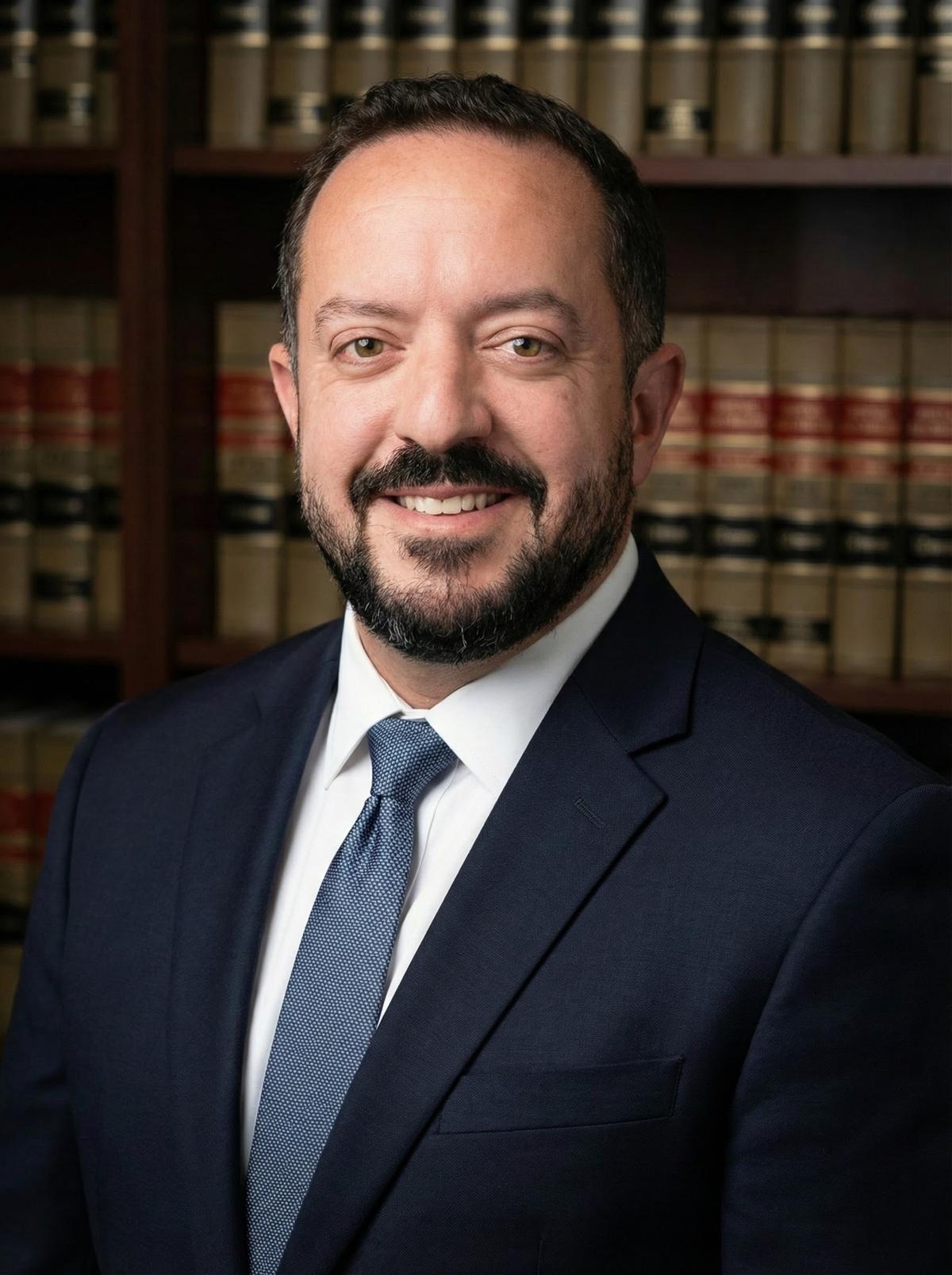
D. Colby Addison advises Tribal governments and Tribal entities on governance, employment, commercial, regulatory, and litigation matters.
A leadership-centered process
Each assignment begins with authorized instructions and an objective. Review connects controlling law and documents to facts, institutional interests, constraints, choices, approval, and implementation.
Confirm the client, decision-maker, instruction path, legal question, immediate risks, key relationships, confidentiality needs, budget, timetable, and what the written engagement includes. Clarify separate interests if several organizations or officials participate.
Review governing documents, enactments, agreements, history, facts, finances, operations, personnel, stakeholder interests, sovereign protections, litigation posture, and outside duties. Test legal support and implementation demands.
Prepare the selected instrument or action. Document approval, obtain signatures, deliver notices, coordinate staff, preserve the record, monitor performance, and set a review date.
Straight answers
These answers are a starting point. The right next step depends on what happened, who was involved, and when.
No. Review the land, parties, entity status, relevant citizenship facts, governing instruments, contracts, procedural history, and current authority. Geography selects neither a Nation nor a court.
Provide the constitution or charter, code, resolutions, delegations, appointments, ownership, policies, minutes, agreements, notices, court papers, and leadership's objective.
Yes. Addison advises Tribal governments and Tribal entities on authority, policy, complaints, investigations, leave, discipline, separation, documentation, and implementation within the scope of an accepted engagement.
No. Analyze the exact parties, entity status, ownership, governing law, charter provisions, agreements, waivers, resolutions, conduct, and current authority. A name alone resolves nothing.
Clear authority, legal names, consistent documents, assigned duties, realistic resources, planned communication, reliable records, monitoring, and a defined amendment path help.
Keep exploring
Weatherford and official resources
These links identify particular offices, maps, public systems, or governing texts. The useful record still depends on the event, legal name, location, document, and date.
Prepare the institutional decision packet
Share the exact organization, authority to instruct counsel, governing text, commitments, disputed facts, institutional objective, affected services or staff, implementation limits, required approval, and next date shown.