Force or search during a roadside contact
Record the exact road or entrance, direction, commands, compliance, search, contact, restraint, weapons, vehicle markings, and when you were free to leave. Keep the complete citation and unedited recording.
Woodward civil-rights help after force, detention, or retaliation
A badge, uniform, vehicle, facility, or report heading may identify only part of a Woodward encounter. Addison begins with your direct observations, then follows the people, authority, records, injuries, and consequences.
Addison Law Firm's only office is in Oklahoma City. The firm serves Woodward-area clients by phone, video, or arrangement.
For someone making sense of official conduct
An official account may omit what you saw, heard, felt, or lost. Start with the words, movements, restraint, search, transport, treatment, property, witnesses, and aftermath. Keep uncertainty visible; Addison can compare your account with reports, recordings, and later documents.
Woodward encounters across agency lines
Woodward Police, the County Sheriff, state personnel, school or health employees, regulators, contractors, and private parties remain separate even at one scene. Identify each person's conduct and employer separately.
Record the exact road or entrance, direction, commands, compliance, search, contact, restraint, weapons, vehicle markings, and when you were free to leave. Keep the complete citation and unedited recording.
List reported symptoms and medication needs, each response, transport and transfer, request or grievance numbers, witnesses, and care before and after confinement. Keep booking and release papers together.
List each item's condition, identifying marks, value, receipt or inventory number, last known holder, and return requests. Keep photographs, purchase history, messages, and court papers to trace custody.
Preserve the original complaint or recording, delivery proof, recipients, and later changes. Add citations, restrictions, threats, discipline, or service problems to a dated list without overstating causation.
How Addison investigates the civil-rights matter
One encounter may produce police, sheriff, court, medical, employer, regulator, contractor, and private records. Addison uses identifiers and event details to direct preservation, test legal responsibility, and document actual losses.
For each participant, record the name or description, badge, vehicle, employer clue, stated authority, commands, conduct, apparent supervisor, location, and stage. Keep unknown people separate.
Dispatch, body-camera, facility, booking, complaint, court, medical, workplace, and private-camera records may have different holders. Use report numbers, timestamps, vehicle numbers, and receipts for precise requests.
Treatment, photographs, counseling, missed work, transportation expense, damaged property, and changes in sleep or activity can show the human impact. Use dates and observable examples.
Addison reviews each person's participation, each entity's connection, causation, defenses, remedies, pending proceedings, preservation risks, and timing rules. A Woodward address supplies none of those legal conclusions.
Before recordings disappear or memories blur
Start with safety and medical care. Then preserve the earliest version of what you know. A plain account with honest gaps is more dependable than a polished statement created later.
Tell providers when symptoms began and how they followed the encounter. Retain discharge papers, referrals, prescriptions, images, restrictions, and appointments. Photograph visible injuries without editing the files.
Describe words, movements, restraint, search, transport, custody, property, treatment, release, and witnesses in order. Label later memories as additions instead of silently revising the first version.
Collect headings, case numbers, badges, vehicle markings, evidence receipts, complaint numbers, court captions, medical forms, witness contacts, and original-media links. These clues help separate record systems.
Woodward public channels remain separate
Woodward Police and the Woodward County Sheriff are separate agencies. Municipal Court and the County Court Clerk keep separate systems. Those distinctions may identify a paper or recording but do not establish the person's employer, asserted authority, or a legal violation.
An encounter may involve City or County personnel, state transportation or health staff, education employees, regulators, contractors, providers, private security, or private people. Keep badges, vehicle markings, report headings, job titles, facility names, transport details, court captions, and exact words about asserted authority.
Records may sit with the City Clerk, Police, Municipal Court, County Sheriff, County Court Clerk, state agencies, regulators, schools, providers, employers, contractors, or private camera owners. One request does not reach every channel.
Note the specific place, apparent agency, transport sequence, booking site, housing changes, treatment, release process, and names at every stage. One incident may cross several channels.
Keep incident and case numbers, badges, vehicles, evidence receipts, property lists, camera references, medical-request numbers, grievances, citations, and court captions.
Keep the original phone or camera file with available metadata and cloud backup. Save surrounding messages and upload history. Use a duplicate for clips or captions.
Keep treatment records, photographs, medication changes, missed work, expenses, property loss, transportation problems, counseling, and dated changes in ordinary activity.
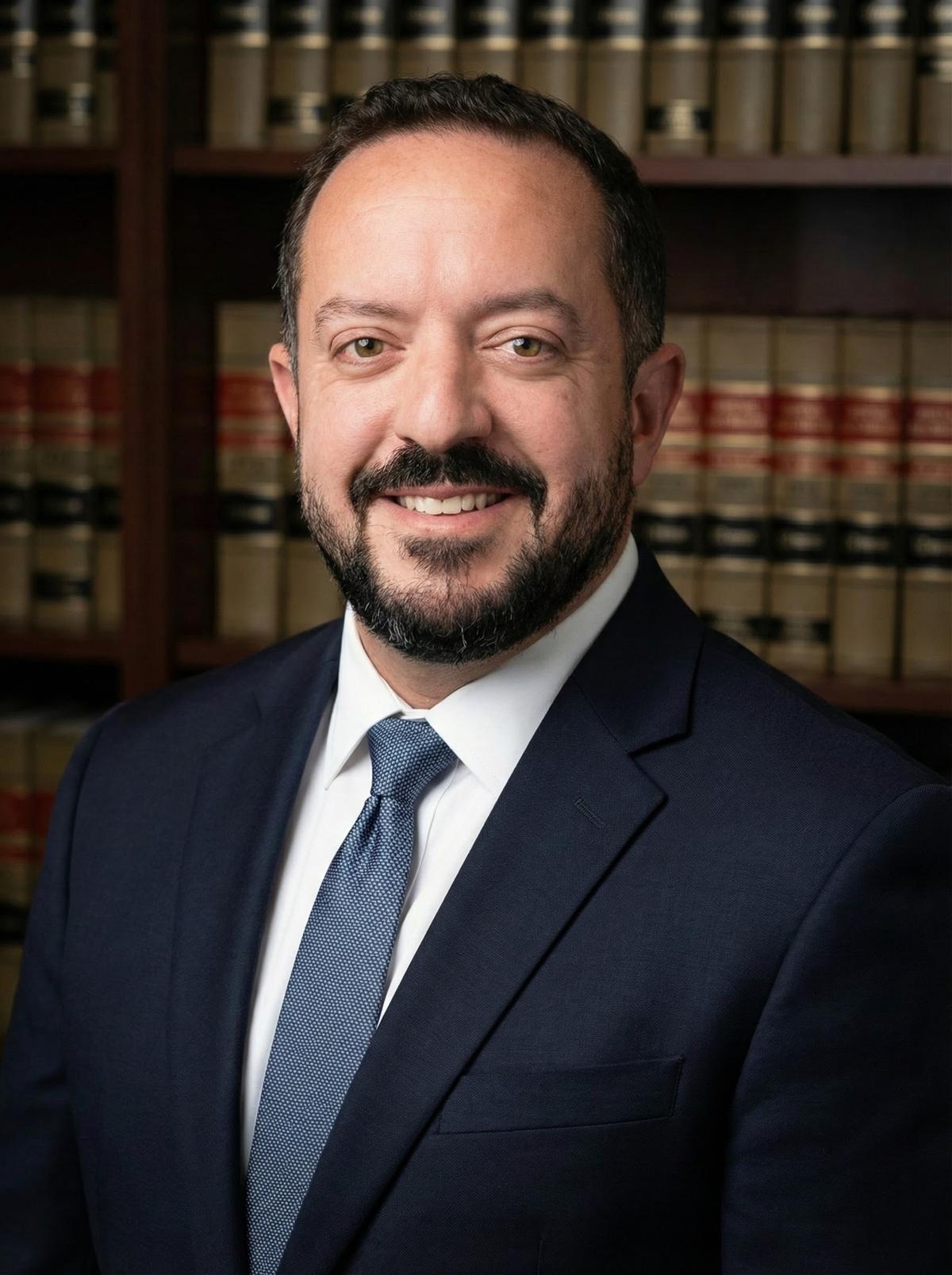
Civil-rights counsel grounded in the record
Addison begins with the client's account and treats uncertainty honestly. Accepted clients receive direct advice about proof, gaps, defenses, costs, and open choices. Conclusions await the facts and governing law.
D. Colby Addison represents Oklahoma clients in civil-rights disputes involving force, detention, medical care, property, and government conduct.
A disciplined civil-rights investigation
The investigation tracks conduct, authority, and injury separately. Reliable identifiers guide requests to likely record holders. Medical, employment, property, and household materials show consequences beyond the official report.
The first account covers the scene, commands, search, force, restraint, transport, custody, medical needs, property, witnesses, original media, and the immediate effect on daily life.
Dispatch entries, camera references, evidence receipts, custody papers, complaints, court files, provider records, workplace material, and private video may reveal who controlled a particular stage.
Addison considers personal participation, entity policy, causation, defenses, remedies, related proceedings, preservation risks, and current timing rules before recommending action.
Straight answers
These answers are a starting point. The right next step depends on what happened, who was involved, and when.
Record the exact place, commands, responses, each person's actions, force or restraint, searches, transport, booking, release, witnesses, injuries, property, and later contact. Leave uncertainty visible.
The heading, number, signature, badge, vehicle, booking entry, and delivery history may point to different people and agencies. Keep the entire report, citation, receipt, or court paper.
Preserve original photographs, video, audio, messages, upload links, cloud copies, and available metadata. Keep the full conversation surrounding a file, not only a screenshot or edited clip.
No. The conduct, asserted authority, facts known at the time, search or force, later proceedings, possible defenses, harm, and current law all require individual analysis.
No. Parties, claims, notice rules, administrative steps, and related proceedings may affect timing. Keep every dated item and seek prompt advice about the particular facts.
Keep exploring
Woodward and official resources
These links give background on the offices, records, roads, and legal materials above. They cannot answer a legal question without the complete facts.
Start with the moment authority entered the scene
Share the exact place, names or markings, complete papers, original recordings, treatment information, property details, witnesses, and a dated account of life afterward.