A highway or rural-road collision
Save a map pin, travel direction, lane, shoulder, nearest intersection or entrance, vehicle positions, damage, tow destination, report details, witnesses, and original scene images. Note when symptoms began.
Woodward legal help after an injury
An injury may affect movement, work, transportation, sleep, caregiving, and finances. Tell Addison what happened, where care began, and how life changed. Scene and insurance questions can follow.
Addison Law Firm's only office is in Oklahoma City. The firm serves Woodward-area clients by phone, video, or arrangement.
For the injured person and family helping at home
Pain, restrictions, appointments, missed work, household help, transportation, and uncertainty may reshape family life. Addison can organize the investigation while the injured person keeps an accurate treatment and recovery account.
An injury may leave several unfinished problems
The first days may involve appointments, transportation, work calls, insurance forms, and help at home. A useful record captures the scene and practical consequences without requiring immediate legal answers.
Save a map pin, travel direction, lane, shoulder, nearest intersection or entrance, vehicle positions, damage, tow destination, report details, witnesses, and original scene images. Note when symptoms began.
If safe, photograph the approach and specific condition, including lighting, surface changes, weather, obstructions, warnings, entrances, and cameras. Keep the report, later messages, witnesses, and involved item or footwear.
Record the task, equipment markings, instructions, people present, reported employers, contractors, site contacts, and where equipment went. Keep work, safety, leave, or benefit papers you may lawfully possess.
A family member may take over driving, meals, childcare, finances, or personal care. Record help by date and task. Keep travel, wage, leave, medical, pharmacy, equipment, and household-expense records.
How Addison develops the injury record
A report or chart may show one part of the experience. Addison connects the event, medical care, financial strain, and changes at home, then investigates people and organizations whose records may explain what occurred.
Location, movement, conditions, photographs, damage, warnings, equipment, witnesses, responder records, and possible cameras capture details that repairs, weather, traffic, or cleanup may change.
Organize emergency visits, primary care, imaging, specialists, therapy, medication, restrictions, referrals, missed appointments, and symptoms by provider and date. Keep setbacks and uncertainty visible.
Wage records and bills matter, as do unused stairs, changed childcare, shortened workdays, and interrupted sleep. Dated examples show those changes accurately.
Deeds, leases, contracts, maintenance logs, vehicle, employment, insurance, and government records may identify different responsibilities. Addison compares them with witness observations rather than relying on a sign or address.
Early priorities after an injury
Appropriate care comes first. A straightforward symptom and activity account is better than a polished story. Do not alter original media or guess at unconfirmed facts.
Tell providers when symptoms began, attend recommended appointments, follow restrictions, and keep instructions, referrals, prescriptions, diagnostic images, and contact details.
Keep original photographs, video, witnesses, reports, vehicle or property papers, insurance exchanges, claim communications, estimates, receipts, and damaged items when safe.
Note appointments, symptoms, sleep, medication effects, mobility, work, driving, caregiving, household tasks, and recreation. Use dates and concrete observations.
Woodward scenes require specific place work
Official maps distinguish United States Highways 183, 270, and 412, State Highways 15 and 34, City streets, County corridors, and private entrances, but do not assign maintenance. Preserve coordinates, direction, intersection, lane or path, shoulder, entrance, surface, warnings, and signs.
An injury may involve a road, lease, well, wind site, work area, institution, carrier yard, store, apartment, or other property. County and regulatory records may identify interests or operators but do not prove event-date possession, control, duty, notice, or causation.
Care may involve emergency services, hospitals, clinics, therapists, imaging providers, pharmacies, or other facilities. Keep each provider's complete charts, original images, bills, instructions, referrals, restrictions, and delivery details; one chart rarely contains the full history.
Capture the approach, direction, traffic controls, entrance, surface, lighting, warnings, weather, and nearby businesses or cameras. Keep the originals.
Keep discharge instructions, referrals, imaging, prescriptions, therapy, restrictions, bills, and benefit explanations. Track requests and receipts by provider.
Note missed shifts, reduced duties, leave, transportation, childcare, household help, sleep, mobility, recreation, and harder or stopped activities.
Keep leases, receipts, inspection tags, contractor names, registrations, equipment labels, correspondence, and incident papers without assuming a clue proves control.
Injury counsel centered on the recovery
Addison investigates the event while paying close attention to treatment, employment, family responsibilities, transportation, and financial pressure. Accepted clients receive direct advice about the proof, uncertainty, expense, insurance issues, and strategic decisions that arise as the medical course develops.
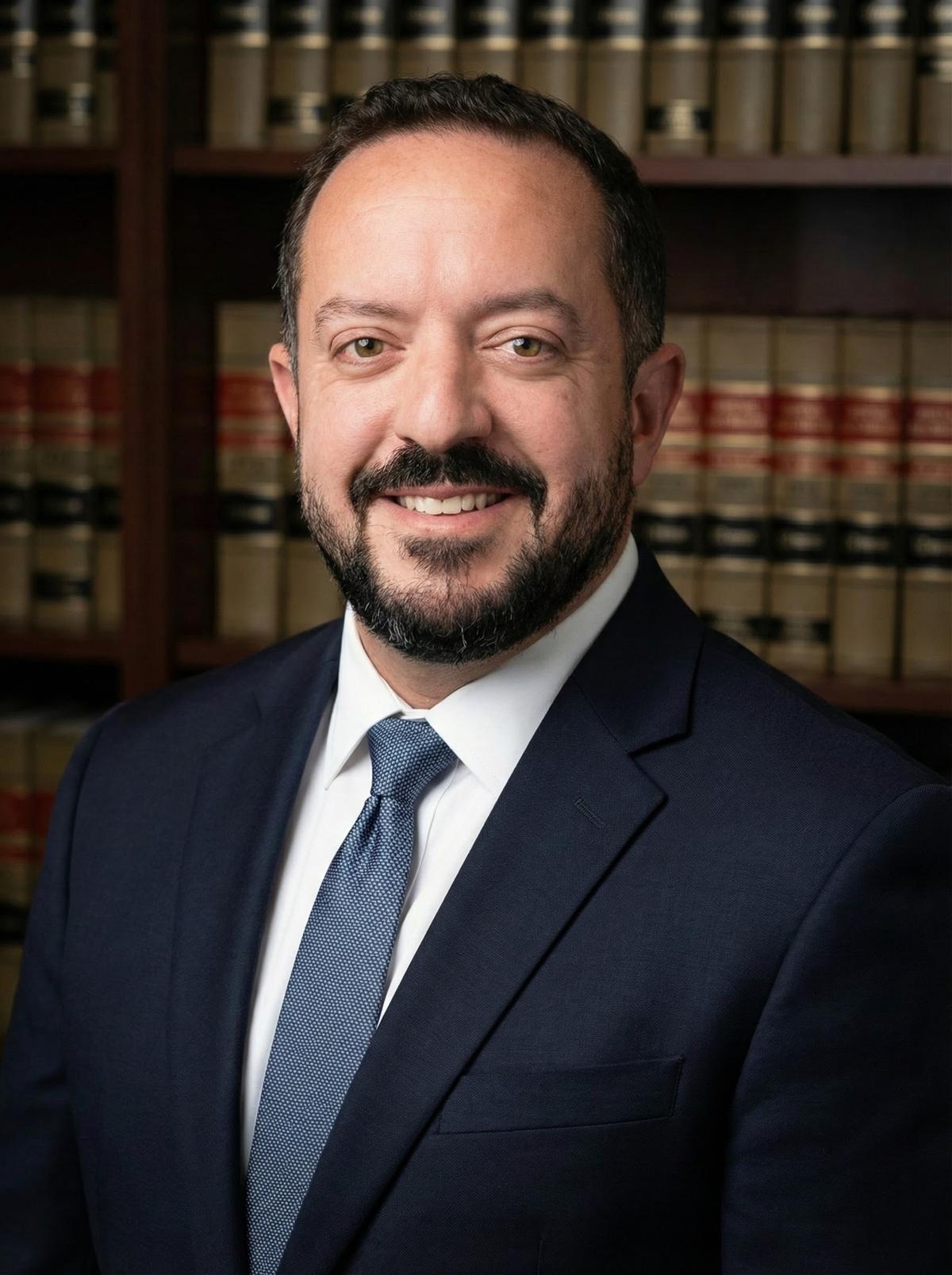
D. Colby Addison represents injured Oklahomans and families in serious collision, premises, worksite, insurance, and wrongful-death disputes.
Two records developed at the same time
Physical conditions, video, and vehicle or equipment data may disappear while treatment continues. Addison develops the liability and medical tracks together, then tests whether the proof connects the event to the client's injuries, expenses, lost work, and daily limitations.
Capture coordinates, conditions, movement, equipment, warnings, witnesses, reports, responders, camera locations, and the first symptoms or medical care.
Organize charts, diagnostic images, restrictions, prescriptions, bills, benefit records, wages, travel, household assistance, and concrete changes in activity by date.
Counsel reviews event-date control, potential parties, coverage, medical causation, defenses, liens, damages, related proceedings, and current timing rules before recommending a recovery path.
Straight answers
These answers are a starting point. The right next step depends on what happened, who was involved, and when.
Preserve original scene media, the exact place, witness information, reports, insurance exchanges, treatment instructions, medical records, bills, wage proof, receipts, and a dated account of recovery.
No. Official maps say route placement does not establish maintenance responsibility. Coordinates, the event date, road features, project records, contracts, and agency documents may be needed.
Not necessarily. Evidence may change while care continues. A lawyer can discuss preservation and insurance communications even though the medical course and long-term effects remain uncertain.
Use dated, concrete observations about sleep, walking, lifting, driving, work, caregiving, household tasks, recreation, and medication effects. Keep the account accurate and avoid exaggeration.
No. Responsibility, medical proof, recovery, lost work, insurance, liens, comparative fault, and damages law all require an individual assessment.
Keep exploring
Woodward and official resources
These links give background on the offices, records, roads, and legal materials above. They cannot answer a legal question without the complete facts.
Begin with the scene and the course of care
Tell Addison the precise place, original photographs, known names, treatment history, work interruption, expenses, insurance papers, and the next decision now approaching.