Key Takeaways
- Oklahoma recognizes dram shop claims: Oklahoma's Supreme Court recognizes civil liability when a commercial vendor serves a noticeably intoxicated patron who then causes injury to others.
- Noticeable intoxication is the key proof issue: The patron must show observable signs of intoxication at the time of service — simply being over the legal limit is usually not enough.
- Commercial Insurance Can Matter: Drunk drivers frequently carry minimum insurance, so an establishment's commercial liability policy may be important in serious-injury cases.
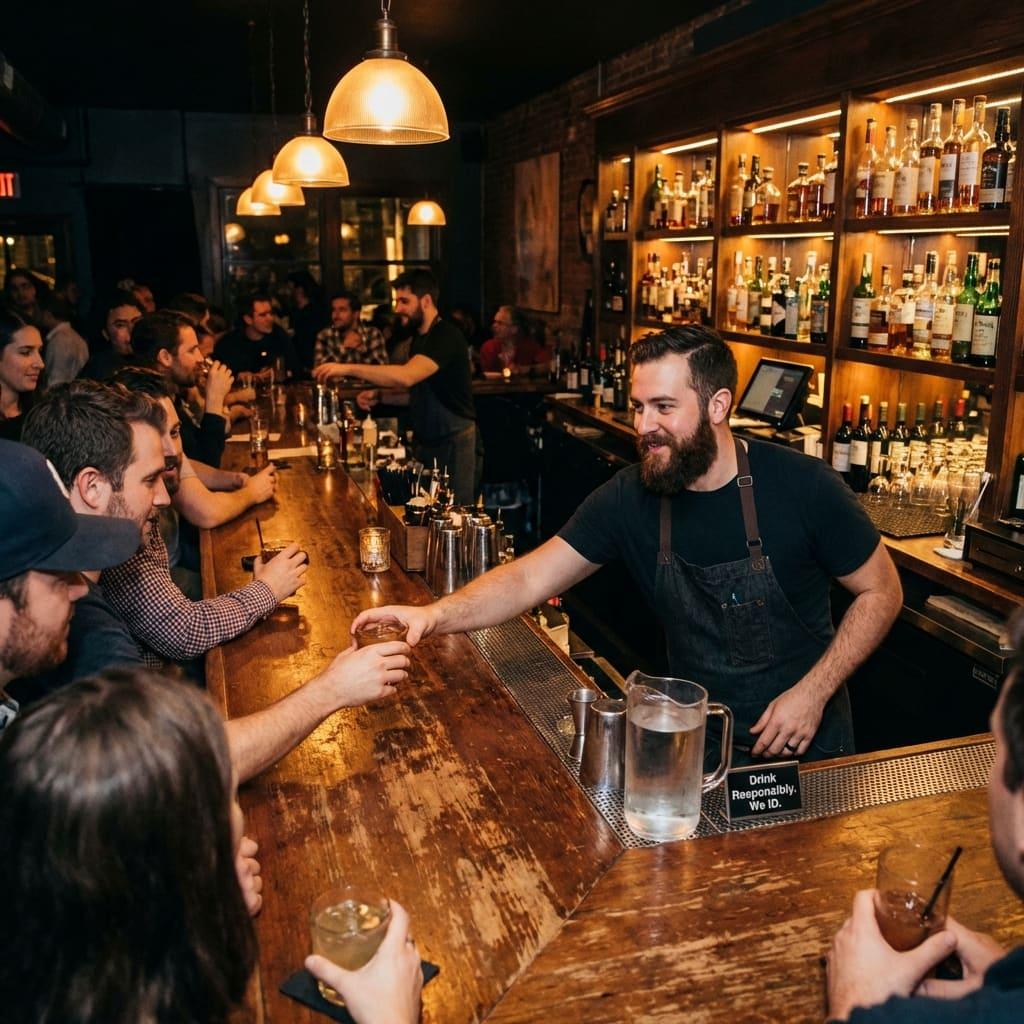
When a drunk driver causes a crash, you can sue the driver. But what about the bar that kept serving them when they were visibly impaired? In many states, dram shop liability allows injured victims to hold alcohol vendors responsible for the foreseeable consequences of irresponsible service. Oklahoma has dram shop liability — but it's more limited than in many states, and understanding when these claims apply is important for anyone injured in an alcohol-related crash.
The term "dram shop" is a holdover from 18th-century England, where alcohol was sold by the "dram" — a small measure of spirits. Today, the term applies to any establishment that sells alcohol: bars, restaurants, clubs, and liquor stores. The core theory is straightforward: vendors who profit from selling alcohol have a duty to do so responsibly. When they over-serve noticeably intoxicated patrons who then hurt someone, the vendor may share responsibility for the consequences.
Oklahoma's Dram Shop Law
Oklahoma's Alcoholic Beverage Control Act makes it unlawful to knowingly sell, furnish, or give alcoholic beverages to an intoxicated person under 37A O.S. § 6-121. Oklahoma's civil dram shop rule comes from cases such as Brigance v. Velvet Dove Restaurant, where the Oklahoma Supreme Court recognized a commercial vendor's duty not to serve a noticeably intoxicated patron who intends to drive. The path is narrow because it requires proof of intoxication at the time of service, but it can be meaningful because commercial insurance may provide coverage beyond the driver's personal auto limits.
Under the civil claim, a vendor can be held liable for damages caused by an intoxicated person if three conditions are proven. First, the vendor sold or provided alcoholic beverages. Second, the patron was noticeably intoxicated at the time of sale — not just "had been drinking" or "was over the legal limit," but visibly, observably impaired. Third, the patron's intoxication was a proximate cause of the injury. All three elements must be proven, and the second one — noticeable intoxication — is where many dram shop cases succeed or fail.
What Noticeable Intoxication Actually Means
The noticeable-intoxication standard is deliberately demanding. It requires more than proof that the patron had a high blood alcohol content. Courts look for observable signs of impairment that a reasonable vendor — bartender, server, or cashier — should have noticed: slurred speech, difficulty walking or maintaining balance, bloodshot or glassy eyes, impaired coordination, loud or disruptive behavior, incoherent conversation, or the strong odor of alcohol.
This distinction matters because a person can be legally intoxicated, with a blood alcohol concentration of 0.08% or higher, without showing obvious external signs of impairment. Habitual drinkers, in particular, may function at blood alcohol levels that would leave occasional drinkers visibly impaired. If a patron appeared sober enough that a reasonable vendor would not have noticed intoxication, the dram shop claim becomes much harder — even if toxicology later shows the patron was well above the legal limit.
The practical effect is that dram shop cases depend heavily on what the vendor's staff actually observed or should have observed. This makes evidence gathering uniquely time-sensitive. Surveillance footage that shows the patron stumbling, leaning on bars, or having difficulty signing credit card receipts is often important evidence in these cases — and many commercial surveillance systems overwrite footage within days.
Building a Dram Shop Case: What Evidence Matters
Evidence in dram shop cases is often fragile, and delay can seriously weaken the claim. Important categories of evidence include bar and restaurant records — the number of drinks served, receipt and tab records, credit card timestamps, and server notes. These records establish how much alcohol was served and over what period, which allows experts to calculate an approximate blood alcohol concentration at the time of service.
Video surveillance from the establishment is equally critical. Many bars operate interior cameras that capture the patron's condition throughout the evening — their behavior when they arrived, their progressive impairment as they continued drinking, and their state when they left. If the footage shows a patron who could barely stand being handed another beer, the dram shop claim is strong. If it shows someone who appeared functional despite having consumed heavily, the claim becomes much harder.
Witness testimony fills gaps that records and video can't cover. Bartenders, servers, other patrons, and anyone who saw the driver leave the establishment can testify about the patron's observable condition. Toxicology evidence — the driver's blood alcohol level after the crash — allows forensic toxicologists to back-calculate the likely blood alcohol concentration at the time of service. And the establishment's corporate policies regarding responsible service, including TIPS certification or similar training programs, prior incidents at the location, and whether the vendor had a history of over-serving, can all be relevant.
Your attorney will need to send preservation letters to the bar or restaurant immediately — often within the first day or two after the crash. Without those letters, critical evidence disappears. This is why contacting an attorney quickly after an alcohol-related crash is especially important in potential dram shop cases.
Why the Bar Matters More Than You Think
Many clients initially focus solely on the drunk driver and wonder why pursuing the bar is worth the effort. The answer is often insurance. Oklahoma requires only $25,000 in bodily injury coverage per person for auto insurance — a policy limit that catastrophic car crash injuries can easily exceed. Many drunk drivers carry only this minimum coverage, and their personal assets may be negligible.
Bars and restaurants, however, often carry commercial general liability insurance with higher limits. In cases involving severe injuries like traumatic brain injuries, spinal cord damage, or wrongful death, the drunk driver's $25,000 policy may be far too small. The bar's commercial insurance may be an important path to broader recovery.
Beyond the practical insurance considerations, dram shop liability serves an important deterrent function. When bars face financial consequences for over-serving, they invest in better training, more attentive staff, and more rigorous cut-off policies. These measures reduce drunk driving and prevent future crashes. Holding the bar accountable isn't just about your case — it's about preventing the next one.
Defenses Bars and Restaurants Will Raise
The most common defense in a dram shop case is that the vendor didn't notice any intoxication — and couldn't reasonably have been expected to notice. The bar's attorneys will argue that the patron appeared normal, was socializing coherently, and didn't exhibit any of the classic signs of impairment. This is why objective evidence — surveillance footage, tab records showing 12 drinks in three hours, testimony from other patrons — is so important. The patron's subjective appearance to the bartender is only one piece of the puzzle.
Vendors also frequently argue that the patron was already intoxicated when they arrived — that whatever intoxication caused the crash resulted from drinking at a previous location, not from what was served here. This defense highlights the importance of tracing the driver's complete evening. If the patron had three drinks at your defendant's bar and nine at the bar they visited before, the allocation of responsibility changes significantly.
Oklahoma's comparative negligence rules also come into play. The impaired driver may carry most of the fault, and the jury may allocate responsibility among all responsible parties. The vendor's share of fault may be less than the driver's, but proving vendor fault may add an important commercial insurance source to the recovery analysis.
Training records — TIPS certification, responsible service policies, history of refusing intoxicated patrons — are relevant but not a complete defense. A bar can have excellent training programs and still be liable if a specific server ignored that training and continued serving a noticeably intoxicated patron.
Limitations on Oklahoma Dram Shop Claims
Oklahoma's dram shop law has significant limitations that distinguish it from more expansive states. Liquor stores and other package sellers face reduced exposure because the brief transactional nature of a store purchase makes it harder to observe intoxication. When someone walks up to a register, purchases a bottle, and leaves, the cashier has far less opportunity to assess intoxication than a bartender who serves the patron over the course of an evening.
Private social hosts — people who serve alcohol at home, at parties, or at other non-commercial settings — generally are not treated the same as commercial vendors serving adult guests. However, furnishing alcohol to a minor can create criminal exposure and serious civil-risk questions if that minor subsequently causes injury.
What to Do After an Alcohol-Related Crash
If you suspect the at-fault driver was over-served at a bar or restaurant, time is your most critical resource. Document where the driver was drinking — witness statements, the driver's own admissions at the scene, receipts in the vehicle, or social media posts from earlier in the evening can all point to the establishment. Preserve evidence aggressively by contacting an attorney who can send preservation letters to the bar before surveillance footage is overwritten and records are discarded.
Investigate the driver's night comprehensively: where did they drink, for how long, and how much did they consume? Credit card records, cell phone location data, and social media check-ins can reconstruct the timeline. The more completely you can establish what the bar served and when, the stronger your dram shop claim becomes.
At Addison Law, we investigate dram shop claims thoroughly and pursue every responsible party. If you were injured by a drunk driver and believe a bar or restaurant over-served them, contact us for a free consultation. Evidence disappears quickly — don't wait.
Frequently Asked Questions
What is dram shop liability in Oklahoma?
Dram shop liability allows victims of alcohol-related crashes to sue the bar, restaurant, or liquor store that served the intoxicated person who caused the injury. Oklahoma combines the statutory duty not to knowingly serve intoxicated persons under 37A O.S. § 6-121 with common-law civil liability recognized in Brigance. The vendor can be held financially responsible if they served a patron who was noticeably intoxicated at the time of service and that intoxication caused the crash.
How do I prove a bar over-served someone in Oklahoma?
You need evidence that the patron was visibly intoxicated when the bar continued serving them. Key evidence includes surveillance video showing the patron's condition, bar receipts and tab records showing how many drinks were served, witness testimony from staff or other patrons, and toxicology results that allow experts to back-calculate the patron's blood alcohol level at the time of service.
Can I sue a liquor store for selling alcohol to a drunk driver?
Oklahoma dram shop claims are often harder against package sellers like liquor stores because the brief interaction at a register makes it more difficult to prove observable intoxication. However, if the buyer was noticeably impaired at the time of sale, a claim may still be viable.
What is the difference between first-party and third-party dram shop claims?
A third-party claim is brought by someone injured by the intoxicated person — for example, a victim of a drunk driving crash. A first-party claim would be brought by the intoxicated person themselves. First-party claims face major comparative-fault and public-policy problems because the person who chose to drink shares responsibility for their own intoxication.
Is a private host liable for serving alcohol in Oklahoma?
Generally, private individuals who furnish alcohol to adult guests are not treated like licensed commercial vendors under Oklahoma dram shop law. Furnishing alcohol to a minor is different and can create criminal exposure and civil-risk issues if the minor causes injury.
Why should I pursue the bar instead of just suing the drunk driver?
Many drunk drivers carry only Oklahoma's minimum auto insurance ($25,000 per person) or no insurance at all. Bars and restaurants often carry commercial liability policies with higher limits. Pursuing the establishment that over-served the driver may be important to obtaining meaningful compensation for catastrophic injuries.
Injured by a Drunk Driver?
The bar that kept serving may share responsibility. We investigate every viable source of recovery.
Get a Free Consultation →This article is for general information only and is not legal advice.