
Key Takeaways
- The rear driver is not always fully at fault: Brake-checking, broken brake lights, dangerous lane changes, and sudden unsafe stops can shift part or all of the fault to the lead vehicle.
- Comparative negligence can split responsibility: Under Oklahoma's modified comparative fault system, both drivers' negligence is evaluated and fault is apportioned — you can recover as long as your fault does not exceed the combined fault of all defendants.
- Evidence is the key to changing the fault analysis: Dashcam footage, witness testimony, vehicle inspections, and accident reconstruction experts can shift fault away from the rear driver.
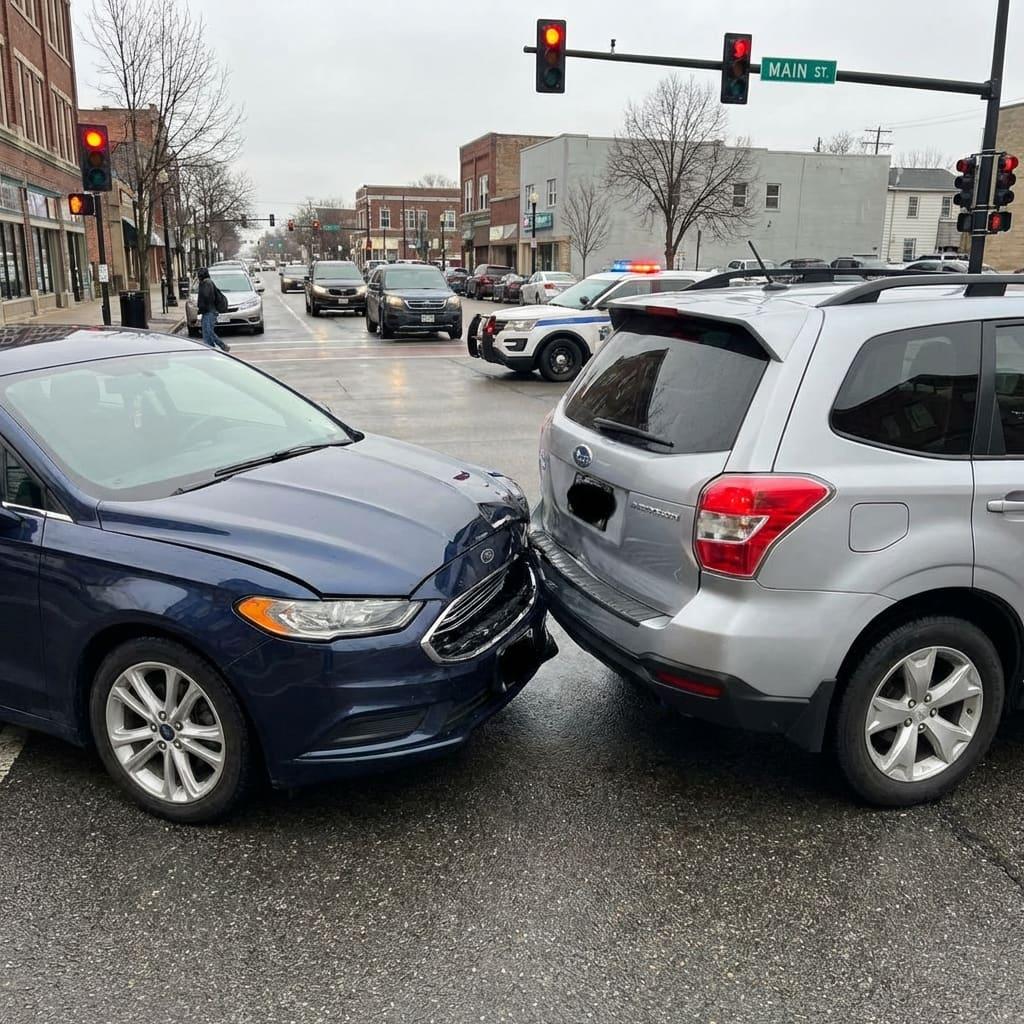
There is a common assumption in Oklahoma car accident cases: the driver who rear-ends another vehicle is automatically at fault. Insurance adjusters rely on this assumption, police reports often reflect it, and many people accept it without question.
But it's not always true.
Oklahoma law recognizes multiple scenarios where the lead vehicle shares—or even bears primary—fault for the collision.
Why the Presumption Exists
The "rear driver at fault" presumption makes sense in most cases. Drivers have a legal duty to:
- Maintain a safe following distance
- Remain attentive to traffic ahead
- Control their speed to stop safely
When someone fails these duties and crashes into the car ahead, they may have been negligent. Oklahoma's following-distance statute, 47 O.S. § 11-310, requires drivers to maintain a "reasonable and prudent" distance behind the vehicle ahead, considering speed, traffic conditions, and road surface. Violating that duty can support a negligence argument, but it is still a starting point for evidence, not the final answer in every case.
Assumptions are not proof. They are starting points for investigation, not final answers.
When the Lead Vehicle Shares Fault
Several scenarios regularly result in comparative or primary fault for the lead vehicle:
Sudden, Unnecessary Stops
Stopping abruptly without reason — brake-checking, for instance — can shift fault to the lead vehicle. If a driver slams the brakes to annoy a tailgater rather than for any traffic reason, they may bear significant responsibility for the resulting collision. Courts evaluate whether the stop was necessary under the circumstances, and dashcam or traffic camera footage often proves decisive in these cases.
Broken or Absent Brake Lights
If the lead vehicle's brake lights weren't functioning, the following driver had no warning of deceleration. This mechanical failure can substantially shift fault.
Dangerous Lane Changes
A driver who cuts into a lane immediately in front of another vehicle, leaving insufficient stopping distance, often bears responsibility even though they were technically "in front" at impact.
Reversing Without Warning
Drivers who back up unexpectedly—in parking lots, driveways, or even on roads—can cause what appears to be a rear-end collision while actually being at fault.
Stopping in Travel Lanes Without Hazard Signals
A driver who stops in an active travel lane without activating hazard lights—especially in low-visibility conditions—may share fault for rear-end collisions.
Road Rage and Intentional Conduct
"Brake checking"—intentionally slamming brakes to intimidate a following driver—can make the lead vehicle primarily responsible for the resulting crash.
How Oklahoma's Comparative Negligence Applies
Oklahoma uses a modified comparative fault system. Here's how it works:
- Both drivers' negligence is evaluated and assigned a percentage
- If the plaintiff's fault does not exceed the combined fault of all defendants, they can recover damages
- Recovery is reduced by the plaintiff's percentage of fault
Example: Brake Light Failure
- Following driver was tailgating (30% fault)
- Lead vehicle had non-functioning brake lights (70% fault)
- Total damages: $100,000
- Following driver recovers: $70,000
The rear driver's tailgating contributed to the crash, but the lead vehicle's equipment failure was the primary cause.
Example: Lane Change Collision
- Driver A changes lanes abruptly in front of Driver B (60% fault)
- Driver B was distracted by phone (40% fault)
- Total damages: $80,000
- Driver B recovers: $48,000
Even though Driver B rear-ended Driver A, Driver A's dangerous lane change was the primary cause.
Proving the Lead Vehicle's Fault
Changing the usual rear-end fault analysis requires evidence:
Witness Testimony Witnesses who saw erratic driving, unnecessary braking, or dangerous lane changes are invaluable.
Dashcam Footage Video evidence showing what the lead vehicle did before impact often reveals context that changes the fault analysis.
Vehicle Inspection Post-accident inspection can confirm brake light failures, turn signal malfunctions, or mechanical issues.
Accident Reconstruction Experts can analyze skid marks, impact angles, and vehicle damage to determine pre-impact speeds and actions.
Event Data Recorders Many vehicles have "black boxes" that record braking, acceleration, and speed data in the seconds before a crash.
Traffic Camera Footage Intersection cameras and nearby business surveillance may have captured the crash.
What Insurance Companies Won't Tell You
When you are the rear driver in a collision, the other driver's insurance company may:
- Insist you are automatically at fault
- Refuse to investigate their insured's conduct
- Deny that brake lights, lane changes, or other factors matter
- Offer nothing or minimal compensation
They're counting on you to accept the "rear driver at fault" assumption without challenging it.
Don't let an insurance adjuster's legal conclusions substitute for actual investigation. What seems like a clear-cut case often looks very different when evidence is properly examined.
Common Injuries in Rear-End Collisions
Rear-end crashes frequently cause:
- Whiplash and soft tissue neck injuries
- Herniated discs and spinal injuries
- Traumatic brain injuries (even at low speeds)
- Seat belt injuries (shoulder and chest)
- Facial injuries from airbag deployment
- Wrist and hand injuries from bracing against steering wheel
These injuries can have lasting effects even when the collision seems minor. Always seek medical attention after a rear-end crash.
Protecting Your Claim
If you've been rear-ended—or are the rear driver and believe the lead vehicle contributed to the crash:
- Document the scene thoroughly—photographs, witness information, and your own notes
- Note brake light function on the other vehicle if possible
- Get the police report—but remember it reflects the officer's initial impression, not a final determination
- Seek medical attention promptly—even if injuries seem minor initially
- Don't accept the "automatic fault" assumption without investigation
- Consult an attorney before accepting any settlement
We Investigate Every Angle
Rear-end collision claims require thorough investigation, not assumptions. We examine the available evidence to determine actual fault and challenge overbroad insurance-company conclusions.
If you've been injured in a rear-end collision and believe the other driver shares responsibility, or if you're being unfairly blamed for a crash, contact us for a free consultation. We'll review the facts and give you an honest assessment of your personal injury case.
Frequently Asked Questions
Is the rear driver always at fault in a rear-end collision in Oklahoma?
No. While the rear driver is often blamed first, that is not the final legal answer in every case. Oklahoma law recognizes scenarios where the lead vehicle shares or bears primary responsibility — including sudden unnecessary stops, broken brake lights, dangerous lane changes, and intentional brake-checking.
What is brake-checking and can I sue for it?
Brake-checking is the intentional act of slamming brakes to intimidate a following driver. If a driver brake-checks you and causes a collision, they may bear primary responsibility for the resulting crash. This is considered aggressive driving or road rage, and the evidence (dashcam footage, witness statements) can shift fault to the lead vehicle.
How does Oklahoma's comparative negligence apply to rear-end crashes?
Under Oklahoma's modified comparative fault system, both drivers' negligence is evaluated and assigned a percentage of fault. You can recover damages as long as your fault does not exceed the combined fault of all defendants — and your recovery is reduced by your percentage of responsibility. For example, if you are found 30% at fault and have $100,000 in damages, you can recover $70,000.
What evidence can help prove the lead vehicle was at fault?
Dashcam footage, witness testimony, vehicle inspection (confirming brake light failures), accident reconstruction analysis, event data recorders ("black boxes"), and traffic camera footage can all shift fault. The key is preserving this evidence quickly — footage can be overwritten and vehicle data can be lost.
Can I recover for whiplash from a rear-end collision?
Yes. Whiplash and soft tissue injuries are among the most common injuries in rear-end crashes. While insurance companies often try to minimize these claims, delayed symptoms from whiplash can be severe and long-lasting. Medical documentation and prompt treatment are critical to supporting your claim.
What should I do immediately after being rear-ended in Oklahoma?
Document the scene thoroughly with photos, noting any issues with the other vehicle's brake lights or turn signals. Get witness contact information. Seek medical attention promptly, even if you feel fine — adrenaline can mask symptoms. Do not accept the "automatic fault" assumption without investigation, and consult an attorney before accepting any settlement from the insurance company.
Rear-Ended in Oklahoma?
Even "minor" rear-end crashes can cause serious injuries that show up days later. We handle the insurance fight so you can focus on getting better.
Free Consultation — No Fee Unless We Win →This article is for general information only and is not legal advice.