Governance and institutional authority
Addison reads constitutional powers, codes, resolutions, delegations, appointments, ethics rules, prior action, and the present objective together.
Ada counsel for Tribal governments and Tribal entities
Addison advises Tribal governments and Tribal entities on governance, workforce decisions, agreements, development, and major disputes. Begin with the institutional choice and the authority documents. The firm verifies the sovereign, entity, land, and court issues instead of drawing conclusions from Ada geography.
Addison Law Firm's office is in Oklahoma City. The firm serves Ada-area clients by phone, video, or arrangement.
For officials authorized to act for the client
A vote or executive decision can affect programs, employees, finances, relationships, and later administrations. Addison helps leadership define the client, verify authority, compare options, and support implementation.
Choices that carry institutional consequences
Addison serves Tribal governments and Tribal entities on choices affecting governance, people, resources, relationships, or sovereign interests. The work begins with the client and authorized decision-maker, not geography.
Addison reads constitutional powers, codes, resolutions, delegations, appointments, ethics rules, prior action, and the present objective together.
Workforce decisions can implicate authority, leadership roles, policy, operations, documentation, and fair process. Counsel helps authorized officials compare options and record the institution's choice.
A project or agreement needs correct parties, approvals, performance, payment, remedies, sovereign protections, and responsible administrators. Advice should address financing and operations as well as the text.
A dispute may turn on parties, entity status, land, governing law, immunity, consent, service, prior proceedings, tribunal authority, remedies, and implementation. Addison does not infer answers from Ada geography.
How Addison supports an authorized institutional choice
Addison organizes the governing record and operational facts, then helps leadership choose language and procedure the client can adopt, explain, and administer.
Addison reads the constitution or charter, code, resolutions, delegations, appointments, ownership records, policies, and minutes to identify authorized contacts and required approvals.
Compare each option with governing text, prior action, budget, staffing, services, counterparties, timing, sovereign interests, remedies, and implementation responsibility.
Resolutions, agreements, policies, notices, records, and instructions should use consistent names, authority, dates, approvals, signatures, and exhibits. Resolve conflicts before adoption or execution.
Assign communication, performance, records, monitoring, escalation, and review. Leadership should be able to identify the authority, information considered, action taken, and responsible officials.
Before leadership commits the institution
The useful starting record shows who the client is, who may act, what result is sought, which text controls, and what commitment or dispute already exists. Missing items can then be identified with precision.
Gather the constitution or charter, code, resolutions, delegations, appointments, policies, minutes, agreements, amendments, exhibits, signatures, publication information, and earlier action tied to the question.
List the officials empowered to instruct counsel, make the decision, approve funding, sign, administer performance, communicate the result, and retain the institutional record.
Describe the desired outcome, affected services or people, budget, timing, counterparties, existing promises, pending proceedings, operational limits, and the consequence of delay. Avoid treating an Ada address as proof of any legal status.
Ada geography requires careful verification
Ada sits in Pontotoc County, but a city or County map is not a parcel-status or jurisdiction map. A mailing address, nearby government office, or service area cannot establish Indian-country status, citizenship, entity status, or which sovereign governs a particular issue.
Ada Municipal Court, Pontotoc County state court, federal courts, and every correctly identified Tribal court are distinct systems. Choosing among them requires the actual parties, legal entity, land when relevant, claim, governing documents, consent, procedural history, and requested relief.
Carry exact names through charters, ownership material, agreements, pleadings, notices, resolutions, signature blocks, and correspondence. A government, department, enterprise, authority, and commercial affiliate may have different legal status.
Begin with coordinates or a legal description, deeds, title evidence, trust records, leases, surveys, and current records from the appropriate sovereign or federal office. Proximity and generalized maps are not substitutes.
Keep complete constitutions, charters, codes, resolutions, policies, agreements, consents, licenses, notices, amendments, exhibits, signatures, publication information, and service or receipt proof.
Organize municipal, County, state, federal, and Tribal documents by the issuing body and case or matter number. A shared address or related project does not combine their authority or procedures.
Why Addison
Addison gives authorized Tribal leaders direct advice on authority, continuity, workforce, development, services, and public responsibility. The firm prepares consistent records, focuses on implementation, and addresses sovereign interests throughout.
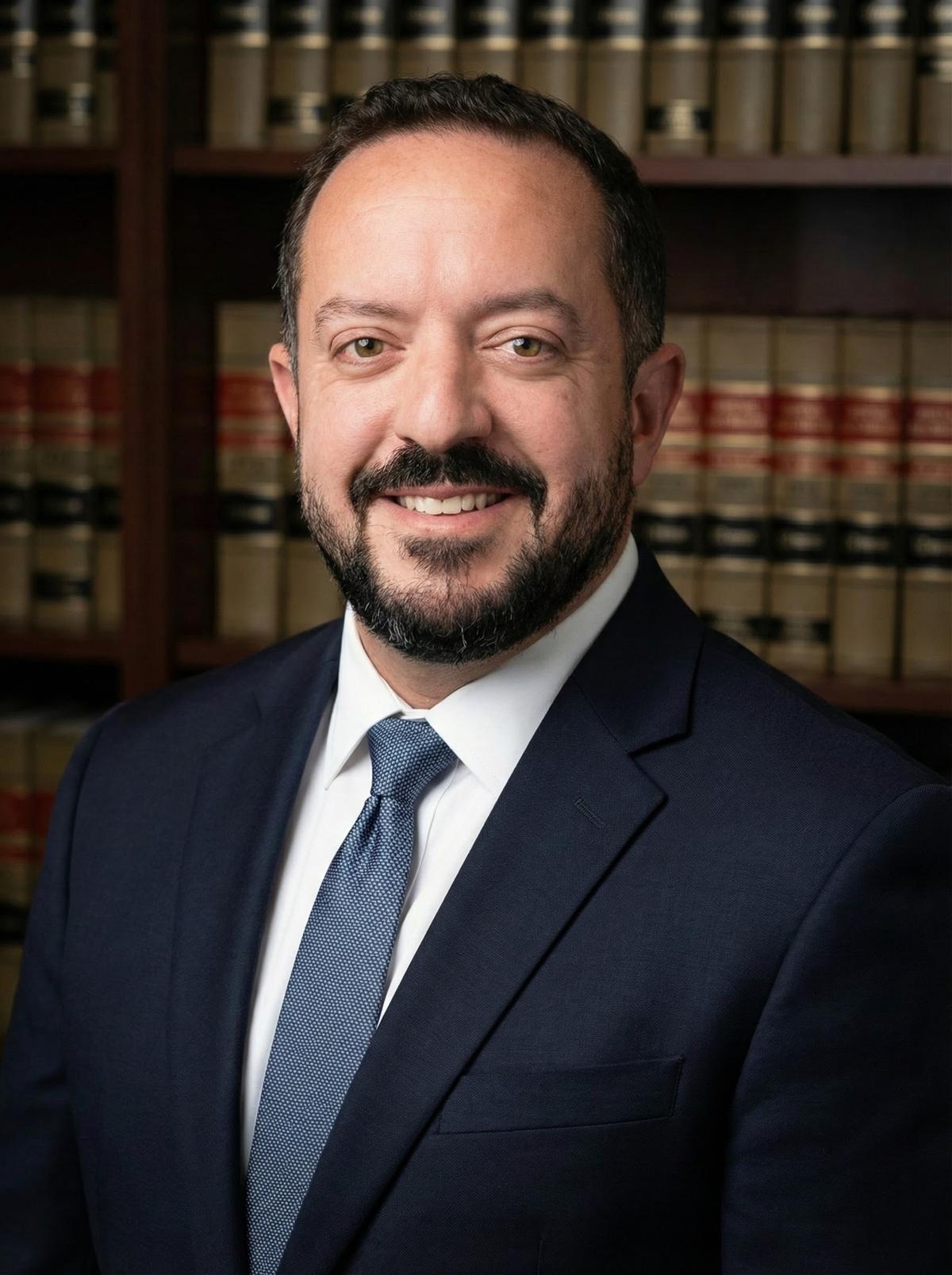
D. Colby Addison advises Tribal governments and Tribal entities on governance, employment, transactions, development, and substantial disputes.
From authorized question to completed institutional work
Tribal counsel begins with the client, authorized officials, objective, governing record, and practical limits. It should end with clear approvals, documents, responsibility, and monitoring.
Leadership identifies the client, decision-maker, requested outcome, governing provisions, affected programs or people, current commitments, response date, and operational constraints.
Addison weighs authority, facts, precedent, agreements, budget, workforce impact, services, sovereign interests, dispute exposure, remedies, timing, and the steps required to implement each path.
The chosen course addresses votes or executive action, signatures, notices, communication, performance, record retention, monitoring, and escalation. The responsible officials should be identifiable from the final record.
Straight answers
These answers are a starting point. The right next step depends on what happened, who was involved, and when.
No. Addison verifies the relevant parcel, sovereign, legal entity, parties, citizenship facts when pertinent, governing documents, conduct, and requested relief. A city or County label cannot supply those answers.
Bring the proposed decision, response date, authorized participants, constitution or charter, relevant code and resolutions, agreements, policies, minutes, notices, correspondence, and complete court papers.
Yes. Addison advises Tribal governments and entities about complaints, internal inquiries, leave, discipline, separation, policy, executive relationships, documentation, governing authority, fair process, and implementation.
The agreement should identify the proper parties, authority, required approvals, duties, payment, remedies, sovereign provisions, signatures, dates, and exhibits. Missing institutional action can weaken administration and create disputes.
Authorized leadership retains the governmental or organizational choice. The engagement identifies the client, authorized contacts, scope, communication expectations, fees, records, and any limits on Addison's assignment.
Keep exploring
Ada resources
These links give background on the offices, records, roads, and legal materials discussed above. They cannot answer a specific legal question without the complete facts.
Place the decision inside its authority
Provide the client identity, authorized officials, governing materials, desired result, current commitments, and response date. Addison can develop options without treating geography as an answer.