Excessive force
Force during a stop, arrest, restraint, transport, or detention that caused injury and may not have been justified by the circumstances officials actually faced.
Civil-rights help for Bartlesville
Addison evaluates serious claims involving excessive force, unjustified detention, unlawful searches, retaliation, and dangerous conditions in custody. Early work focuses on your account, the injury, the officials involved, and evidence that may be lost if no one acts.
Addison Law Firm's office is in Oklahoma City. The firm serves Bartlesville-area clients and can meet by phone, video, or arrangement.
Counsel for individuals and families
A constitutional case is not an abstract dispute about policy. It begins with a real encounter, a loss of freedom or safety, and consequences that continue after the event. Addison listens for those facts before deciding what law may apply.
Problems Addison evaluates
The strength of a civil-rights matter depends on the conduct, legal standard, available evidence, injury, and proper defendants. These examples describe concerns worth discussing, not promised claims.
Force during a stop, arrest, restraint, transport, or detention that caused injury and may not have been justified by the circumstances officials actually faced.
A loss of freedom that requires close review of the stated reason, warrants, offense facts, duration, information known at the time, and each official's role.
Home entries, vehicle searches, personal searches, device access, surveillance, or retained property where consent, a warrant, probable cause, or another asserted basis is disputed.
Government action after protected speech or reporting, and serious physical or mental-health needs that officials knew about but failed to address appropriately.
How Addison approaches the case
Civil-rights cases are demanding. The first useful work is to preserve the event in reliable form, identify each decision, and understand how the encounter affected the person's body, freedom, work, and family.
Addison develops a sequence of commands, responses, restraint, searches, force, transport, medical requests, booking, release, and later communications. Uncertainty is marked instead of filled with assumptions.
Dispatch audio, body or vehicle video, jail material, medical records, policies, photographs, witness files, and private surveillance may sit in different places. The preservation plan follows the actual record.
Badges, uniforms, report headings, vehicles, transfer records, and employment information can clarify who participated and for whom. Shared dispatch or a familiar local name should not collapse distinct roles.
Counsel considers the right allegedly violated, personal involvement, available defendants, injuries, causation, immunity questions, pending charges, possible notices, court options, and time limits under current law.
After a serious encounter
You do not need to investigate the government yourself. Protect original evidence, record what you remember, and identify the fastest-moving material so counsel can decide what should happen next.
Record the reason given for contact, words used, movements, restraint, search, force, transport, treatment, custody, release, and later communication. Separate personal memory from information supplied by witnesses or paperwork.
Keep original video, photographs, messages, location history, call logs, and device data. Download cloud material when lawful, preserve metadata, and avoid adding captions or social posts that may obscure the original record.
Identify nearby homes, businesses, vehicles, public buildings, and phones that may have recorded the event. Write down witness names and contact information without coaching anyone about what to say.
Local evidence in Bartlesville
An incident may begin on a Bartlesville street and continue through transport, booking, medical care, or court. Different people may control each stage. You do not need to name every agency before calling; describe the sequence and share any paper or identifying detail you have.
No single report or records request will necessarily explain the whole encounter. Preserve what you already control, including original photos, messages, medical papers, and court documents. Addison can identify which missing evidence deserves prompt attention.
A civil-rights review is not criminal defense. If a citation, charge, bond condition, or court date is pending, tell both lawyers about the other matter before giving statements or taking steps that could affect either case.
Photographs, witnesses, medical findings, dispatch audio, reports, location history, and later statements may help explain what happened. Missing video should not stop you from asking for advice.
Seek appropriate care and describe symptoms accurately. Keep photographs, discharge instructions, diagnoses, referrals, bills, and restrictions so the review can connect the encounter to what changed afterward.
Why Addison
Addison approaches civil-rights matters with respect for the person's experience and discipline about proof. The firm does not confuse outrage with a legal conclusion. It prepares accepted cases for hard questions about evidence, injury, and responsibility.
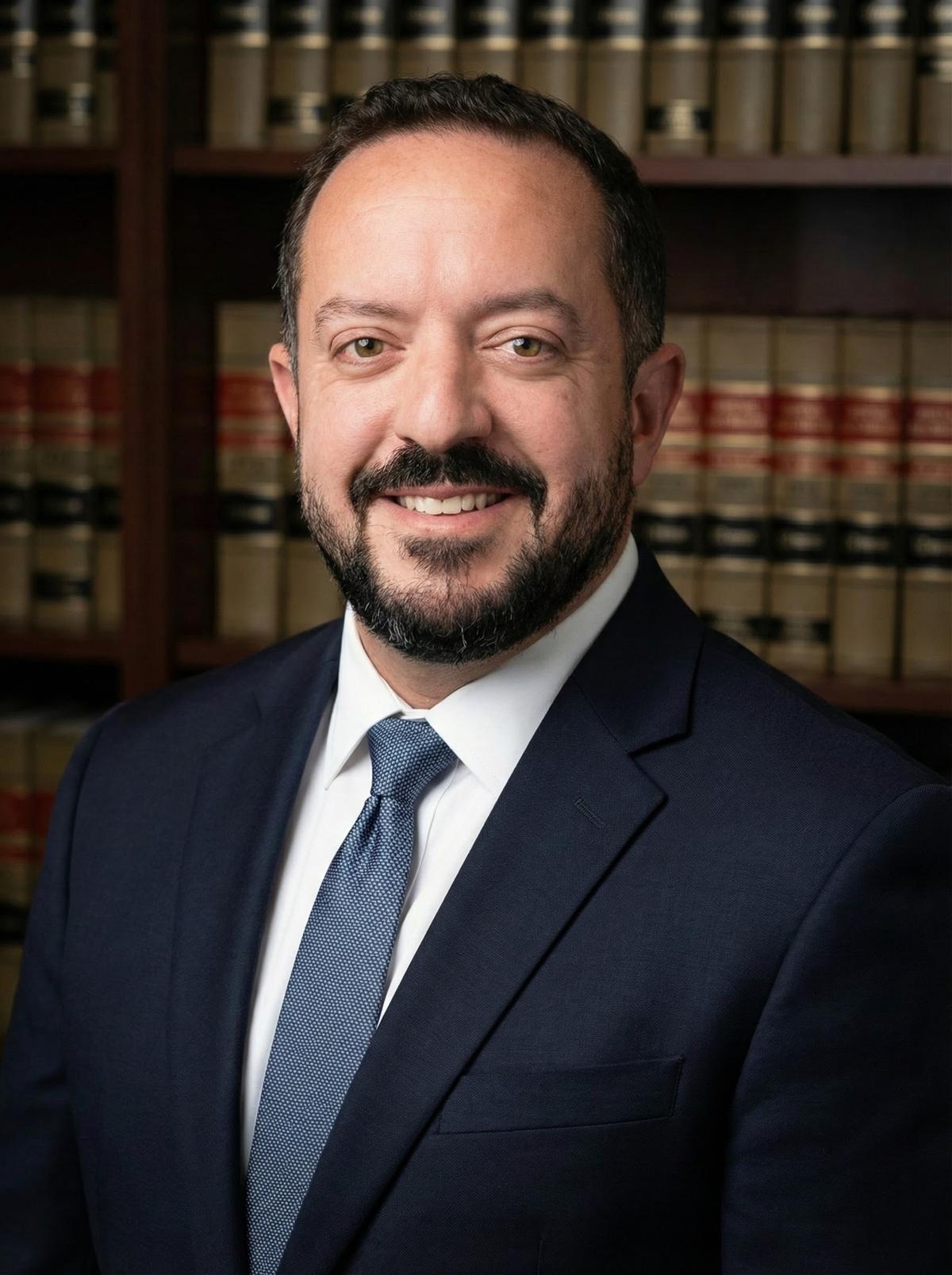
D. Colby Addison represents people in serious Oklahoma civil-rights disputes and brings trial-focused preparation to matters involving government power.
From first account to informed decision
The aim is to understand what happened, protect the most vulnerable evidence, and decide whether the facts support work the firm can responsibly undertake.
Share the sequence in your own words, the people and agencies you can identify, any pending charge, the injuries, and the next date. Bring the strongest original document or recording available.
The firm compares your account with reports, recordings, medical material, witnesses, and other records. It identifies conflicts, missing evidence, responsible parties, and legal questions requiring further research.
Addison explains whether more investigation is needed, whether another lawyer should be involved, or whether representation may be offered. Scope, fees, and responsibilities are confirmed in writing.
Straight answers
These answers are a starting point. The right next step depends on what happened, who was involved, and when.
No. A civil-rights matter addresses harm caused by government conduct. It does not defend a pending criminal or municipal charge. If another case is open, obtain appropriate defense counsel and disclose that case before making statements or taking civil action.
Not always. A report may help identify officers, units, and agencies, but legal responsibility can depend on personal involvement, employment, authority, policy, and the claim asserted. Preserve the full report and any related video or transfer paperwork.
Original video, photographs, dispatch information, body or vehicle camera footage, medical records, witness details, reports, custody records, and nearby private surveillance may all matter. The important first step is preserving what exists before retention periods or routine deletion cause loss.
Do not assume it does. An internal complaint, public-record request, federal report, notice, and lawsuit serve different purposes. Keep proof of every submission, but ask counsel to identify the steps and dates that apply to the particular claims.
The location may affect the responding agency, court records, detention path, and public offices involved. It does not decide liability by itself. Share the exact scene, report heading, badge or unit information, and each transport or custody location.
Keep exploring
Bartlesville resources
These links provide background on the local services and records discussed above. They cannot decide a particular matter or replace advice based on the complete facts.
Begin with the government encounter
Share the short sequence, the officials or agencies involved, any pending charge, your injuries, and the evidence that may exist. Addison can identify the next useful step.