Governance and institutional authority
Constitutions, codes, resolutions, delegations, boards, authorities, enterprises, court structures, official roles, and decision records that should clearly show who may act and how.
Tribal organizational counsel serving Bartlesville
Addison advises Tribal governments and Tribal entities on governance, workforce decisions, contracts, economic development, jurisdiction, and consequential disputes. The work begins with the organization's own law, documents, leadership structure, and practical goal.
Addison Law Firm's office is in Oklahoma City. The firm serves Bartlesville-area clients and can meet by phone, video, or arrangement.
Counsel for Tribal governments and Tribal entities
A Tribal client needs more than an abstract answer. Advice must respect sovereignty, identify lawful authority, fit the government's structure, protect its long-term interests, and leave leadership with a decision it can explain and carry out.
Matters Addison handles
The assignment may be preventive, transactional, investigative, or adversarial. Addison focuses on the government's objective and the documents, authority, people, and process needed to reach it responsibly.
Constitutions, codes, resolutions, delegations, boards, authorities, enterprises, court structures, official roles, and decision records that should clearly show who may act and how.
Policies, investigations, accommodations, discipline, separation, leadership duties, employee relations, and significant personnel disputes handled with attention to Tribal law and institutional consistency.
Procurement, negotiations, approvals, financing, project documents, vendor performance, insurance, dispute terms, waivers, and commercial relationships that must preserve authority while advancing the client's objective.
Tribal, federal, state, administrative, arbitral, and internal proceedings involving sovereignty, immunity, land, enforcement, exhaustion, recognition, or high-consequence claims against the government or an entity.
How Addison works with Tribal leadership
A strong institutional answer identifies who can decide, which law and documents control, what information remains uncertain, and how the decision will be recorded, communicated, and defended.
Addison begins with the decision leadership must make, the result it seeks, the constraints it faces, and the audience that must understand the outcome. Legal research is then directed toward that real need.
The firm reviews the Nation or entity's exact name, law, charter, code, resolutions, delegations, policies, agreements, approvals, and signatures. The advice follows the controlling text rather than assumptions based on geography or branding.
Advice should lead to practical work product: a resolution, contract revision, investigation record, policy, decision memorandum, negotiation position, preservation plan, or litigation strategy that leadership can use.
Immunity, jurisdiction, exhaustion, choice of law, remedies, service, recognition, and waiver language are considered alongside operational needs. Protection should be deliberate and tied to the client's chosen course.
Before leadership commits to a position
A focused institutional file allows counsel to advise quickly without guessing about who may act, which version controls, or what earlier commitments already shape the decision.
State the exact government or entity name, the officials seeking advice, their authority, the decision due, and the desired result. Include any recusal, conflict, ethics, or approval concern already known.
Collect constitutions, codes, charters, resolutions, delegations, policies, contracts, amendments, attachments, procurement records, approvals, signature pages, and relevant orders. A quoted clause without context is rarely enough.
List every pending internal, Tribal, administrative, state, federal, or arbitral matter. Include case numbers, service, pleadings, orders, hearing dates, appeal language, negotiation commitments, and the next required decision.
Organizational work connected to Bartlesville
A Bartlesville-area agreement, workplace decision, project, or dispute may involve more than one government or legal system. Addison begins with the Tribal government or entity, the decision leadership faces, and the client's own governing materials.
Location may matter, but it does not answer the question by itself. The useful starting point is the client's authority, the people or transaction involved, the current documents, and the result leadership needs.
The constitution, code, charter, resolution, policy, agreement, or prior decision may answer questions that geography cannot. Leadership should identify the materials closest to the decision.
When land status genuinely affects a project or dispute, Addison can identify the title, lease, survey, or government information needed. Leadership does not have to solve that question before requesting help.
The best path may involve internal action, negotiation, a contractual process, or court. Addison connects the available choices to the client's authority, relationships, risk, and desired result.
Why Addison
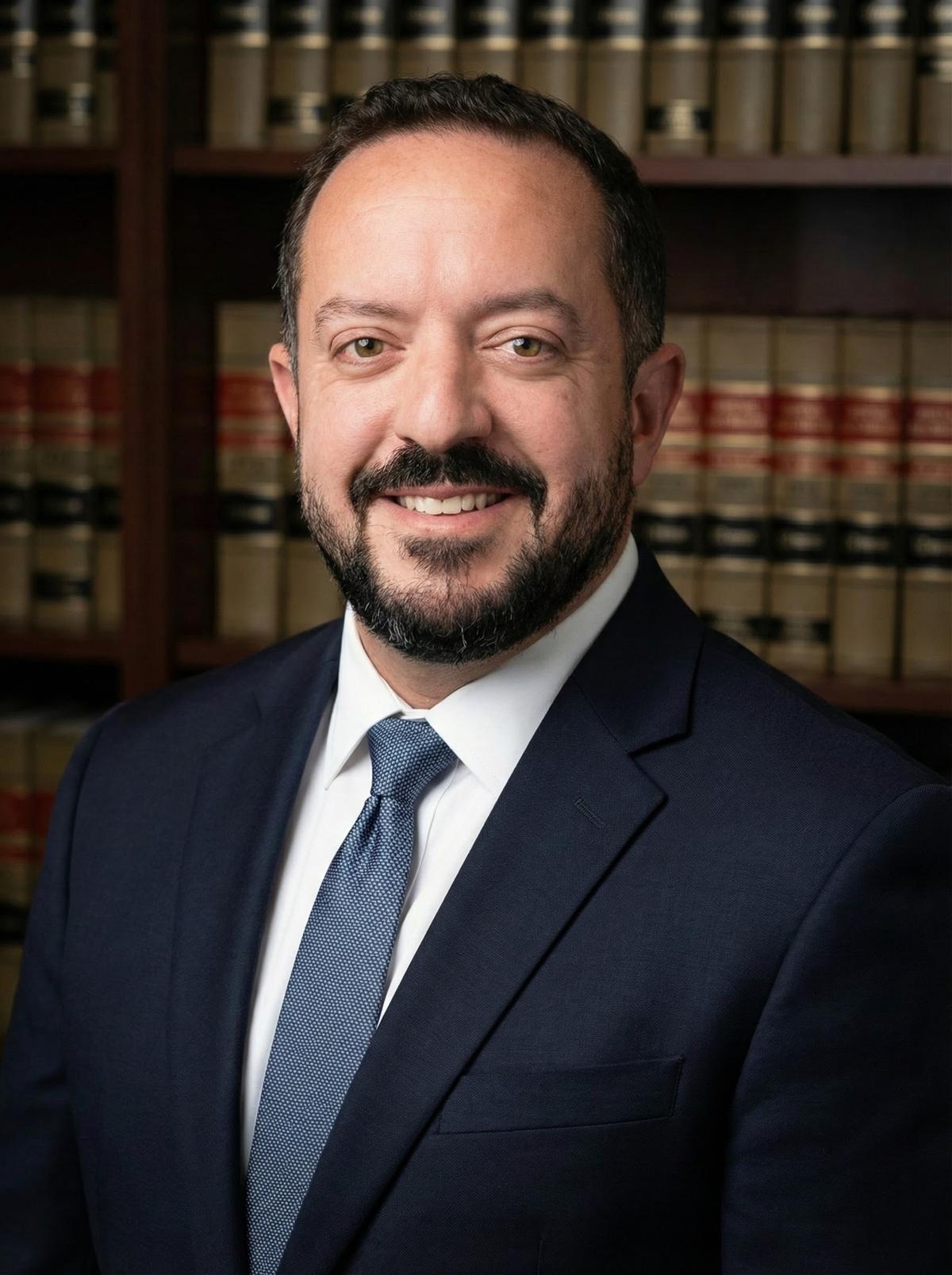
Addison works directly with Tribal leaders on difficult institutional questions. The firm aims to provide an answer that is legally grounded, candid about uncertainty, useful in practice, and protective of the government's long-term authority.
D. Colby Addison's practice includes Tribal governance, employment, contracts, economic development, jurisdiction, and significant disputes for governments and Tribal entities.
From leadership question to durable action
The work starts with the client's objective and ends with advice or documents leadership can use, explain, and preserve as part of the government's record.
Addison confirms the government or entity, authorized contacts, conflicts, scope, decision needed, practical objective, and timing. This protects the relationship and keeps the work focused on the client's interests.
The firm studies the controlling law and documents, resolves important factual gaps, identifies sovereignty and process concerns, and tests alternatives against operational consequences. Uncertainty is stated plainly rather than hidden.
The result may be advice, a revised agreement, a resolution, an investigation step, a negotiation strategy, or a litigation plan. Leadership receives the reasons, tradeoffs, and next actions in usable form.
Straight answers
These answers are a starting point. The right next step depends on what happened, who was involved, and when.
Addison advises Tribal governments and Tribal entities on governance, workforce decisions, agreements, projects, investigations, and disputes. Advice is tailored to the client's own law, structure, documents, and leadership goals.
Yes. A Bartlesville-area matter may involve Tribal, federal, state, county, or city authority. Addison begins with the specific client, decision, documents, parties, transaction, and desired result, then identifies what governs. Leadership does not need to settle that question before calling.
Yes. The firm advises Tribal governments and entities on policies, investigations, accommodations, discipline, separation, leadership duties, and significant employment disputes. The work is shaped by the client's law, governing documents, facts, and institutional goals.
Send the complete agreement, attachments, amendments, procurement record, approvals, authority documents, signature pages, relevant correspondence, performance history, dispute provisions, and the decision now required. Identify any deadline or active proceeding at the outset.
Yes. Early work may clarify authority, improve a policy or agreement, structure an investigation, preserve evidence, support negotiation, or identify a safer course. Preventive advice is often most useful before positions harden.
Keep exploring
Bartlesville resources
These links provide background on the local services and records discussed above. They cannot decide a particular matter or replace advice based on the complete facts.
Begin with the institution's decision
Share the exact Tribal client, authorized contacts, governing documents, practical objective, existing dispute, and next required date. Addison can identify a focused path for the assignment.