Falls and dangerous property conditions
Water, ice, uneven surfaces, poor lighting, unsafe stairs, missing rails, debris, or neglected repairs may cause severe harm. Photos, measurements, complaints, video, and control can matter.
Injury help for Broken Arrow
Addison helps people and families after unsafe property, dangerous conduct, defective conditions, and other serious events cause lasting harm. Medical care comes first. The legal work then preserves the scene, identifies responsibility, and documents how the injury changed work, independence, and family life.
Addison Law Firm's only office is in Oklahoma City. The firm serves Broken Arrow-area clients and can meet by phone, video, or arrangement.
For injured people and families
Appointments, pain, lost wages, transportation, child care, and insurance paperwork can consume ordinary life. Addison starts with those pressures and builds the claim around the recovery the person is actually experiencing.
Injury matters the firm evaluates
A place name or incident report does not answer the case. The condition, conduct, warnings, control, prior knowledge, medical cause, and practical losses must be investigated together.
Water, ice, uneven surfaces, poor lighting, unsafe stairs, missing rails, debris, or neglected repairs may cause severe harm. Photos, measurements, complaints, video, and control can matter.
A dangerous product, machine, service, activity, or supervision may involve several organizations. Preserve the item and its condition when possible.
Brain or spinal injury, fractures, burns, surgery, nerve damage, disfigurement, or chronic pain may affect work and independence. Future care and household changes require proof.
A death changes family roles and finances. Addison investigates responsibility while documenting the person's life, relationships, services, expenses, and legally recognized losses.
How Addison develops the case
Addison protects physical and digital proof, determines who controlled the relevant risk, and follows medical recovery. The firm prepares for disputes about notice, causation, prior health, responsibility, and the value of long-term loss.
Photos, video, measurements, warnings, surveillance, reports, witnesses, inspection records, repairs, and complaints can show the condition when the injury occurred.
Addison reviews ownership, occupancy, maintenance, repairs, staffing, inspections, leases, contracts, work orders, and communications before assigning responsibility.
Records, imaging, restrictions, referrals, rehabilitation, medication, opinions, and the recovery account help connect the event to injury while addressing prior conditions.
Future care, earning ability, household help, travel, pain, mobility, relationships, grief, and independence should be supported by records and testimony.
After a recent injury
The condition may change before the full injury is understood. A measured early response preserves what exists while leaving medical and legal conclusions to later evidence.
Seek appropriate evaluation and move away from an ongoing hazard. Follow medical instructions and return for worsening symptoms. Keep discharge papers, referrals, prescriptions, restrictions, and appointment details.
Preserve photographs, video, measurements, witness contacts, incident papers, clothing, footwear, damaged property, equipment, receipts, and messages. Do not repair, discard, clean, or alter important physical evidence before getting advice when preservation is practical.
Report necessary facts, but do not guess about fault, diagnosis, duration, prior health, or future recovery. Keep every insurer letter, authorization, payment explanation, benefits statement, bill, and claim number.
A Broken Arrow injury
An injury may happen at a store, apartment, workplace, public facility, transit setting, school, health facility, roadway, sidewalk, or privately operated site. Save the full address or map pin, entrance, room or area, incident number, signs, uniforms, receipts, and every organization name.
Broken Arrow includes more than one county and several public and private systems. You do not need to determine ownership before speaking with a lawyer. Addison will verify the location, identify the likely evidence, and investigate who had responsibility for the condition or activity.
When it is safe and lawful, capture wide views showing the route and lighting, medium views showing warnings and surroundings, and close views showing texture or damage. Preserve original files and note any later repair or removal.
A manager, security provider, contractor, property owner, public body, insurer, and nearby business may hold different records. Keep the incident number and note every camera, witness, employee, vehicle, and repair activity you observed.
Record treatment, symptoms, sleep, mobility, work, household tasks, missed events, help received, and improvement without dramatic language. Specific examples are more useful than repeating that every day was terrible.
Why Addison
Addison prepares injury cases for disputed responsibility, medical causation, insurance defenses, and close examination. Clients receive direct advice about proof, risk, treatment documentation, damages, and the choices that affect recovery.
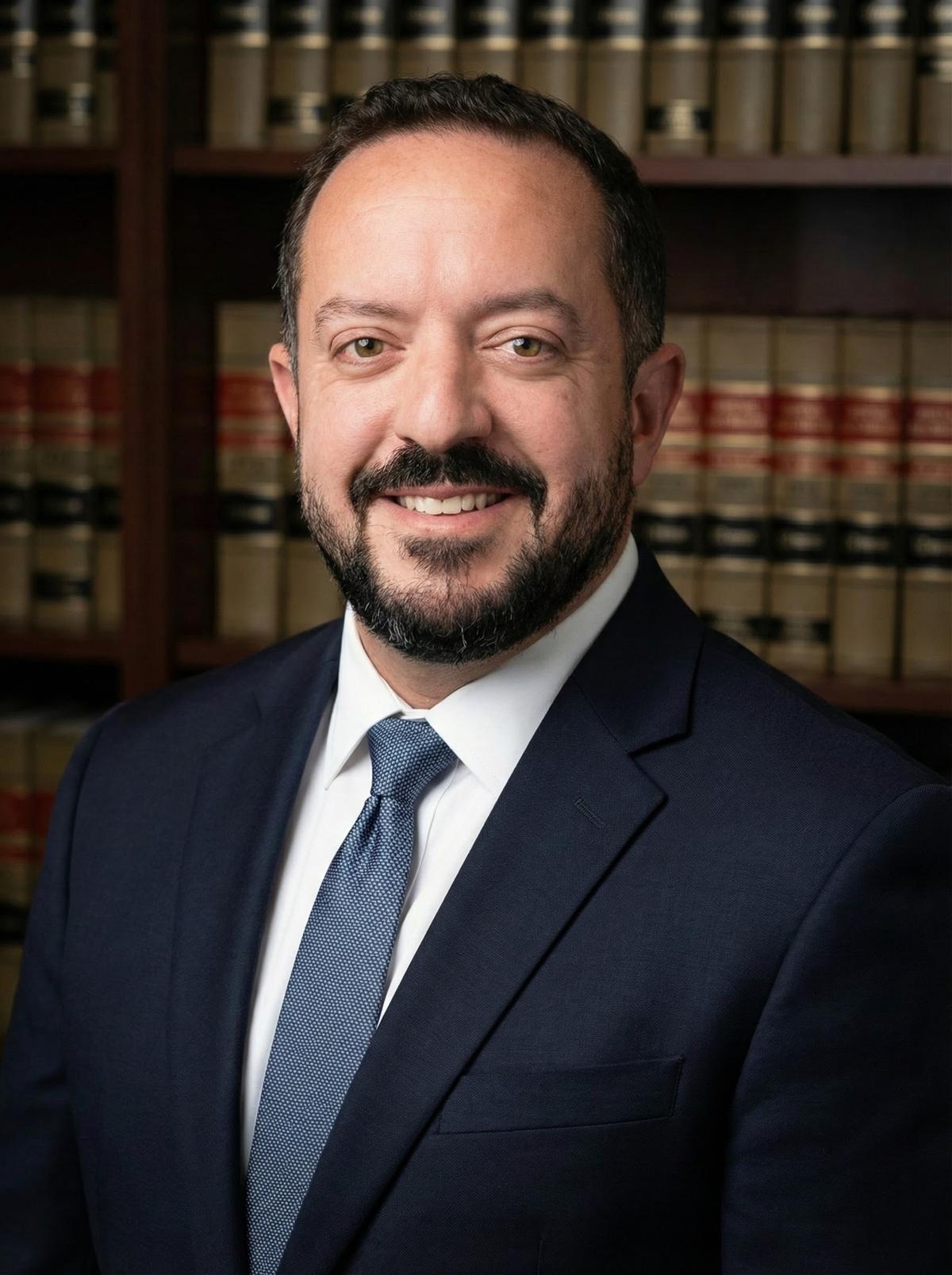
D. Colby Addison is an Oklahoma trial lawyer representing injured people and families in severe-injury and wrongful-death matters involving complex facts, several organizations, and lasting loss.
What follows an inquiry
Addison begins with the injury, current medical needs, and the changing scene. The firm then tests responsibility, causation, available insurance, and whether a claim can make a meaningful difference.
Provide the date, exact place, photographs, incident information, witness names, treatment status, work impact, insurance contacts, and urgent family needs. Complete original records are more useful than a polished narrative.
The firm examines the condition or conduct, control, warnings, prior knowledge, physical proof, medical cause, insurance, defenses, and practical losses. It also identifies facts that may be used against the claim.
Addison explains evidence work, treatment documentation, insurer communication, damages proof, expert needs, and possible representation. If accepted, scope and fees are confirmed in writing and the plan changes as recovery becomes clearer.
Straight answers
These answers are a starting point. The right next step depends on what happened, who was involved, and when.
Address safety and medical needs first. Preserve the exact location, original photographs, incident papers, witness contacts, condition or item involved, treatment instructions, and insurance communication. Avoid guessing about responsibility or signing a release before the injuries and available proof are understood.
No. An owner, tenant, manager, employer, contractor, public body, service provider, or equipment company may have different responsibilities. Addison reviews control, maintenance, warnings, notice, conduct, contracts, and the event-date condition before reaching a conclusion.
Keep your original photographs, video, measurements, witness names, incident report, and notes about when you observed the change. Do not trespass or create a new hazard to gather proof. Later repair raises evidence questions that should be handled carefully.
Follow appropriate treatment and use concrete examples. Record sleep, mobility, work, household tasks, driving, caregiving, missed events, help received, setbacks, and improvement. Medical records and a factual activity history are stronger than exaggerated descriptions.
Disclose it. Prior records may help distinguish the person's earlier health from a new injury or aggravation. Hiding a prior condition can damage credibility, while complete records allow medical professionals and counsel to evaluate causation honestly.
Keep exploring
Broken Arrow resources
These links provide background on the public services, roads, and legal materials discussed above. They do not decide what happened in a particular matter or replace advice based on the complete facts.
Begin with the injury and changing proof
Share the exact place, original images, incident papers, treatment status, work impact, and next important date. Addison can help you choose a careful next step.