Governance, codes, and official action
Addison aligns proposed action with constitutions, charters, codes, resolutions, delegations, procedures, ethics rules, and documented approval.
Counsel for Tribal governments and entities
Addison advises Tribal governments and Tribal entities on governance, employment, agreements, economic development, investigations, negotiations, jurisdiction, and consequential disputes. The work begins with the institution's authority, desired result, governing documents, and the people responsible for carrying the decision forward.
Addison Law Firm's only office is in Oklahoma City. The firm serves Broken Arrow-area clients and can meet by phone, video, or arrangement.
For Tribal leadership and institutions
A sound legal answer is only useful if leadership can authorize it, staff can implement it, and the record supports it later. Addison ties legal analysis to governance, relationships, resources, timing, and institutional responsibility.
Institutional work the firm handles
The best time for counsel is often before positions harden. Addison helps leadership clarify authority, compare risk, improve the written record, and choose a course that serves the government's long-term purpose.
Addison aligns proposed action with constitutions, charters, codes, resolutions, delegations, procedures, ethics rules, and documented approval.
Employment and investigations require attention to Tribal law, delegated authority, fairness, evidence, and operational needs.
Early review of contracts and transactions protects sovereignty, authority, performance, remedies, and implementation.
Jurisdictional disputes require the exact government, entity, parties, instruments, facts, and current authority.
How Addison serves the institution
Addison identifies the client precisely, confirms who may instruct counsel, and learns the result leadership needs. Advice addresses authority, legal risk, operations, relationships, communication, and the written record needed to support action.
Addison confirms the represented institution, who may instruct counsel, required approval, and privileged communication.
Governing documents, policies, contracts, prior actions, land information, and court papers are checked together.
Addison explains legal and operational tradeoffs so leadership can make an informed, practical decision.
Advice becomes a workable resolution, policy, agreement, investigation plan, negotiation position, filing, or communication.
Before a consequential decision
Leadership can often improve the legal position by slowing down long enough to confirm authority and gather the complete record. Urgent operational needs should still be identified at once.
State what leadership must decide, what success looks like, who is affected, and when action is needed. Separate immediate safety or operational needs from longer-term legal and relationship goals.
Collect the constitution, code, charter, resolutions, policies, contracts, amendments, land records, notices, communications, insurance material, and court papers that bear on authority and implementation. Preserve versions and signatures.
Identify the governing body, executive, board, authorized representative, and any required vote or written approval. Avoid informal commitments that outrun delegated authority or prevent counsel from giving the institution candid advice.
Broken Arrow-area Tribal counsel
Broken Arrow spans Tulsa and Wagoner Counties, but those boundaries do not establish land status, Tribal authority, ownership, immunity, waiver, or the proper court. A responsible analysis begins with the exact government and entity, parcel or event, parties, governing documents, and requested result.
The Muscogee (Creek) Nation District Court is a real sovereign institution in the region. Its presence does not mean every Broken Arrow dispute belongs there. Addison verifies the governing Nation, land and entity status when relevant, court authority, and current law without relying on geographic shorthand.
A government, enterprise, authority, board, department, and individual official are not interchangeable. Charters, codes, resolutions, contracts, tax records, insurance papers, and court captions can confirm the legal name and role that matter.
When land status matters, obtain the legal description, deeds, trust or restricted-status material, title records, maps, leases, and relevant transaction papers. A Broken Arrow address or county map cannot supply the legal conclusion by itself.
Keep the caption, summons, filings, exhibits, orders, service proof, docket information, and received dates. Tribal, state, and federal systems have their own authority and procedures. A deadline or response route should be confirmed from the actual papers and current rules.
Why Addison
Addison approaches Tribal representation as service to a government or entity with its own authority, relationships, and public responsibilities. The firm gives direct advice, prepares durable records, and remains attentive to implementation.
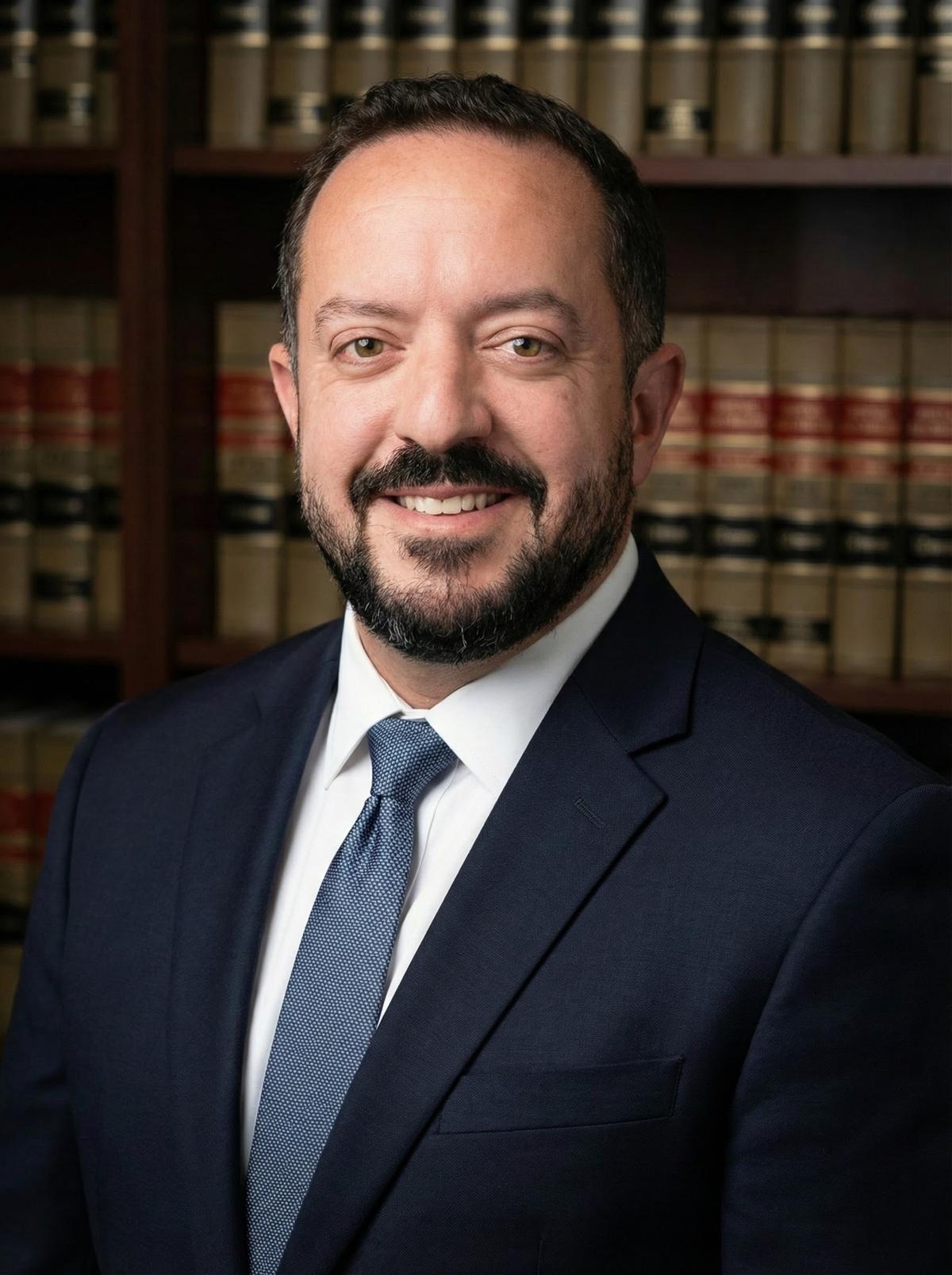
D. Colby Addison advises Tribal governments and Tribal entities on governance, employment, agreements, economic development, investigations, negotiations, jurisdictional questions, and litigation.
What follows an inquiry
Addison begins with the client, authority, desired outcome, and decision date. The legal analysis is then developed around the governing record and the institution's real operating conditions.
Share the exact institution, decision, affected relationships, desired result, urgent risk, key documents, and who may instruct counsel. If authority is uncertain, identify that issue at the beginning.
The firm reviews governing documents, relevant land and parties, agreements, prior actions, evidence, sovereignty, jurisdiction, remedies, defenses, and procedural requirements. Missing facts and competing interpretations are stated plainly.
Addison helps prepare approvals, policies, agreements, notices, investigation steps, negotiation positions, or litigation strategy. Responsibility and communication are assigned so the legal answer functions in daily operations.
Straight answers
These answers are a starting point. The right next step depends on what happened, who was involved, and when.
Addison represents Tribal governments and Tribal entities after conflicts, authority, and the requested scope are confirmed. The client is identified precisely in writing because a government, department, enterprise, board, and individual official may have different interests and responsibilities.
No. City and county labels do not establish the governing Nation, land status, ownership, jurisdiction, immunity, waiver, or proper court. Those questions depend on the exact parcel or event, parties, entity, claim, governing documents, and current law.
Bring the proposed decision, desired result, exact organization and party names, governing documents, resolutions, contracts, amendments, important communications, notices, court papers, and dates. Identify who may instruct counsel and approve action.
Yes. Early review can address authority, scope, payment, performance, termination, insurance, data, land, dispute procedures, governing law, and any proposed waiver. It also gives leadership time to compare business leverage and implementation risk.
Yes. Governance advice, careful investigation, policy work, contract drafting, documented decision-making, and focused negotiation can preserve options and relationships. If litigation becomes necessary, that earlier work can support a more coherent institutional position.
Keep exploring
Broken Arrow resources
These links provide background on the public services, roads, and legal materials discussed above. They do not decide what happened in a particular matter or replace advice based on the complete facts.
Start with the government's responsibility
Share the Tribal government or entity, source of authority, key papers, people affected, practical goal, and decision date. Addison can help turn those facts into a workable legal course.