Force causing significant injury
Strikes, restraints, weapons, falls, vehicle contact, or delayed care may leave physical and psychological injury. Medical timing and original recordings can be central.
Civil-rights help for Claremore
Addison evaluates serious harm involving force, search, detention, retaliation, or treatment in custody. Begin with what was done, what injury or loss followed, and whether another case or hearing is still active. Preserve the original recording, paper, or photograph that best fixes the sequence.
Addison Law Firm's office is in Oklahoma City. The firm serves Claremore-area clients by phone, video, or arrangement.
For people and families
A person dealing with pain, fear, court dates, or lost work needs a workable path. Addison starts with the lived sequence and builds outward only where the evidence requires it. The client should understand why each additional record or question matters.
Serious encounters the firm reviews
A disturbing interaction is not automatically a viable case. The review focuses on what happened, who personally participated, the authority claimed, and the concrete injury that followed. Related court or complaint proceedings are considered without allowing them to replace the civil analysis.
Strikes, restraints, weapons, falls, vehicle contact, or delayed care may leave physical and psychological injury. Medical timing and original recordings can be central.
A home, vehicle, phone, money, or personal property may be searched, taken, retained, or damaged. Keep inventories, receipts, warrants, photographs, and return communications.
Booking, housing, medical requests, protection concerns, isolation, or release can create separate events. Record names, locations, requests, responses, and changes in health.
Speech, reporting, recording, petitioning, or refusing an improper demand may be followed by punishment. The order of events and stated reasons deserve careful review.
How Addison develops the record
Civil-rights work often depends on several partial accounts. Addison compares original media, documents, medical proof, witness information, and official material against the sequence the client experienced. Conflicts are identified early so investigation can focus on the points that may change the result.
The timeline records each command, response, search, use of force, restraint, transfer, medical request, release, and later contact. Unknown names remain honestly unknown.
Body-camera video, dispatch audio, facility cameras, vehicle recordings, messages, and private video may follow different schedules. Requests must identify the item with useful detail.
Treatment, photographs, symptoms, counseling, missed work, expenses, property loss, and family observations can show what changed after the encounter.
Citations, charges, grievances, hearings, appeals, or administrative complaints may affect timing and strategy. Give counsel complete papers and the next scheduled date.
Before recordings or memory change
You do not need to confront anyone or conduct your own investigation. Protect health, preserve what already exists, and write down what you personally remember.
Describe symptoms, causes, and timing accurately. Keep discharge papers, referrals, prescriptions, photographs, restrictions, and reasons for any gap in care.
Keep names, badge or unit numbers, vehicle markings, report numbers, witness contacts, property receipts, hospital information, and the location of any seized item.
List the stated reason, commands, response, search, force, restraint, transport, care, release, and later communication. Separate direct memory from what someone else reported.
Claremore record paths
Claremore Police describes separate Records and Evidence functions. Save the report number, evidence receipt, camera reference, and the exact date, time, and place rather than assuming one request reaches everything.
Claremore city court information and Rogers County court records come from different offices. The caption and case number on the paper are more reliable than a familiar place name.
Save the address, room, entrance, vehicle, direction, nearby sign, and a map pin. Those details can identify cameras, witnesses, dispatch traffic, and medical response.
Keep the original phone video, photograph, audio, message export, and cloud copy. Editing, annotating, or forwarding may remove useful dates and file information.
Tell Addison about hearings, reporting requirements, bond terms, grievance dates, medical appointments, or requests for a statement before discussing long-range strategy.
Build one list for treatment and another for citations, hearings, filings, and conditions. Both may matter, but mixing them can hide gaps or missed dates.
Why Addison
Addison evaluates civil-rights matters with attention to the person harmed and the proof needed to explain the encounter. Accepted cases receive direct preparation for the disputes the evidence is likely to create. The firm does not ask a client to minimize difficult facts or pretend uncertainty does not exist.
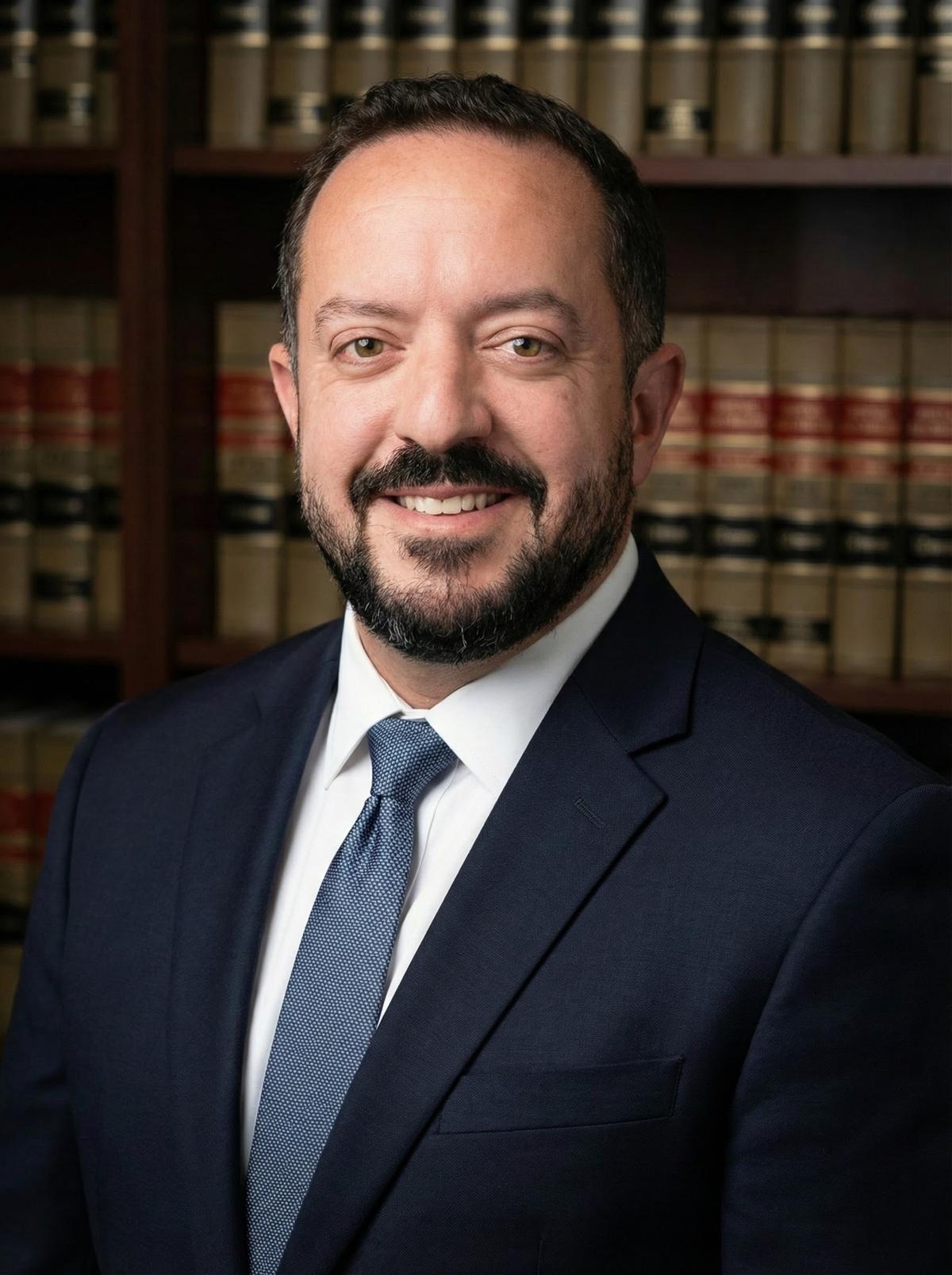
D. Colby Addison represents Oklahoma people in substantial civil-rights and constitutional disputes.
What happens in the first review
The opening review should identify the present injury, connected proceedings, strongest original evidence, missing material, and the next legal or practical date.
Begin with the reason given for the encounter and continue through release and later treatment. Say which details are uncertain.
Addison reviews available media, papers, witness information, medical proof, and related cases, then identifies the focused follow-up worth pursuing.
The firm explains important strengths, missing facts, timing concerns, and whether representation may be offered. Any engagement and fee terms are written.
Straight answers
These answers are a starting point. The right next step depends on what happened, who was involved, and when.
Keep original media, report and evidence numbers, property receipts, names or unit markings, witness contacts, medical papers, court documents, and a dated account of the sequence.
Do not assume it will. Police records, physical evidence, dispatch, court papers, medical charts, and private camera footage may be kept separately. Identify each item as precisely as possible.
No. A complaint may document what was reported, but a legal claim requires its own review of conduct, personal participation, injury, proof, available remedies, timing, and related proceedings.
Yes, immediately. Provide the complete papers, lawyer information, conditions, hearing date, and current status. Civil advice should not be separated from an active proceeding that may affect it.
Share the details you do know: clothing, badge or unit number, vehicle, location, shift, report heading, commands, and conduct. Missing names can be investigated; guessing creates avoidable problems.
Keep exploring
Claremore resources
These links provide background on the services and records discussed above. They do not decide a particular matter or replace advice based on the complete facts.
Put the sequence before the labels
Share the location, open case information, current injury, original media, and next date. Addison can identify whether a focused civil-rights review should continue and what follows.