Road and vehicle collisions
Cars, motorcycles, bicycles, pedestrians, work vehicles, and multiple impacts can create disputed accounts. Scene detail, vehicle damage, original media, and treatment timing help test them.
Injury help for Claremore
Addison represents people facing substantial physical injury, difficult treatment, lost income, and pressure from insurers. Begin with the event, what your body and daily routine can no longer do, and the next medical or insurance decision. The legal work should support an honest recovery.
Addison Law Firm's office is in Oklahoma City. The firm serves Claremore-area clients by phone, video, or arrangement.
For injured people and their families
Pain can change sleep, driving, parenting, work, household tasks, recreation, and independence. Addison develops the claim around those concrete changes and the medical proof that explains them. The person remains more important than the claim file.
Serious injuries Addison considers
The first question is not which category sounds best. It is how the incident occurred, who had control or responsibility, what injury followed, and what help the person now needs. Insurance and legal questions are built from that foundation.
Cars, motorcycles, bicycles, pedestrians, work vehicles, and multiple impacts can create disputed accounts. Scene detail, vehicle damage, original media, and treatment timing help test them.
Falls, falling objects, poor lighting, unsafe entrances, missing warnings, and hazardous work areas may depend on who created, knew about, or controlled the condition.
Machinery, tools, vehicles, contractors, maintenance, training, and several insurance arrangements may be involved. Save equipment details and every company name without assuming responsibility.
Brain injury, spinal damage, burns, amputation, complex fractures, and death affect future care, earning ability, independence, household work, and the family's long-term plans.
How Addison builds an injury claim
A sound claim explains why the incident happened, how it caused the injury, what care was reasonable, and what the person has lost. Addison develops each link from verifiable material and confronts alternative explanations rather than ignoring them.
Coordinates, wide and close photographs, measurements, weather, lighting, damaged items, vehicle positions, warnings, camera locations, and witness contacts may prevent later uncertainty.
Drivers, property businesses, contractors, equipment owners, maintenance providers, and insurers may have different roles. Names on reports, signs, agreements, and exchanges provide useful leads.
Records, imaging, referrals, prescriptions, restrictions, therapy, missed appointments, prior conditions, and later events should be addressed directly rather than selectively.
Wage records, job duties, receipts, travel, household assistance, photographs, family observations, and a factual recovery journal can show consequences that a bill alone cannot.
During the first days of recovery
An injured person should not be expected to investigate while in pain. Ask for practical help, obtain care, and secure the original material already available.
Report symptoms and limitations accurately, attend reasonable follow-up, and keep discharge papers, referrals, prescriptions, restrictions, imaging, and explanations for unavoidable gaps.
Keep photographs, video, messages, damaged property, clothing, vehicle information, receipts, report details, and insurance papers. Do not alter the only copy.
Note missed work, sleep, mobility, driving, childcare, household help, pain changes, and important appointments. A factual note is better than dramatic language.
Claremore scene details
Claremore-area incidents may occur on Interstate 44, Route 66, state highways, city streets, county roads, parking areas, or private property. Save a map pin, direction, lane, entrance, and nearest marker.
A police report may record the event without deciding who maintained a road or controlled a property. Keep the report heading, photographs, property papers, repair information, and every organization named.
Write the report number on a copy of the scene map, then preserve original photographs and video separately. This reduces confusion about similarly named roads or entrances.
List each ambulance, emergency department, clinic, imaging center, pharmacy, therapist, and specialist with dates. Billing and medical records may come from different systems.
Keep letters, emails, claim numbers, authorizations, recorded-statement requests, estimates, and payment explanations. Note the date received and any response deadline.
Photograph damaged vehicles, clothing, equipment, flooring, or other items before repair or disposal. Keep estimates, invoices, tow records, and any request to inspect them.
Why Addison
Addison prepares serious injury matters with attention to medical causation, responsibility, insurance, and the long-term human cost. Accepted clients receive direct advice and careful development of disputed facts. The evaluation stays grounded in the recovery the records and witnesses can honestly support.
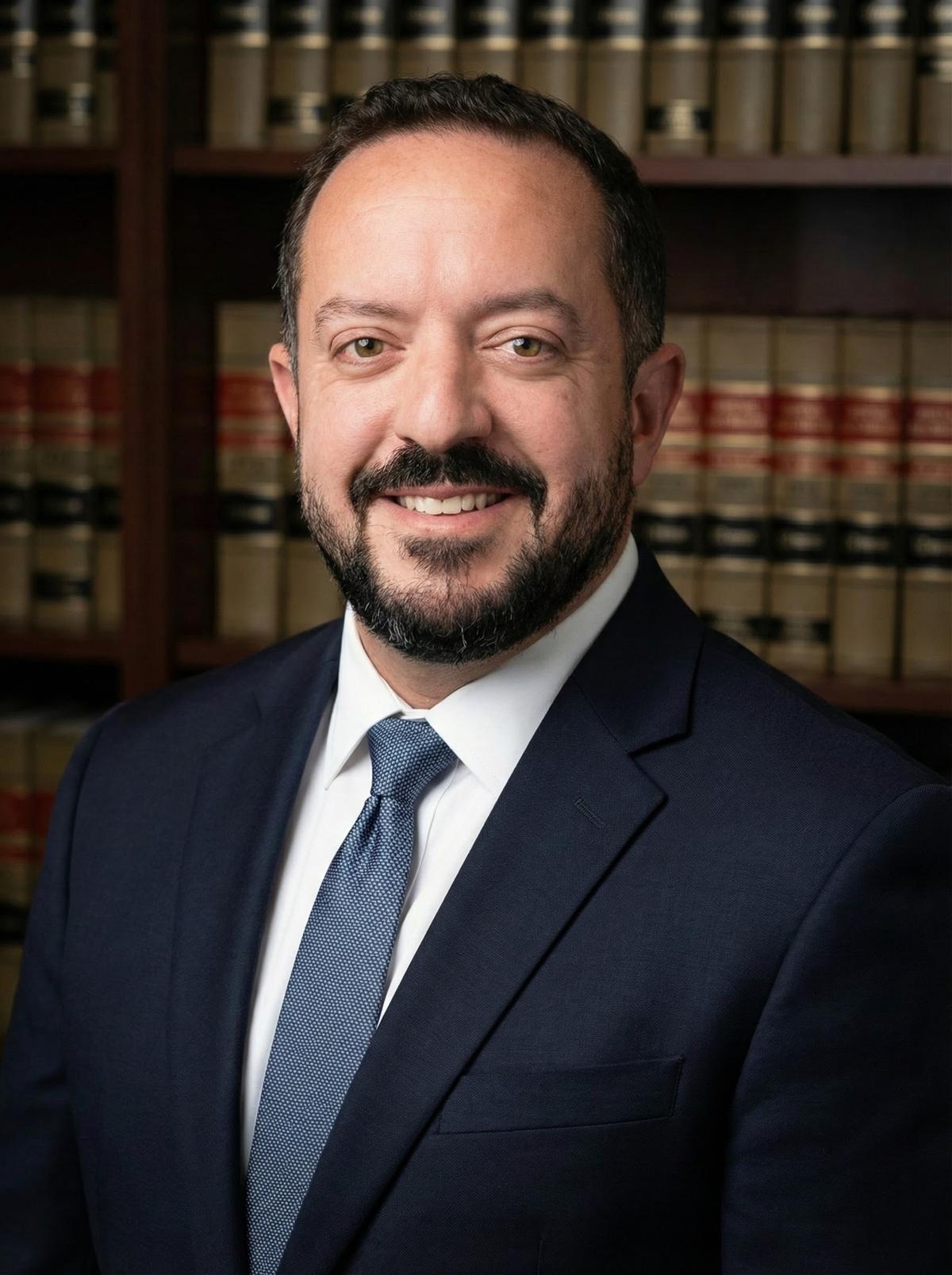
D. Colby Addison represents Oklahoma people and families in serious personal-injury and wrongful-death matters.
From the first record to a recovery plan
The scene, current diagnosis, original media, work effect, insurer contact, and next date usually provide enough to begin.
Share where it happened, what you remember, current treatment, missed work, insurance communication, and the hardest change in ordinary life.
Addison reviews scene proof, reports, involved people and businesses, insurance, medical history, treatment, and loss, then targets useful follow-up.
The firm discusses evidence needs, insurer communication, medical documentation, likely disputes, and available choices. Any offered representation and fee terms are written.
Straight answers
These answers are a starting point. The right next step depends on what happened, who was involved, and when.
Address safety and medical needs, preserve original scene material, obtain the report or incident number, keep insurance communications, and write a brief sequence while memory is fresh.
No. A report may identify people, statements, observations, and a location, but responsibility can require additional scene, property, vehicle, witness, company, and medical evidence.
Yes. Prior conditions and later events should be addressed honestly. Complete information allows counsel and medical professionals to evaluate what changed and prevents avoidable credibility problems.
Meet reasonable reporting duties, but do not guess about speed, fault, diagnosis, or future recovery. Keep the request and seek advice before signing broad authorizations or giving a detailed recording.
Work records, restrictions, receipts, household assistance, travel, photographs, family observations, and a factual recovery history may show lost earnings, independence, and daily function.
Keep exploring
Claremore resources
These links provide background on the services and records discussed above. They do not decide a particular matter or replace advice based on the complete facts.
Begin with the life that changed
Share the event location, present care, original scene material, work effect, insurer contact, and next date. Addison can help identify the first practical recovery priority. The review can then address treatment, income loss, transportation, insurance, and the burden on your family.