Tractor-trailer impacts
Rear-end collisions, turns, lane changes, jackknifes, rollovers, and loss of control can cause devastating injury. Record the tractor and trailer separately whenever possible.
Truck-crash help for Claremore
Addison represents people seriously hurt by tractor-trailers, delivery vehicles, work trucks, buses, and other commercial vehicles. Begin with your health, the exact crash location, the vehicle and company details you have, and the next insurance or family decision. Prompt work can protect changing evidence.
Addison Law Firm's office is in Oklahoma City. The firm serves Claremore-area clients by phone, video, or arrangement.
For injured people and grieving families
Treatment, transportation, missed work, insurance calls, and caregiving often arrive together. Addison organizes the investigation around recovery and the choices the family must make now. The client should not have to decode commercial relationships while healing.
Commercial crashes the firm reviews
A tractor-trailer passing through, a delivery van on a route, and a work truck leaving a job site create different records. The evaluation follows the actual trip rather than a generic checklist. Each business relationship is tested against documents and vehicle identifiers.
Rear-end collisions, turns, lane changes, jackknifes, rollovers, and loss of control can cause devastating injury. Record the tractor and trailer separately whenever possible.
Vans, box trucks, utility units, and company pickups may be traveling between stops or performing assigned work. Scheduling, supervision, maintenance, phone use, and insurance may matter.
Backing, loading, blocked views, construction traffic, unsafe entrances, and yard activity may involve roadway and property evidence. Signs, equipment markings, and access records can help.
Brain and spinal injury, burns, amputation, crushing trauma, fractures, and death affect future care, earning ability, independence, household work, and family plans.
How Addison develops the case
A truck crash can generate physical, electronic, medical, and business proof. Addison identifies the systems tied to the particular vehicle, driver, route, load, and companies. Preservation is focused on likely evidence instead of sending an unexplained list everywhere.
Save coordinates, direction, lane, mile or intersection reference, nearby entrance, traffic control, weather, lighting, debris, final positions, cameras, and tow destination.
The driver, tractor, trailer, shipment, maintenance, and insurance may involve different businesses. Plates, unit numbers, logos, shipping papers, exchanges, and registrations help separate the roles.
Logs, engine events, telematics, cameras, dispatch, route history, inspections, maintenance, driver material, cargo documents, phone information, and site access may change or disappear.
Medical records, imaging, restrictions, rehabilitation, wages, expenses, household changes, and honest notes about better and worse days show how the collision altered the person's life.
In the first days after a heavy impact
An injured person does not need to solve the commercial relationships from a hospital room. Preserve what exists and let the investigation expand from reliable details.
Follow new or worsening symptoms, keep discharge papers, referrals, prescriptions, restrictions, imaging, and appointment records, and report how the injury affects ordinary activity.
Preserve original photographs, dash-camera files, phone location history, witness contacts, report information, tow details, company markings, and insurance papers.
Meet reasonable reporting duties, but avoid estimates about speed, distance, fault, diagnosis, or future recovery. Keep every authorization and recorded-statement request.
Claremore commercial corridors
Claremore-area traffic includes Interstate 44 and the Will Rogers Turnpike, Route 66, state highways, county roads, city streets, rail crossings, and business entrances. Preserve the segment, direction, lane, and nearest marker.
A route name does not establish which company operated the vehicle or who kept the relevant road, trip, or property records. Save the report heading and every identifier visible at the scene.
When it is safe, capture plates, vehicle numbers, company names, United States Department of Transportation number, placards, cargo seals, tires, lights, damage, and the full combination.
Police, ambulance, tow, repair, road, and insurance systems may assign separate numbers. Preserve every card, receipt, claim reference, vehicle location, and contact.
The tow yard, repair facility, inspection site, salvage location, and cargo destination may become important. Keep names, addresses, dates, and authorization papers.
For Interstate 44 or the Will Rogers Turnpike, keep the direction, nearest interchange, mile reference, toll or travel record, work-zone signs, and responding-unit information.
Why Addison
Addison treats medical recovery and the crash investigation as connected work. Accepted matters receive focused preparation involving the trip, companies, equipment, electronic information, insurance, causation, and long-term loss. Questions about prior health and uncertain scene details are handled directly.
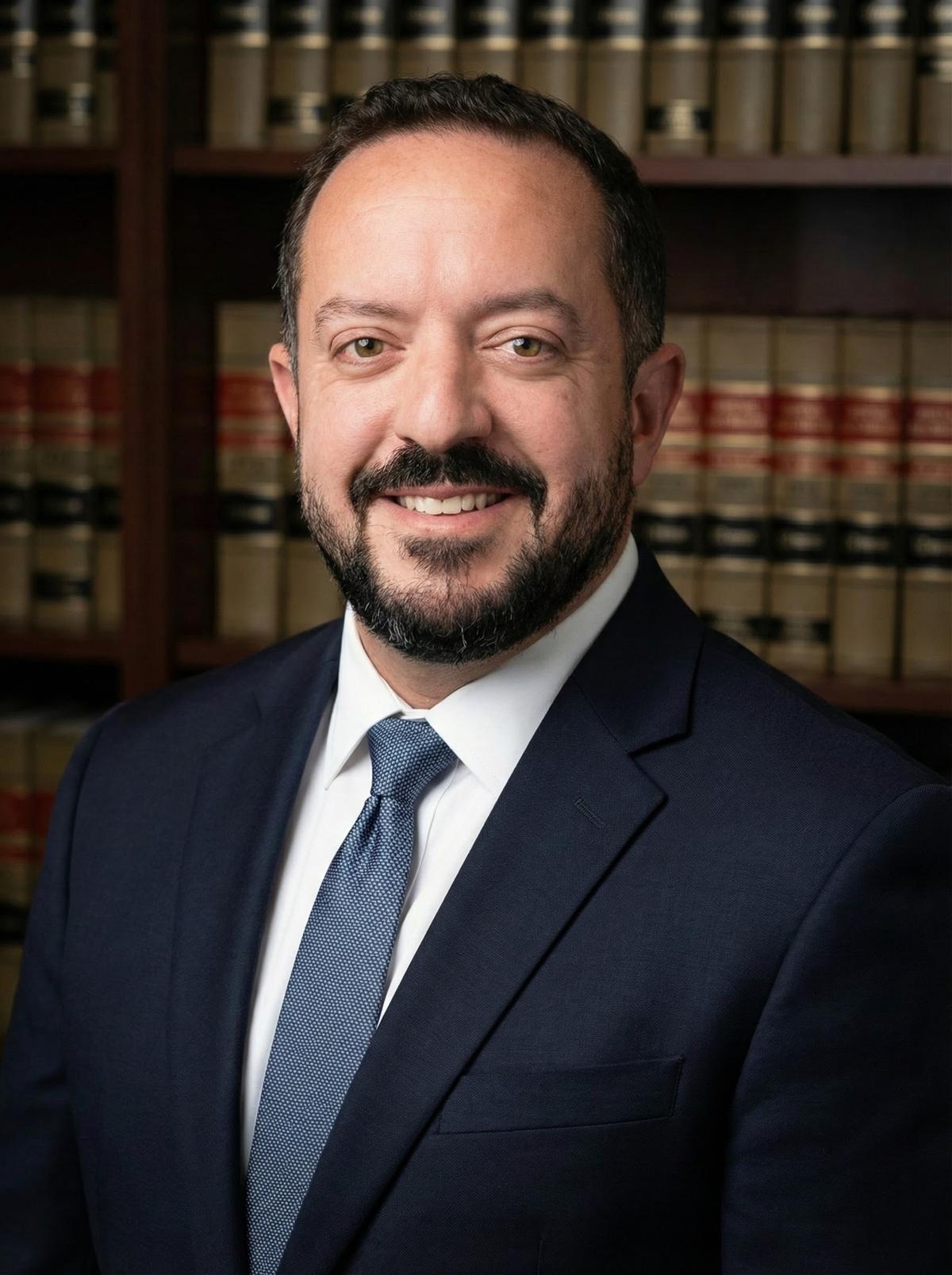
D. Colby Addison represents Oklahoma people and families in serious commercial-vehicle and catastrophic-injury matters.
From collision day to an informed recovery strategy
The crash location, vehicle identifiers, original media, current medical condition, insurance contact, and immediate dates provide a dependable beginning.
Share the date, precise place, report number, vehicle details, treatment, work effect, insurance messages, and the family's next pressing decision.
Addison investigates the driver, vehicles, companies, route, available data, witnesses, insurance, and medical connection, then shapes focused preservation requests.
The firm explains evidence, insurer communication, treatment documentation, loss proof, and likely disputes. Any offered representation, fees, and responsibilities are written.
Straight answers
These answers are a starting point. The right next step depends on what happened, who was involved, and when.
The trip may involve several businesses and specialized records concerning the driver, equipment, route, load, dispatch, maintenance, and insurance. Early identification can matter even before responsibility is known.
Keep tractor and trailer plates, company and unit names, United States Department of Transportation number, placards, cargo details, driver exchange, insurance, report number, tow location, and original media.
No. It may help identify a business and provide background, but it must be matched to the correct driver, vehicle, trip, date, companies, scene evidence, and conduct.
Logs, engine data, telematics, dispatch, cameras, route information, inspection files, maintenance records, and private video may exist in separate systems with different retention practices.
Proof may include records, imaging, restrictions, rehabilitation, medical opinions, wage information, household changes, receipts, and a factual recovery history. Prior conditions should be disclosed.
Keep exploring
Claremore resources
These links provide background on the services and records discussed above. They do not decide a particular matter or replace advice based on the complete facts.
Bring the crash and recovery into one review
Share the precise location, vehicle and company details, original media, report, treatment, insurer contact, and next date. Addison can identify the first preservation and recovery priorities. That review can connect commercial evidence to treatment, income loss, and family needs.