Governance and institutional authority
Constitutions, charters, codes, resolutions, delegations, appointments, ethics rules, prior actions, and the current objective should be read together before leadership acts.
Counsel for Tribal institutions serving people and communities
Addison advises Tribal governments and Tribal entities on governance, personnel, agreements, development, services, and significant disputes. A Clinton connection does not identify a Nation, parcel, participant, immunity question, court, or governing law.
Addison Law Firm's office is in Oklahoma City. The firm serves Clinton-area clients by phone, video, or arrangement.
For authorized leaders, boards, and administrators
A vote, executive decision, contract, or personnel action can affect programs, employees, finances, relationships, and later administrations. Addison helps leadership verify authority, compare choices, create a dependable record, and support implementation.
Institutional matters that need disciplined counsel
Addison serves Tribal governments and Tribal entities on decisions affecting governance, people, resources, relationships, and sovereign interests. The work begins with the client and authorized decision-maker, not geography.
Constitutions, charters, codes, resolutions, delegations, appointments, ethics rules, prior actions, and the current objective should be read together before leadership acts.
Personnel decisions may involve authority, leadership roles, policy, operations, documentation, and fair process. Counsel helps authorized officials compare choices and record the institution's decision.
Projects and agreements require correct parties, approvals, performance terms, payment, remedies, sovereign protections, and responsible administrators. Advice should address financing and operations as well as text.
A dispute may turn on parties, entity status, land, governing law, immunity, consent, service, prior proceedings, tribunal authority, remedies, and implementation. Addison does not infer those answers from Clinton geography.
How Addison supports institutional decisions
Addison organizes the governing record and operational facts. Counsel then helps leadership choose language and procedure the client can adopt, explain, administer, and revisit when circumstances change.
Addison reads the constitution or charter, code, resolutions, delegations, appointments, ownership records, policies, and minutes to identify decision-makers and required approvals.
Each option is reviewed with governing text, prior action, budget, staffing, services, counterparties, timing, sovereign interests, remedies, and implementation responsibility in view.
Resolutions, agreements, policies, notices, minutes, instructions, signatures, and exhibits should use consistent names, authority, dates, approvals, and defined responsibilities.
Leadership should know who communicates, performs, stores records, monitors compliance, raises concerns, and reports back. The record should explain the authority, information considered, and action taken.
Before leadership commits the institution
A short, accurate decision record helps counsel focus quickly. Preserve competing drafts and identify what leadership must decide, who may decide it, and what operations will change.
Identify the government or entity seeking advice, the responsible body or office, delegated officials, existing counsel, affected departments, and the person coordinating documents.
Collect constitutional or charter text, codes, resolutions, delegations, appointments, policies, minutes, ownership material, agreements, notices, and current court or agency papers.
Describe the service, workforce, financial, development, governance, litigation, or relationship outcome leadership seeks. Add budget, staffing, timing, counterparties, and implementation constraints.
Clinton geography does not decide Tribal legal questions
A Clinton address, Custer County reference, federal clinic, workplace, family connection, or Tribal name does not establish Indian country, citizenship, land status, entity status, authority, jurisdiction, immunity, consent, exhaustion, or the proper court.
Start with exact legal names, coordinates or legal descriptions, deeds and trust material, charters, ownership records, citizenship evidence when relevant, codes, resolutions, agreements, waivers, licenses, employment papers, and complete court files. Obtain each item from the institution that created it.
Clinton City, Custer County, state offices, federal agencies, Tribal governments, Tribal entities, employers, contractors, and private parties remain distinct. A cooperative program or nearby facility does not merge authority, records, responsibility, or legal status.
Record the precise government, entity, department, board, enterprise, program, official title, and contracting party. Similar names can hide important legal differences.
Keep coordinates, legal descriptions, deeds, trust material, title records, leases, maps, and event-date ownership documents. Do not assign land status from a mailing address.
Keep adopted text, amendments, resolutions, minutes, notices, approvals, signatures, exhibits, service, receipts, and later implementation records with their dates.
Identify who retained counsel, who may instruct counsel, who receives counsel's communications, and who may approve action. Location does not answer those questions.
Why Tribal institutions work with Addison
Addison gives authorized Tribal leaders direct advice on authority, continuity, workforce, development, services, and public responsibility. The firm prepares consistent records, focuses on implementation, and addresses sovereign interests throughout. Advice is tied to the client's governing framework, available resources, institutional relationships, and the people who must carry the decision forward.
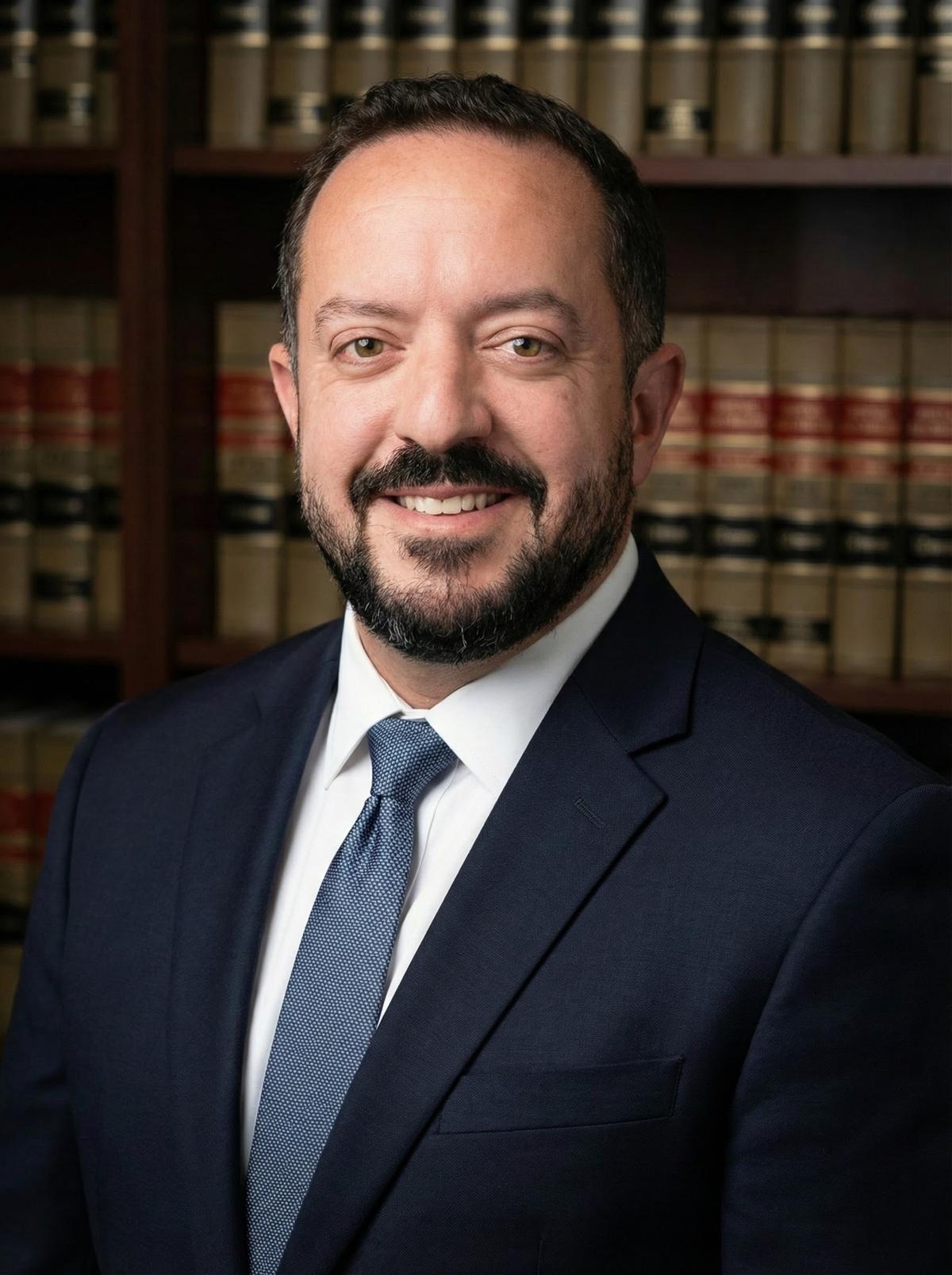
D. Colby Addison advises Tribal governments and Tribal entities on governance, employment, commercial, regulatory, and litigation matters.
From authority to implementation
Tribal counsel begins with the client, authorized officials, objective, governing record, and practical limits. It should end with clear approvals, documents, responsibility, monitoring, and a record that later leadership can understand.
Counsel reviews governing text, delegations, appointments, prior action, ownership, client instructions, and required participation before recommending language or procedure.
Leadership receives a clear account of supporting authority, uncertainty, operational consequences, costs, staffing, relationships, sovereign interests, implementation needs, and available remedies.
Final documents should reflect correct names, authority, approvals, dates, signatures, obligations, remedies, communication, records responsibility, monitoring, and escalation.
Straight answers
These answers are a starting point. The right next step depends on what happened, who was involved, and when.
No. Exact land, parties, entity status, citizenship facts when relevant, governing documents, contracts, prior proceedings, and current authority must be reviewed. Geography alone does not choose the law or court.
Gather the constitution or charter, code, resolutions, delegations, appointments, ownership material, policies, minutes, agreements, notices, court papers, and a clear description of the decision and desired result.
Yes. Addison advises Tribal governments and Tribal entities on authority, policy, complaints, investigations, leave, discipline, separation, documentation, and implementation within the scope of an accepted engagement.
No. Exact parties, entity status, ownership, governing law, charter provisions, agreements, waivers, resolutions, conduct, and current authority require review. The name alone decides none of those issues.
Clear authority, correct legal names, consistent documents, stated reasons, assigned responsibilities, realistic resources, communication, recordkeeping, monitoring, and a defined path for questions or change.
Keep exploring
Clinton resources
These links give background on the offices, records, roads, and legal materials discussed above. They cannot answer a specific legal question without the complete facts.
Bring the authority and the institutional objective
Share the exact client, authorized officials, governing documents, parties, current drafts, operational constraints, and the action now under consideration.