Force or dangerous restraint
Describe the commands, distance, position, duration, tools used, visible injuries, breathing or mobility problems, medical response, witnesses, and what occurred immediately before and after the force.
Civil-rights help after a serious public encounter
A detention, search, use of force, property seizure, retaliation, or denial of care can create immediate harm and lasting uncertainty. Addison helps people preserve the sequence and evaluate the responsible next step.
Addison Law Firm's only office is in Oklahoma City. The firm serves Duncan-area clients by phone, video, or arrangement.
For people seeking accountability after public conduct
A uniform, vehicle, report heading, dispatch channel, or detention place may not tell the whole story. Record the commands, responses, searches, restraint, force, transport, release, medical needs, and follow-up without assigning every participant to one organization.
Events that deserve a careful factual review
The legal analysis depends on the people, authority, sequence, injury, and available proof. These examples are starting points for describing the event, not conclusions about a claim or outcome.
Describe the commands, distance, position, duration, tools used, visible injuries, breathing or mobility problems, medical response, witnesses, and what occurred immediately before and after the force.
Record the reason stated, location, length of detention, questions, searches, property taken, handcuffing, transport, booking, release terms, citations, and every paper or receipt provided.
Preserve intake information, requests for help, symptoms, medication, diet or mobility needs, responses, housing changes, grievances, witness names, transfers, release records, and treatment obtained afterward.
Keep the speech, complaint, recording, gathering, request, or other activity; proof it was known; the response; any stated reason; later restrictions or punishment; and the practical harm that followed.
A civil-rights review built from specific conduct
Addison organizes the event person by person and moment by moment. The review identifies missing recordings or records, traces supervision and policy only where evidence supports it, and evaluates injury and procedure under current law.
Arrange calls, arrival, commands, questioning, searches, restraint, force, transport, booking, custody, care, release, complaints, court events, and later contact by time. Mark estimates and preserve the basis for each detail.
Use badges, uniforms, vehicles, dispatch identifiers, report headings, signatures, court papers, jail records, employer information, and body-camera references. A joint response does not prove one employer, assignment, policy, or responsibility.
Keep original phone media, messages, clothing, photographs, medical images, evidence receipts, camera locations, report numbers, witness contacts, and social-media material. Preserve an untouched copy before making excerpts or annotations.
Review current law, claimed authority, personal participation, policy evidence, causation, notice questions, and immunity issues. Then assess medical effects, income loss, property damage, prior proceedings, and remedies the proven facts may support.
After a serious encounter
Safety and appropriate medical care come first. Once immediate needs are addressed, preserve original evidence and write a factual account while the sequence remains fresh. Avoid editing files or filling memory gaps.
Tell providers how the event occurred, when symptoms began, and how they changed. Follow reasonable instructions, photograph visible injuries over time, and keep restrictions, prescriptions, referrals, and bills.
Back up phone video, photographs, audio, texts, call logs, location history, and downloaded files. Keep metadata and surrounding conversation. Do not crop or overwrite the only copy.
List who arrived, what was said, each search or restraint, force used, property taken, transport, custody, requests for help, release, witnesses, and the first resulting harm.
Duncan civil-rights details
Duncan Police, Stephens County offices, State personnel, emergency responders, contractors, providers, and private people may participate in different roles. Copy badge and vehicle marks, agency names, report headings, dispatch numbers, jail papers, and court captions exactly as they appear.
The City publishes a Police complaint form and a separate open-records process. Municipal Court, Stephens County, State District Court, providers, and private camera owners maintain other material. One request may not reach every recording, report, message, or medical record.
A local program, government relationship, or Nation reference does not establish a participant's identity, employer, authority, or governing process. Preserve the original record first. Specific organizational facts should come from the document, assignment, agreement, or reliable institutional source.
Note names, badge numbers, unit markings, uniforms, equipment, arrival order, assignments stated, and words used. Photograph visible identifiers when lawful and safe.
Save coordinates, address, road or property, room or cell, entrances, lighting, sight lines, camera positions, traffic controls, nearby businesses, and witness vantage points.
Keep dispatch, incident, arrest, booking, evidence, citation, complaint, grievance, medical, and court numbers. Record when a request was sent, what it sought, and the response received.
Preserve booking and release papers, medication information, requests for care, provider instructions, photographs, bills, restrictions, and a dated account of symptoms before and after custody.
Civil-rights counsel should test the evidence honestly
Addison evaluates serious public conduct without replacing facts with slogans. Advice addresses the client's objective, strength of proof, unsettled identity or authority questions, medical and practical consequences, procedural risk, expense, and realistic choices.
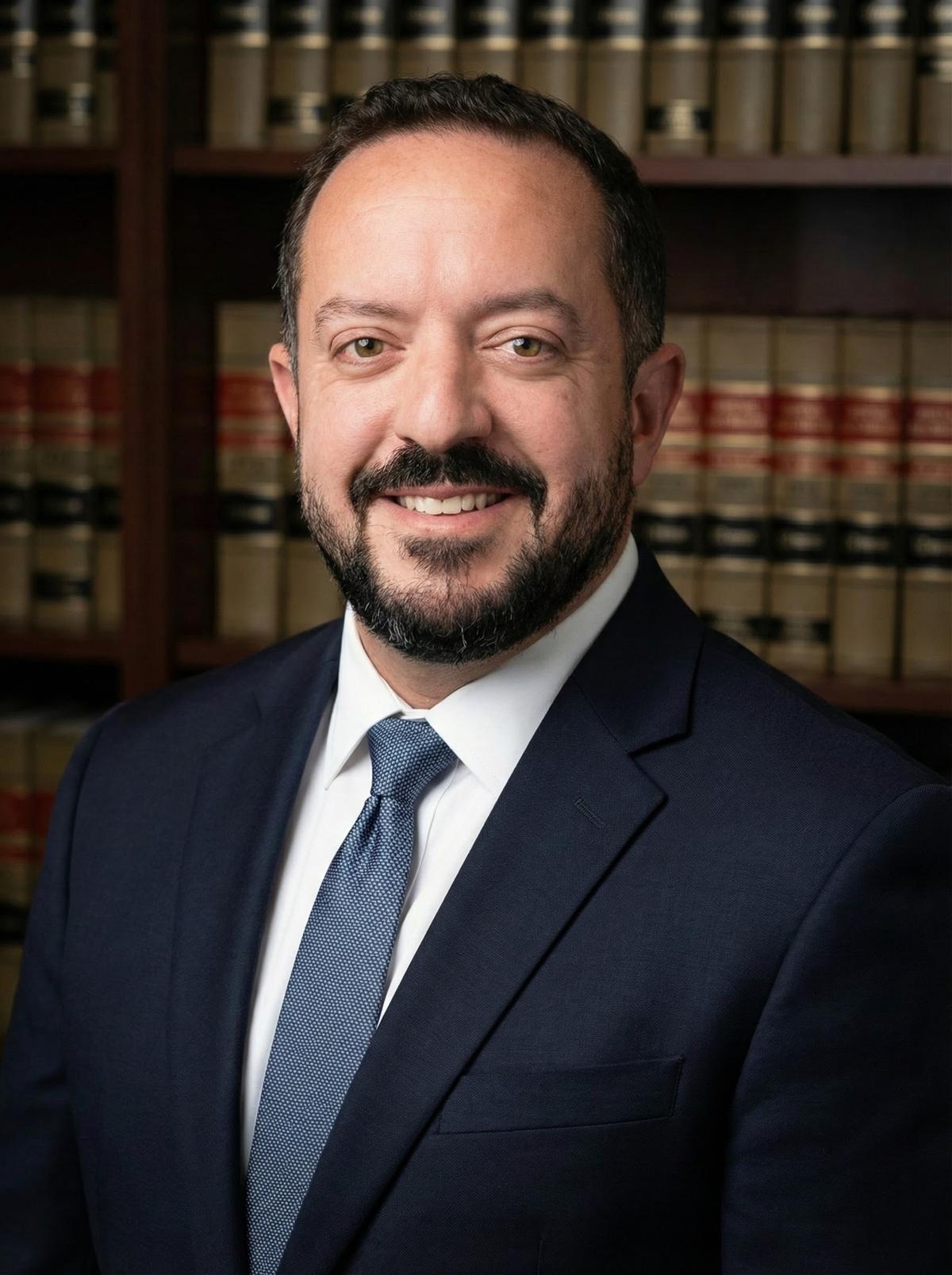
D. Colby Addison represents Oklahomans in significant civil-rights matters when the firm accepts the engagement and the facts support responsible legal action.
From a difficult encounter to a supported response
The opening review focuses on health, changing evidence, and the next procedural event. Addison then separates individual conduct, identifies the organizations and records involved, and tests the available proof under current law.
Use the client's account, original media, witnesses, reports, dispatch information, citations, custody papers, medical material, and later communication. Place uncertainty beside the point it affects.
Identify the specific City, County, State, provider, contractor, court, device, or private source likely to hold a record. Define the date range, identifiers, native format, and evidence needing prompt preservation.
Compare the developing evidence with claimed authority, participation, policy, causation, notice, immunity, procedure, deadlines, remedies, and practical costs. Any accepted engagement defines scope in writing.
Straight answers
These answers are a starting point. The right next step depends on what happened, who was involved, and when.
Record the location, time, people, visible identifiers, commands, your responses, searches, restraint, force, transport, custody, requests for help, property taken, witnesses, release, injuries, and later contact. Mark estimates clearly.
Possible sources include dispatch, the organization employing each participant, vehicles or body cameras, booking facilities, courts, providers, nearby businesses, homes, phones, and device platforms. Identify each source separately.
Complaint procedures may preserve an issue or create a record, but they can have consequences and may not replace other steps. Keep the complete form, instructions, submission, attachments, and proof of receipt.
Seek appropriate care, photograph visible injuries over time, follow provider instructions, and keep medical records, imaging, prescriptions, bills, restrictions, missed-work proof, and concrete examples of changed activity.
Bring original media, a dated account, exact location, report and case numbers, custody papers, complaint materials, and witness names. Add medical records, property receipts, employment loss, court documents, and the next deadline.
Keep exploring
Duncan and official resources
These links identify public offices, records, roads, and legal material that may provide background. The right source depends on the person, organization, place, document, and date.
Begin with the sequence and the next date
Share the precise location, original media, visible identifiers, reports, custody papers, witnesses, medical care, property loss, court documents, and next deadline. Addison can identify the first preservation questions.