Loading
Loading
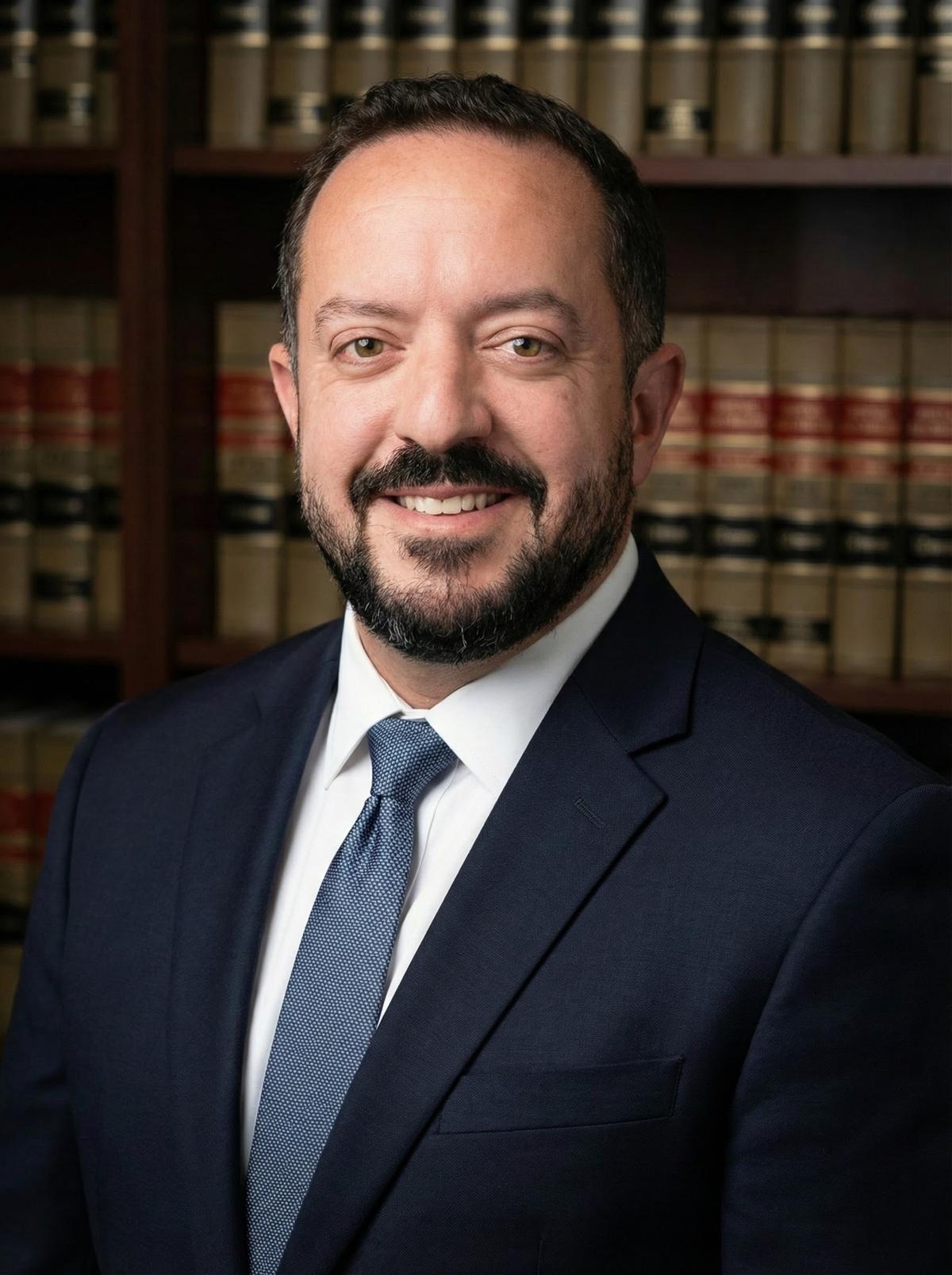
Duncan sits within Chickasaw Nation boundaries. Our founding attorney serves as a Tribal Supreme Court Justice, bringing unique expertise to jurisdictional questions and tribal matters.
The Chickasaw Nation is one of Oklahoma's major tribes, with its own courts, laws, and government. Duncan's location within Chickasaw territory means tribal law questions frequently arise.
Tribes are sovereign nations with their own courts, laws, and government. Understanding Chickasaw Nation's unique structure is essential.
Our founding attorney serves on a Tribal Supreme Court, providing unique insight into how tribal courts operate and rule.
We approach tribal matters with respect for tribal culture, history, and the unique relationship between tribes and the federal government.
From sovereignty defense to jurisdictional questions, we bring Tribal Supreme Court experience to complex matters.
Constitution drafting, code development, and tribal court system design.
Determining which court—tribal, state, or federal—has authority
Issues involving Chickasaw Nation businesses and employment
Contracts and disputes involving tribal entities
Navigating tribal sovereign immunity in civil matters
Representation in Chickasaw Nation and other tribal courts
In Oklahoma, particularly in Chickasaw territory, three sovereigns exercise authority: the federal government, the State of Oklahoma, and tribal nations. Understanding which sovereign's law applies is critical.
Waiving sovereign immunity isn't surrendering power — it's exercising it. Learn why tribes choose to consent to suit and what it means.
Cross-deputization agreements let tribal and local officers enforce each other's laws, reshaping jurisdiction and sovereignty in post-McGirt Oklahoma.
The Supreme Court confirmed the Muscogee reservation was never disestablished. But what does that mean? And why doesn't it apply to every tribe in Oklahoma?
Contact us for a consultation about your tribal law matter. Our Tribal Supreme Court Justice experience makes the difference.