Passenger and vehicle collisions
Cars, pickups, motorcycles, farm equipment, and commercial vehicles may leave scene photographs, vehicle data, witness accounts, reports, repair records, and several insurance contacts.
Injury counsel for the Guymon area
Addison helps people whose injuries disrupt treatment, work, transportation, and family life. Begin with the exact scene, how the harm occurred, the first medical visit, insurance contact, and the strongest original photographs or papers. The early goal is a reliable record, not a rushed conclusion about responsibility.
Addison Law Firm's office is in Oklahoma City. The firm serves Guymon-area clients by phone, video, or arrangement.
For injured people and their families
Pain, appointments, missed work, damaged property, travel, and insurance calls can overwhelm the person who was hurt. Addison starts with health and immediate stability. The legal review then connects the event to scene evidence, medical chronology, insurance information, and losses the household can document without turning recovery into a second full-time job.
Serious harm the firm evaluates
A highway collision, dangerous property condition, defective product, animal incident, or third-party workplace injury can involve distinct evidence and insurance. The review asks what happened, what caused the harm, who had control, and how treatment and daily function changed afterward.
Cars, pickups, motorcycles, farm equipment, and commercial vehicles may leave scene photographs, vehicle data, witness accounts, reports, repair records, and several insurance contacts.
Falls, falling objects, poor lighting, broken surfaces, missing warnings, or dangerous access may change quickly after an incident. Photograph the condition and surrounding area without entering danger.
Equipment, maintenance, delivery, construction, or another company's conduct may contribute to an injury. Preserve the product, labels, serial information, contracts within reach, and names of witnesses.
Pain, concussion symptoms, mobility problems, or emotional effects may develop over time. Report symptoms accurately and follow medical advice instead of exaggerating or minimizing the change.
How Addison develops the injury file
The firm organizes the event, responsible relationships, insurance, medical course, and damages as separate questions. That structure helps reveal missing proof and keeps one disputed detail from obscuring the larger story of recovery. Advice is adjusted when records or treatment change the picture.
Photographs, measurements, map information, damaged items, witness details, reports, and nearby video are compared with the client's memory while the scene remains understandable.
Addison examines ownership, work relationships, contracts, maintenance, property papers, vehicle information, and insurance communications before assigning responsibility to any person or company.
Emergency care, imaging, referrals, therapy, medications, restrictions, missed visits, and earlier relevant conditions are arranged by date. Gaps receive explanation rather than silence.
Lost income, travel, household assistance, canceled activities, sleep, mobility, and family observations can explain effects that a clinical note may not capture fully.
The first reliable record matters
Do what health and safety require. Then protect the information already available without confronting anyone or attempting a private investigation.
Explain symptoms, onset, and change accurately. Keep discharge papers, referrals, prescriptions, restrictions, photographs, and instructions for follow-up.
Retain unedited scene, injury, property, and vehicle images with their original date information. Back them up before creating marked copies.
Record treatment, travel, missed work, assistance, symptoms, and activities affected. Short factual entries are more useful than dramatic estimates.
Guymon scenes require precise location details
The Guymon map identifies United States Highways 54, 64, and 412 and State Highways 3 and 136. A general route name can cover different directions, intersections, entrances, work areas, and surroundings. Save a map pin, lane, travel direction, nearby sign, property entrance, and wide photographs. Addison can use that detail to pursue the correct scene and roadway records.
Guymon Police records, Texas County court papers, County documents, and Oklahoma transportation material follow separate paths. Keep the full report heading and number, every court-page caption, insurance correspondence, medical records, and proof of when requests were made. One office or report does not contain the entire injury story.
Capture the full approach, direction, lane, shoulder, entrance, signs, lighting, weather, debris, and nearby cameras. Close photographs alone may hide the scene.
Save the report heading, number, responding unit, exchange sheet, citation, tow information, witness names, and any later correction or supplement.
Record providers, dates, referrals, transportation, lodging, missed work, and out-of-pocket expense. Distance can affect the practical course of recovery.
Keep vehicles, clothing, equipment, packaging, receipts, and repair material when safe and practical. Photograph condition before repair or disposal.
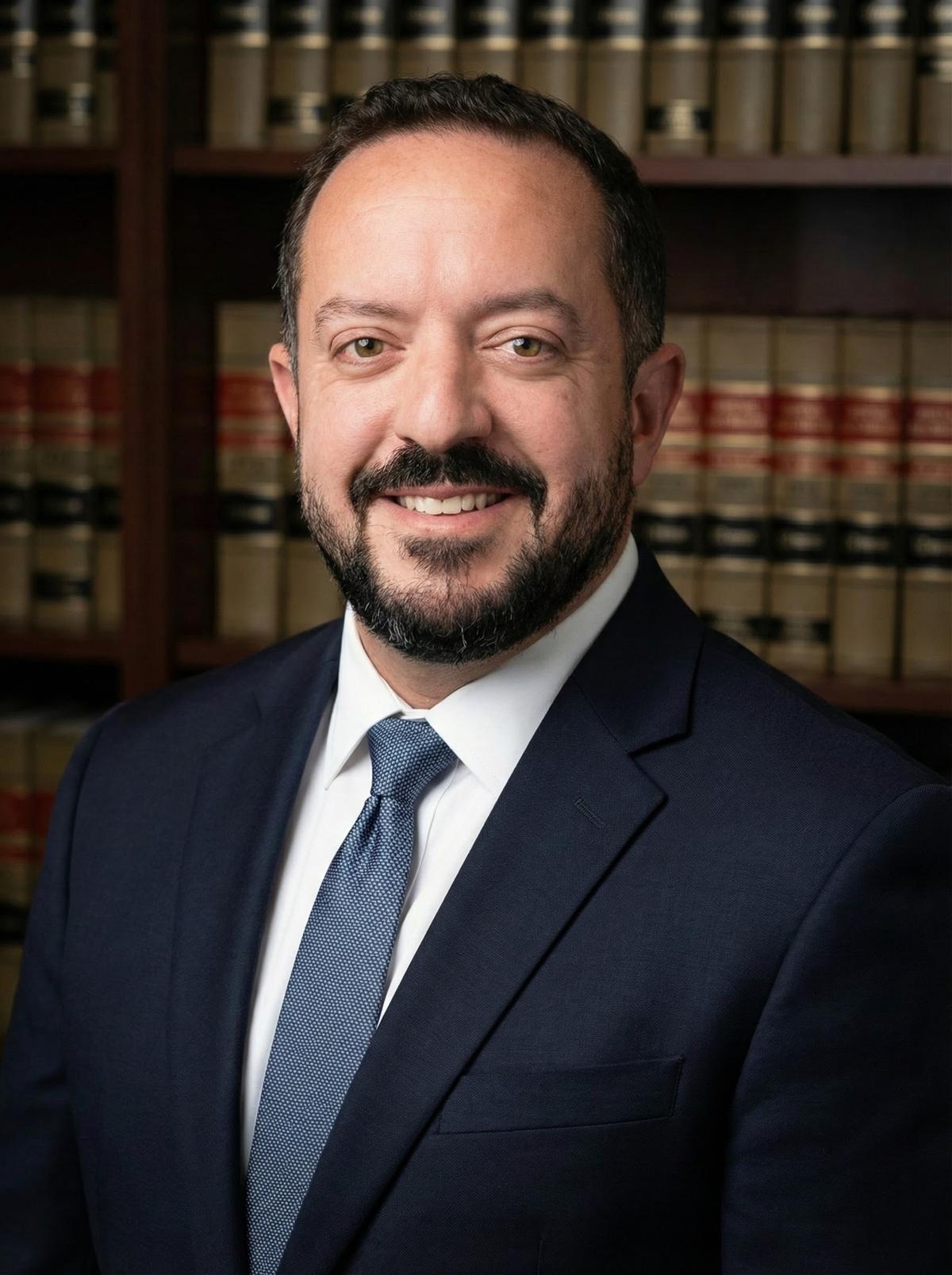
Why Addison
Addison develops serious injury matters with attention to both technical proof and the human work of recovery. The firm addresses difficult causation, medical history, and insurance issues openly. If representation is offered, the written agreement explains the work and the client's responsibilities.
The firm's injury work begins with careful listening, original records, and a realistic account of how daily life changed.
A claim built in stages
The matter develops as investigation and medical care progress. Early evidence is protected first, while longer-term loss is documented without forcing a premature ending.
Describe the place, movement, impact or condition, immediate symptoms, response, and first care. Mark any part learned later from another person or record.
Addison reviews scene material, reports, ownership and insurance information, witness accounts, treatment records, and damaged property for agreement and conflict.
Medical progress, restrictions, income effects, assistance needs, and future care are revisited. Decisions should follow the developed record rather than early pressure.
Straight answers
These answers are a starting point. The right next step depends on what happened, who was involved, and when.
Keep original scene and injury photographs, the report, witness contacts, damaged property information, insurance messages, complete medical instructions, bills, and a short factual chronology.
Understand who is requesting it, what policy is involved, whether it will be recorded, and what information already exists. Do not guess about injuries or events you cannot recall.
Tell the medical provider when each symptom began and how it changed. Preserve earlier messages, photographs, and activities that may help explain the progression accurately.
No single report answers every question. Scene evidence, witnesses, vehicle or property records, contracts, medical proof, and applicable law may add important context.
Keep schedules, pay records, restrictions, leave messages, attendance records, employer correspondence, and a calendar showing the hours or tasks the injury prevented.
Keep exploring
Guymon resources
These links provide background on the roads, offices, records, and legal materials discussed above. A particular matter still depends on its own people, documents, and sequence.
Begin with recovery and proof
Share the exact scene, first treatment, strongest original photographs, insurance contact, and the practical losses appearing now. Addison can identify the next evidence and recovery questions worth addressing.