Tractor and trailer collisions
The cab and trailer may have different owners, insurance, maintenance, and identifying numbers. Photograph both sides, plates, unit numbers, damage, markings, and any exchanged paperwork.
Commercial-crash counsel for Guymon
Addison investigates serious crashes involving tractor-trailers, delivery vehicles, agricultural haulers, and other commercial traffic. Start with the exact scene, vehicle and company identifiers, cargo papers, tow location, treatment, and original photographs. Several businesses may hold separate parts of the story long before responsibility is clear.
Addison Law Firm's office is in Oklahoma City. The firm serves Guymon-area clients by phone, video, or arrangement.
For people hurt in commercial crashes
The injured person may be dealing with emergency care, a damaged vehicle, missed work, and calls from unfamiliar insurers. Meanwhile, the tractor, trailer, driver, cargo, dispatch, maintenance, and electronic systems may belong to different businesses. Addison organizes those moving parts while the client concentrates on health and immediate family needs.
Commercial collisions the firm investigates
A long-haul tractor-trailer, livestock trailer, grain hauler, delivery truck, tanker, or oversized load can involve different equipment and company records. The inquiry begins with what actually appeared at the scene and follows verified names, numbers, documents, and data from there.
The cab and trailer may have different owners, insurance, maintenance, and identifying numbers. Photograph both sides, plates, unit numbers, damage, markings, and any exchanged paperwork.
Livestock, grain, feed, refrigerated freight, fuel, machinery, and large components may introduce loading, weight, securement, route, escort, cleanup, and ownership records.
A construction area, facility entrance, private drive, rail crossing, or loading yard may add traffic control, property, contractor, camera, and project information beyond the driver's records.
Hours, route timing, dispatch, phone use, brakes, tires, lights, inspection, and repair history may require separate proof. A citation or company explanation does not settle those questions.
How Addison develops the truck case
The firm separates the people, companies, vehicles, cargo, insurance, and roadway evidence. That work prevents a familiar logo or early report from becoming the whole story. Preservation and investigation focus on systems that could change, while medical and household losses are documented over time.
Driver information, carrier numbers, unit and trailer markings, plates, bills of lading, lease papers, dispatch records, and insurance exchanges can reveal separate roles worth investigating.
Electronic logs, engine data, telematics, cameras, dispatch, phones, and tracking systems may follow different retention practices. Requests should describe each system precisely.
Inspections, maintenance, repairs, tire and brake records, loading documents, weight, securement, route instructions, and delivery timing may explain decisions made before the crash.
Treatment, imaging, restrictions, wage loss, vehicle damage, household assistance, and communications from several insurers are organized without assuming one policy answers every loss.
Before vehicles and data change
Move to safety and obtain care first. Preserve what can be recorded lawfully without approaching traffic, entering equipment, or confronting the driver or company representatives.
Report symptoms and timing accurately. Keep discharge papers, referrals, prescriptions, restrictions, photographs, and instructions for follow-up care.
Save unedited scene, vehicle, cargo, road, injury, and witness photographs or video. Preserve date information and work from copies when adding notes.
Save calls, texts, emails, letters, forms, releases, repair contacts, and requests for a statement. Note who contacted you and which business they named.
Guymon freight routes need an exact scene
The Guymon transportation map identifies United States Highways 54, 64, and 412, plus State Highways 3 and 136. Those names help orient the investigation, but the usable detail is the map pin, direction, lane, intersection or entrance, shoulder, nearby signs, and final vehicle positions. Addison can trace the roadway and project records after that scene is fixed.
Guymon Police, Texas County offices, Oklahoma transportation records, carrier systems, tow records, and private cameras may each hold different material. Keep the report heading, tractor and trailer numbers, cargo paper, tow destination, witness contacts, and every insurance message. The client should not have to decide which company controls each data system before asking for help.
Capture plates, unit numbers, company names, carrier numbers, tractor and trailer markings, cargo labels, placards, damage, and insurance cards from a safe location.
Save coordinates, travel direction, lane, shoulder, intersection, entrance, traffic controls, debris, skid evidence, and where each vehicle stopped.
Retain bills of lading within reach, load descriptions, seal numbers, spill or cleanup details, tow company names, storage location, and repair communications.
Record each driver, carrier, owner, broker, shipper, maintenance provider, insurer, investigator, and caller exactly as identified. Keep their messages in separate threads.
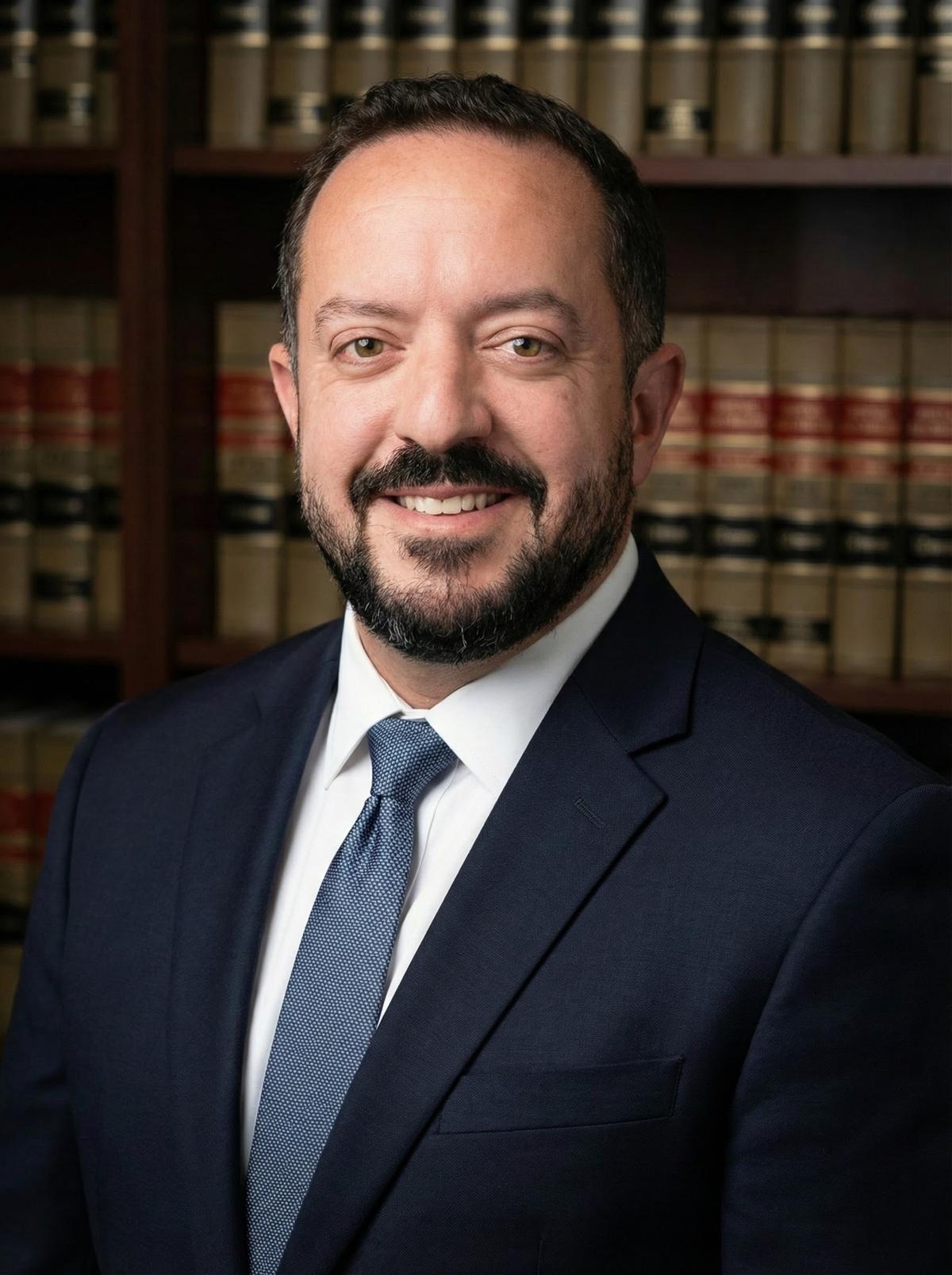
Why Addison
Addison approaches truck crashes as transportation cases, not enlarged car claims. The firm tests company roles and technical proof while keeping the injured person's treatment and daily loss central. If representation is offered, the written agreement explains the scope and responsibilities before work begins.
The firm's truck-crash work follows original identifiers, records, and data instead of relying on a logo or an early narrative.
From scene to transportation chain
The opening work protects the scene account and company identifiers. Investigation then develops vehicle, trip, cargo, maintenance, insurance, and medical proof in a deliberate order.
Describe the road, direction, traffic, weather, vehicle movement, impact, final positions, response, and treatment. Mark any detail learned later from another source.
Addison compares reports, identifiers, registration material, cargo papers, leases, dispatch, electronic data, inspection, maintenance, and insurance information.
Medical progress, work limits, transportation needs, damaged property, expenses, and household effects are updated as the evidence and treatment mature.
Straight answers
These answers are a starting point. The right next step depends on what happened, who was involved, and when.
Keep driver information, company names, carrier numbers, plates, tractor and trailer unit numbers, insurance cards, cargo documents, photographs, and the report heading.
Yes. The driver, carrier, vehicle owners, broker, shipper, loader, maintenance provider, employer, and insurers may have different roles. Records must establish those relationships.
Electronic logs, engine data, telematics, cameras, dispatch, tracking, phone, inspection, maintenance, and cargo systems may help explain the trip and equipment condition.
No. Registration and safety information can identify leads, but the crash still depends on its own driver, trip, equipment, cargo, scene, and company evidence.
Understand which insurer sent it, the requested information, released rights, medical authorization, property terms, and any recorded statement before deciding whether to sign.
Keep exploring
Guymon resources
These links provide background on the roads, offices, records, and legal materials discussed above. A particular matter still depends on its own people, documents, and sequence.
Begin with the truck and trip
Share the exact scene, tractor and trailer markings, company names, cargo papers, tow location, treatment, and original photographs. Addison can identify the changing evidence that deserves prompt attention.