Leadership power and governing rules
A constitution, code, charter, resolution, delegation, policy, or earlier decision may control who acts and how. Counsel can trace that authority before an action is announced.
Tribal counsel serving the Kingfisher area
Addison advises Tribal governments and Tribal entities on governance, workforce, contracts, development, authority, and significant disputes. Each assignment is built around the client organization, its authorized leadership, the concrete result sought, and the governing material that must support action.
Addison Law Firm's office is in Oklahoma City. The firm serves Kingfisher-area clients by phone, video, or arrangement.
Legal work for Tribal institutions
The Tribal government or entity is the client. Authorized leaders identify the problem, objective, and people who may direct the work. Clear lines at the outset protect the institution, keep personal interests separate, and make the final advice useful to those responsible for carrying it out.
Questions that reach leadership
Legal counsel can add the most value while choices remain open. A proposed vote, personnel action, agreement, project, or litigation position should be examined against current authority and the operational result leadership needs. The work stays concrete enough to guide an actual decision.
A constitution, code, charter, resolution, delegation, policy, or earlier decision may control who acts and how. Counsel can trace that authority before an action is announced.
Complaints, investigations, medical requests, discipline, separation, confidentiality, records, and internal communication may require coordinated advice before leadership chooses a response.
A transaction may affect funding, land, services, data, insurance, ownership, performance, approvals, remedies, and future relationships. Drafting should reflect how the deal will actually operate.
A demand, filed case, regulatory conflict, or intergovernmental problem may raise overlapping authority and procedure. Strategy should begin with the exact parties, claims, documents, and relief sought.
A practical counsel model
Addison organizes the assignment around the person empowered to decide, the text controlling that decision, and the steps needed after approval. The analysis also considers implementation, affected relationships, public communication, cost, and the consequences of waiting.
Written scope identifies the Tribal government or entity, authorized contacts, desired outcome, timing, and people permitted to instruct counsel or receive advice.
Counsel collects current constitutions, codes, charters, resolutions, policies, contracts, amendments, notices, approvals, and court papers with their dates, signatures, exhibits, and earlier versions.
Possible courses are tested against authority, approval requirements, financial exposure, operations, counterparties, available relief, and the effect of acting now or waiting.
The next deliverable may be a draft, negotiation plan, investigation step, meeting paper, litigation strategy, or written sequence assigning approvals, communication, and responsibility.
Build a leadership file before the next event
A short, orderly package can focus the first discussion on the pending action instead of opening every institutional question at once.
State who instructs counsel, who receives the work, and who approves the result. Identify related entities, counterparties, and personal interests that could require separate advice.
Include every page, exhibit, amendment, signature, adoption date, notice, earlier approval, and communication needed to understand both the present question and its history.
Explain what leadership wants to approve, negotiate, protect, implement, or resolve. Add the next meeting, response, funding, operational, or court date.
Place is only one part of the inquiry
Neither a Kingfisher mailing address nor the County name establishes land status, identifies a Nation, proves entity ownership, or selects governing law. Exact coordinates, legal names, and dated documents are needed before those questions can be answered.
Municipal, County, State, federal, and any properly identified Tribal systems have distinct authority and records. Preserve deeds, legal descriptions, trust papers, charters, codes, resolutions, agreements, notices, and full court filings before relying on geography.
List every government, department, enterprise, authority, board, subsidiary, counterparty, and individual capacity shown in the papers. Small name differences can reflect separate legal relationships.
Collect agendas, minutes, resolutions, delegations, signatures, amendments, earlier advice, and implementation records. Distinguish a proposal from an approval and an approval from execution.
Keep coordinates, legal descriptions, deeds, trust papers, leases, and useful maps. The physical location supplies evidence, but the address alone supplies no legal conclusion.
Save adoption dates, amendments, signatures, exhibits, archived copies, and proof of distribution. Comparing versions can show which language applied when leadership acted.
Why Addison
Addison works with Tribal governments and entities facing choices that affect people, money, authority, and long-term relationships. Legal analysis is paired with drafting, negotiation, investigation, or dispute planning as the assignment requires. The result is prepared for the leadership team responsible for carrying it forward.
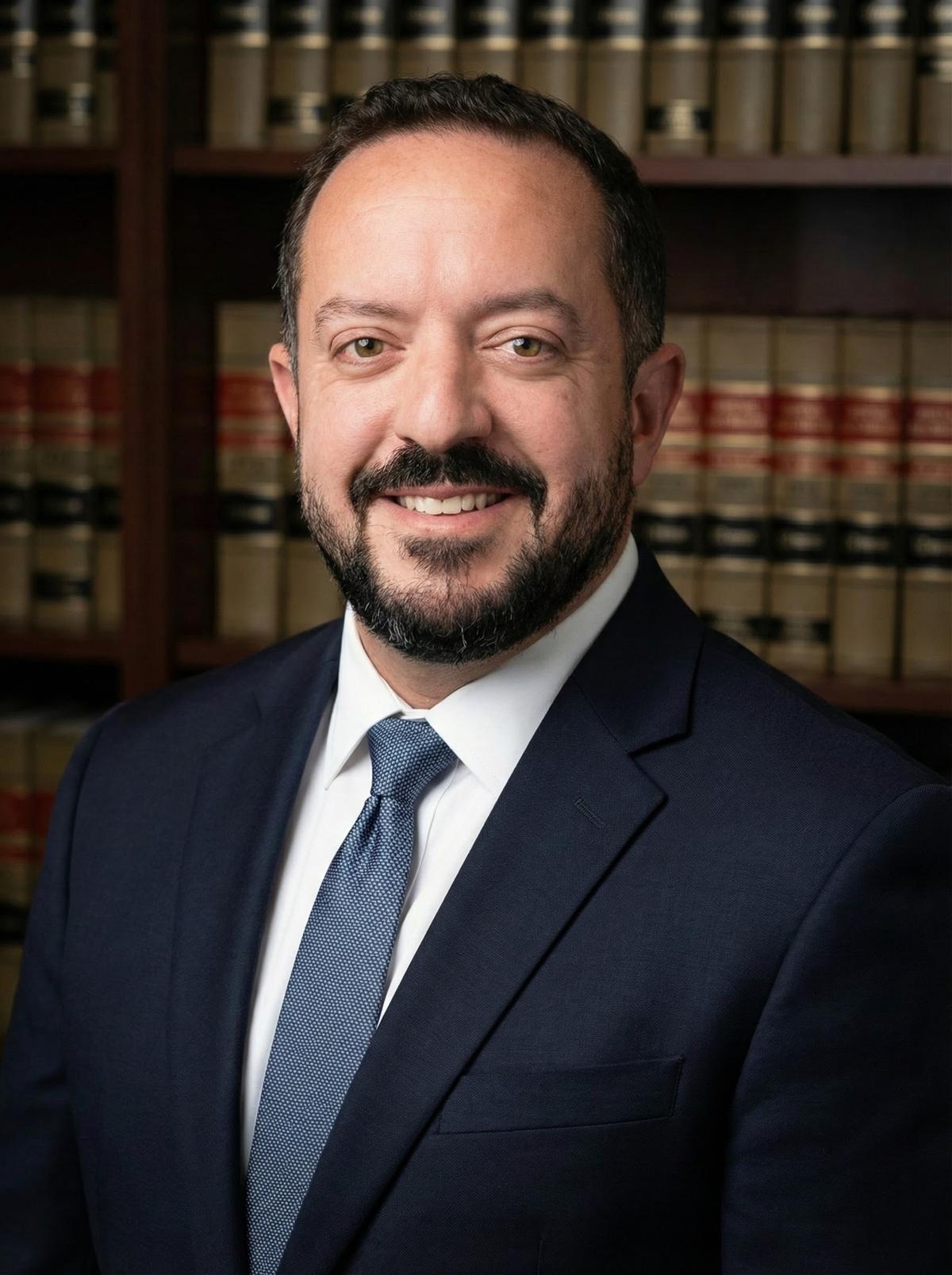
D. Colby Addison provides organizational counsel to Tribal governments and entities on governance, employment, transactions, development, and major disputes.
A disciplined path from question to action
The opening discussion establishes the client, decision-maker, desired outcome, essential papers, affected relationships, and next date. Urgent work is separated from broader questions that can be addressed in an orderly second phase.
Authorized contacts describe the pending choice, institutional priorities, existing commitments, practical constraints, and the event that makes legal work necessary now.
Addison reads the complete governing material, reconstructs approval history, identifies uncertainty, and compares available courses against operational and relationship consequences.
The completed work assigns drafting, approval, communication, negotiation, investigation, or litigation tasks and explains the record leadership should preserve.
Straight answers
These answers are a starting point. The right next step depends on what happened, who was involved, and when.
Assignments may involve governing authority, workforce issues, investigations, agreements, procurement, development, negotiations, and significant disputes. Written scope follows the client's stated objective and authorized direction.
Usually. Early involvement leaves room to address authority, scope, money, performance, data, ownership, insurance, default, remedies, termination, approvals, and practical implementation before positions become fixed.
Consider outside counsel when authority is disputed, a valuable asset or relationship is at stake, independent investigation is needed, or negotiation and litigation strategy require separation from daily operations.
No. Exact coordinates, land records, entity names, governing documents, parties, and current law must be examined. A City or County name does not answer sovereign or land status.
The engagement names the organizational client and authorized contacts. Leadership should disclose related entities, individual interests, counterparties, and communication limits so counsel can protect those boundaries.
Keep exploring
Kingfisher resources
These links provide background on the institutions and records discussed above. They do not decide a particular matter or replace advice based on the complete facts.
Start with the decision leadership must make
Name the client, decision-maker, desired outcome, governing text, complete agreement or notice, and next event. Addison can organize the assignment around that action. The initial discussion should clarify the authority question, missing material, people responsible, and work needed before leadership acts.