Force, restraint, or a weapon followed by injury
Preserve photographs over time, treatment instructions, referrals, restrictions, witness contacts, torn or damaged property, and original media from before and after the physical contact.
Counsel after force, detention, search, or retaliation
A public encounter can leave injury, fear, lost property, missed work, or an unresolved court case. Addison begins with what you saw and felt, then uses reports, recordings, medical proof, and witness information to identify the people involved and test the sequence.
Addison Law Firm's office is in Oklahoma City. The firm serves McAlester-area clients by phone, video, or arrangement.
For the person dealing with what came afterward
You may remember commands, physical contact, a search, transport, confinement, or requests for help without knowing everyone's name or employer. That is normal. Addison can use uniforms, vehicle markings, paperwork, video, court records, and witness accounts to investigate identities and authority.
Serious encounters worth examining closely
A painful encounter does not establish a claim by itself. What matters first is the sequence: what each person did, what reason was stated, how you responded, the injury or loss that followed, and which independent records may confirm or contradict the accounts.
Preserve photographs over time, treatment instructions, referrals, restrictions, witness contacts, torn or damaged property, and original media from before and after the physical contact.
Keep any warrant, consent request, inventory, receipt, return paper, photographs, and messages. Write what was present beforehand and where each item was last seen.
Note booking, housing, transport, medication, isolation, requests for protection, symptoms, responses, transfers, and release. Facility areas and staff descriptions can help locate records.
Save the exact words, recipient, communication method, witnesses, and timing of any later arrest, restriction, threat, discipline, property loss, or denial of assistance.
Building a dependable account from scattered evidence
Reports, camera angles, medical charts, and witnesses often capture different pieces. Addison places them beside your chronology. Conflicts and missing intervals then become investigation tasks instead of assumptions about which account must be accepted.
The timeline separates commands, responses, search, restraint, force, transport, requests for care, release, and later contact. It distinguishes direct memory from information appearing only in another source.
Dispatch, body-worn cameras, vehicle systems, booking or facility video, nearby businesses, homes, and phones may have different owners and retention practices.
Treatment, symptoms, counseling, work absence, expenses, property damage, family observations, and limits on ordinary activity show how the encounter affected life beyond the scene.
Bring citations, charges, bond terms, grievances, complaints, appeal papers, counsel information, and scheduled appearances before making a new statement or signing a release.
The first days after the encounter
You do not need every participant's name before protecting your account. Begin with health, unedited files, the document numbers already available, and any proceeding that could affect the next decision.
Report symptoms, onset, and the encounter honestly. Follow discharge directions and restrictions. Keep referral, prescription, imaging, billing, and appointment information, including reasons care was delayed or interrupted.
Save phone files, cloud copies, messages, reports, citations, inventories, release papers, complaint submissions, and witness details. Make working copies instead of editing, cropping, or marking the originals.
Write down hearings, reporting conditions, statement requests, grievance steps, appointments, and response dates. Bring the complete papers and existing counsel's information before making a new formal statement.
McAlester records do not live in one file
McAlester Police, the City Clerk, Municipal Court, Pittsburg County offices, detention providers, and private businesses maintain separate material. Save report numbers, badge or vehicle details, property receipts, booking papers, and the full caption on any court document.
A City court paper and a Pittsburg County state-court filing come from different dockets. Neither clerk automatically holds dispatch audio, camera footage, medical charts, confinement records, or video owned by a nearby business. Keep the creator attached to every item.
Record the address or map pin, room or facility area, entrance, road direction, vehicle position, nearby landmark, and the point where each disputed event occurred.
Keep names, badge numbers, patches, vehicle units, agency headings, employer names, assignments, and witness descriptions. Mark any uncertain identity as uncertain.
Save photographs by date, emergency and follow-up records, diagnostic images, medication, restrictions, referrals, bills, and notes showing when symptoms appeared or worsened.
Retain the first phone file, cloud copy, and available metadata. Do not trim, caption, filter, or publish the only version of important audio, video, or photographs.
Why Addison
Addison treats the client's account with respect while testing it against objective material. Accepted clients receive plain explanations of factual disputes, available evidence, connected proceedings, and legal barriers. The firm prepares carefully without promising that one report or recording will answer everything.
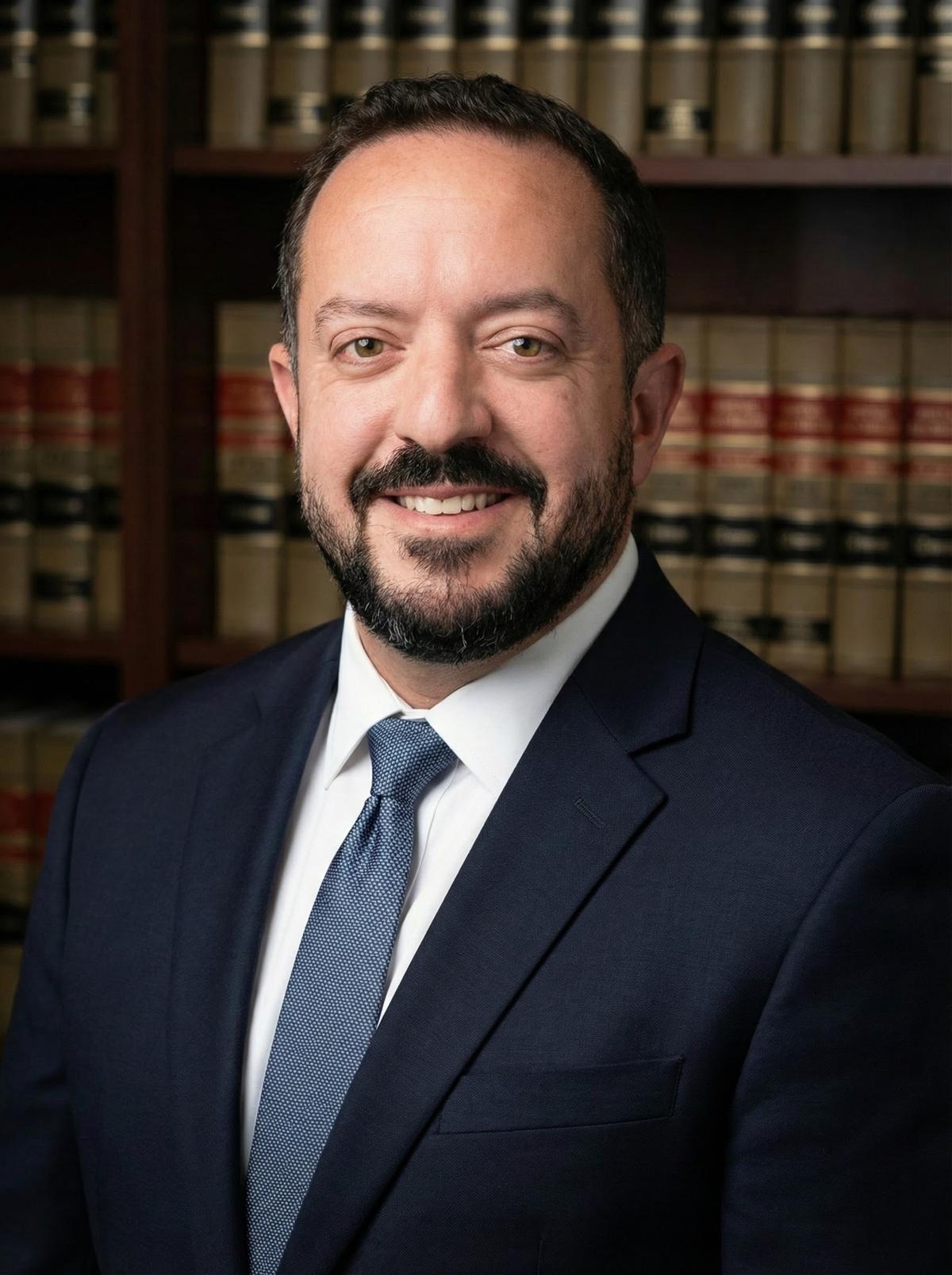
D. Colby Addison represents Oklahomans in serious civil-rights matters involving force, detention, search, retaliation, and denied care.
How the civil-rights review develops
The work begins with the client's memory and present harm. Documents, media, witnesses, treatment, and related proceedings are then placed around that account to reveal what is supported and what remains unknown.
Start before the first disputed moment and continue through words, search, restraint, force, transport, care, release, and later contact. Say when a detail is uncertain.
Addison examines recordings, reports, witnesses, medical material, property records, and court papers for agreement, conflict, missing time, and identifying details.
The firm explains strengths, missing evidence, competing accounts, connected proceedings, and legal obstacles. Any engagement states scope, fees, and responsibilities in writing.
Straight answers
These answers are a starting point. The right next step depends on what happened, who was involved, and when.
Keep original recordings and photographs, report or event numbers, court and confinement papers, treatment instructions, property receipts, witness contacts, messages, expenses, and a chronology in your own words.
No. A report may name participants and record one account. Video, dispatch, witnesses, medical evidence, court papers, property documentation, and your own memory may confirm details, expose gaps, or show genuine disagreements.
McAlester, Pittsburg County, state, federal, contractor, health-care, and private personnel may appear in the same sequence. Uniforms, vehicles, assignments, payroll identity, and document headings can point to different responsibilities.
Yes. Provide the complete caption, case number, citation or charges, current conditions, filings, scheduled appearance, and counsel information. Advice should account for that proceeding before new statements are made.
Do not assume so. Dispatch, body-worn camera, vehicle, detention, private business, phone, and court systems may be managed separately. Each desired item should be described with enough detail to identify it.
Keep exploring
McAlester resources
These links give background on the offices, records, roads, and legal materials discussed above. They cannot answer a specific legal question without the complete facts.
Your chronology is the place to begin
Bring your account, the exact location, identifying details, original media, report and case numbers, treatment papers, witness information, and the next scheduled event. Addison can identify the investigation that remains.