Road and intersection collisions
Save the precise map pin, direction, lane, signal or sign, vehicle positions, debris, damage, witness contacts, report number, tow destination, and original photographs.
Counsel for serious injury and a disrupted household
Pain, medical appointments, missed work, transportation problems, and insurer calls can arrive together after an accident. Addison investigates how the event occurred while documenting treatment, income loss, expenses, and the ways ordinary life has changed.
Addison Law Firm's office is in Oklahoma City. The firm serves McAlester-area clients by phone, video, or arrangement.
For an injured person and the people helping at home
The important record includes symptoms, care, restrictions, sleep, movement, work, parenting, transportation, household tasks, and plans that had to change. Addison listens for those practical effects and connects them to dependable medical and financial proof.
Injuries that may demand a fuller investigation
A collision report or incident form rarely answers every question. The investigation may concern a driver, property condition, equipment, workplace, contractor, product, business, or public body. Each possibility must be tied to the event with evidence.
Save the precise map pin, direction, lane, signal or sign, vehicle positions, debris, damage, witness contacts, report number, tow destination, and original photographs.
Photograph the wider setting and the specific condition, including lighting, warnings, stairs, surface, spill, merchandise, construction, weather exposure, and nearby cameras.
Keep incident and safety papers, employer and contractor names, equipment identifiers, access records available to you, witness information, benefit notices, and medical restrictions.
Report symptoms accurately, follow referrals, retain diagnostic images and restrictions, and keep a dated account of sleep, mobility, work, driving, care duties, and missed activities.
Developing proof without making recovery another job
Addison can pursue scene, witness, property, company, maintenance, and insurance material while the client focuses on care. The legal record grows alongside the medical and household record rather than replacing it.
Photographs, video, measurements, reports, property and roadway records, maintenance material, witnesses, damaged items, and repair or tow records can test how the injury occurred.
Legal names, deeds, leases, contracts, work orders, equipment records, schedules, and business relationships may show who owned, operated, maintained, or changed the scene.
Emergency records, follow-up visits, imaging, referrals, prescriptions, therapy, restrictions, provider opinions, and explanations for gaps help show the course of recovery.
Pay records, leave, business records, bills, receipts, mileage, replacement services, photographs, calendars, and family observations can show the loss beyond the initial visit.
Early choices should support recovery
The first record does not need to be polished. It should show where the injury happened, what changed in the body, what care was recommended, and which photographs or papers were created closest in time.
Describe symptoms and onset accurately, follow restrictions, and retain referrals, prescriptions, imaging, and appointment details. Record transportation, cost, scheduling, or caregiving barriers that interrupt the plan.
Keep the map pin, wide and close photographs, video, witness contacts, incident or collision number, clothing, equipment, vehicle, receipts, and repair or tow information. Do not alter the only original file.
Record claim numbers, caller names, dates, statement requests, authorizations, letters, offers, and response dates. Keep envelopes, attachments, voice mail, email, and text rather than relying on memory.
McAlester scene records depend on the exact location
Official maps show United States Highways 69 and 270, State Highway 31, the Indian Nation Turnpike, local streets, County roads, rail corridors, and facility approaches. The map itself does not establish who maintained a particular segment or condition.
McAlester Police, County offices, transportation agencies, property operators, employers, contractors, providers, insurers, tow companies, and nearby businesses may each hold a different part of the record. Preserve the map pin and source heading for every item.
Keep wide approaches, direction of travel, entrances, signs, lighting, surface, equipment, damage, debris, weather, and nearby cameras as well as close images of the hazard.
Save names from reports, uniforms, vehicles, property signs, work orders, badges, insurance exchanges, business papers, and communications without deciding their responsibility.
Follow written instructions when possible, explain missed visits, report changing symptoms, retain referrals and restrictions, and tell providers about relevant earlier conditions.
Record missed work, reduced hours, transportation, medication, home assistance, childcare, mobility limits, sleep, hobbies, appointments, and expenses by date.
Why Addison
Addison develops injury matters around reliable scene and medical proof while staying attentive to the client's actual recovery. Accepted clients receive candid advice about disputed responsibility, treatment documentation, insurance, expenses, and major decisions. Conclusions wait for evidence.
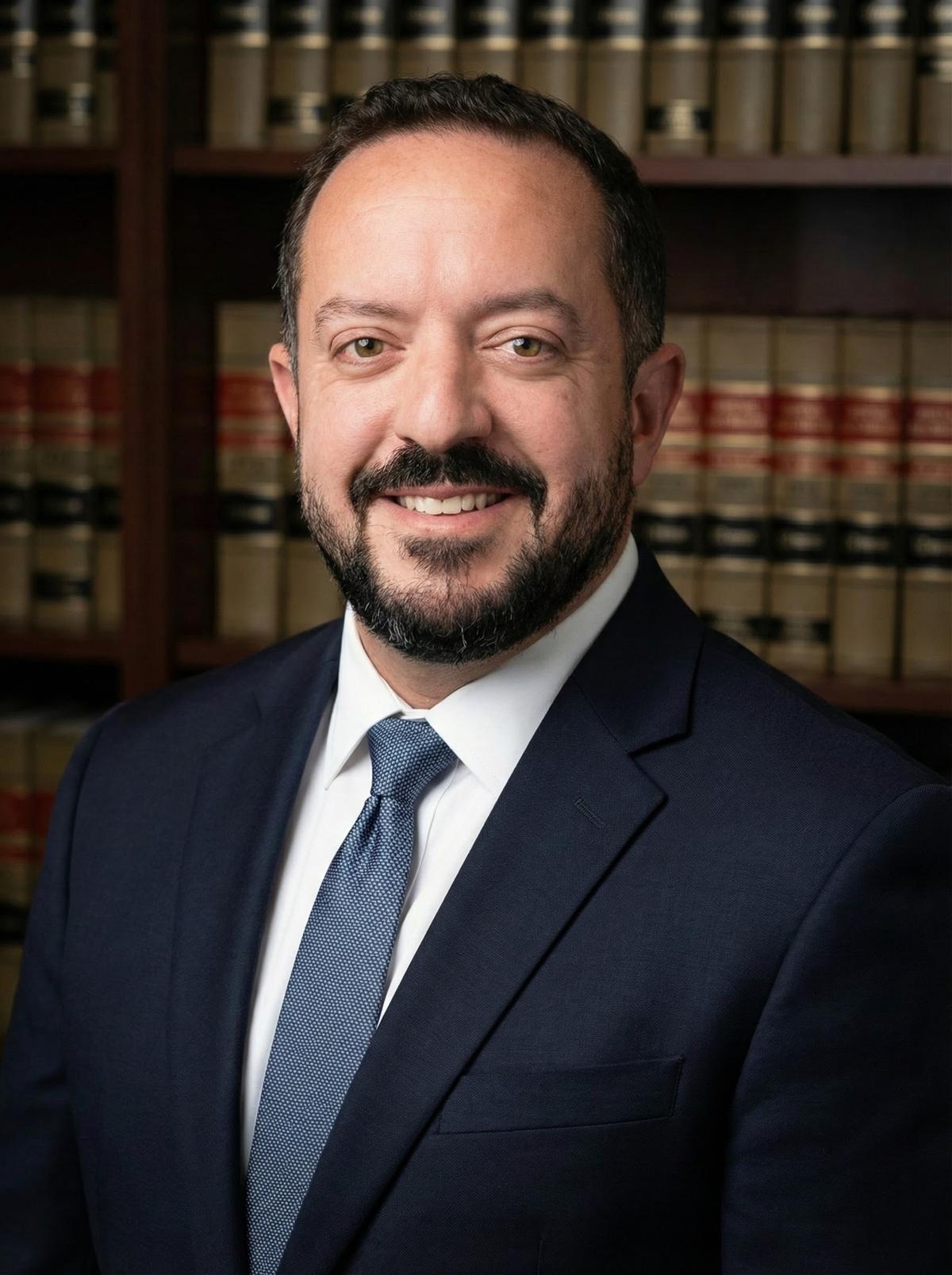
D. Colby Addison represents Oklahoma people and families after serious injuries and life-changing losses.
How an injury matter takes shape
The first review establishes the scene, immediate symptoms, care, work impact, insurer contact, and present household needs. Investigation and loss documentation then develop together as new records arrive.
Share the exact place, activity, people, condition, sequence, witnesses, report, original media, treatment, and communication received afterward.
Addison investigates control, conduct, condition, notice, causation, insurance, and competing accounts while organizing medical care and restrictions by date.
Treatment, prognosis, work, income, expense, household demands, and uncertainty are considered before major claim decisions. Engagement terms are provided in writing.
Straight answers
These answers are a starting point. The right next step depends on what happened, who was involved, and when.
Keep original scene media, the exact location, report numbers, witness contacts, damaged items, treatment instructions, insurance messages, compensation records, receipts, and a dated account of recovery.
No. It may identify people and observations, but photographs, video, witnesses, ownership and control records, maintenance material, company documents, and other evidence may change the analysis.
Find out who is requesting it, which policy or claim is involved, and why it is wanted. Provide required information accurately, and seek advice before answering questions you do not understand.
Keep schedules, compensation and leave records, restrictions, mileage, receipts, replacement-service costs, and a factual calendar describing tasks you could not do or had to perform differently.
Give providers and Addison an accurate history. Earlier records can help distinguish the prior condition from new trauma, aggravation, different symptoms, and additional treatment required after the event.
Keep exploring
McAlester resources
These links give background on the offices, records, roads, and legal materials discussed above. They cannot answer a specific legal question without the complete facts.
Begin with the injury and the day-to-day change
Bring the scene, treatment history, work interruption, household effects, expenses, insurance communications, original photographs, and the next medical decision. Addison can shape the investigation around that record.