
Key Takeaways
- See a Doctor Right Away: If you wait too long to get checked out, the insurance company may argue you were not really hurt or that something else caused the injury.
- Be Careful With Recorded Statements: The other driver's insurance company is not on your side. Your own policy may require cooperation, but you should get advice before giving detailed statements.
- Keep Everything: Save your medical bills, photos of damage, and anything else related to the accident. You'll need it later.
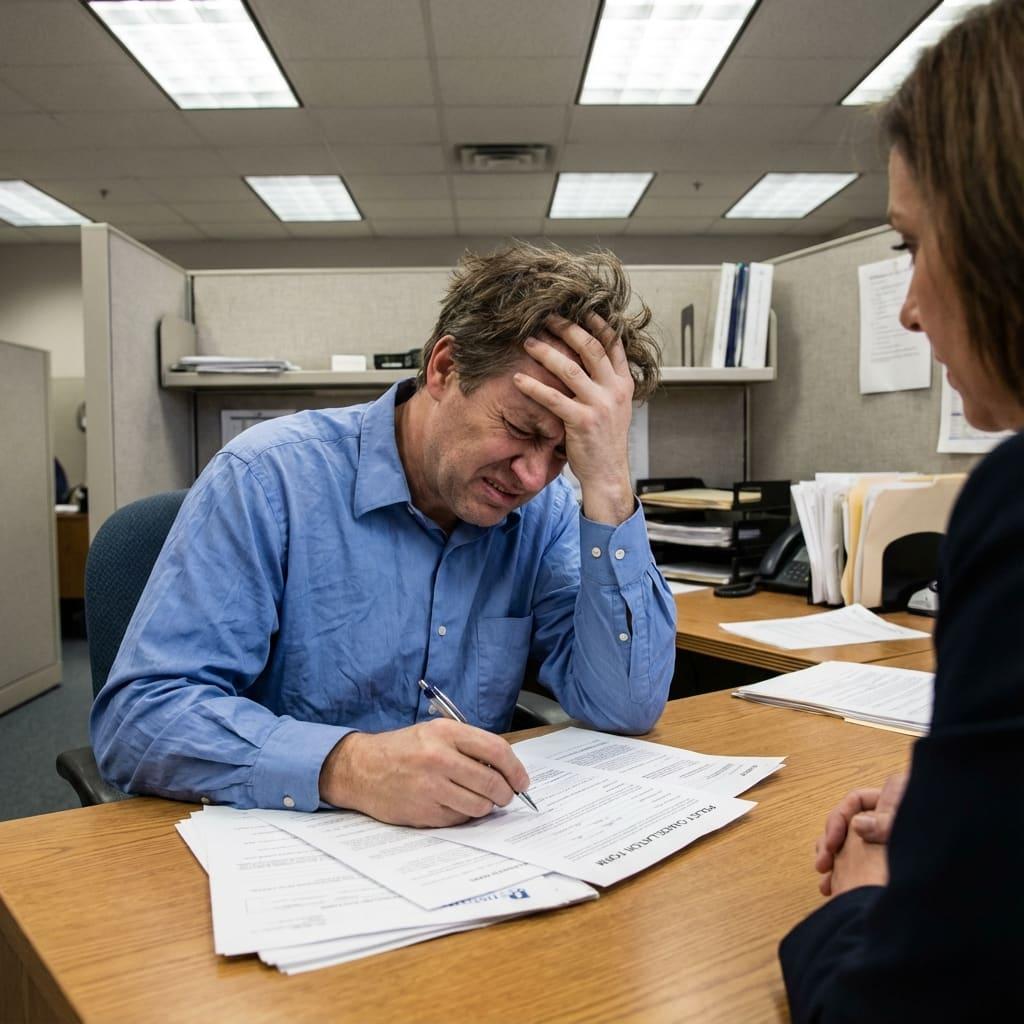
You've just been in a car accident. You're shaken up. You're probably hurt. People are asking you questions. In all the confusion, it's easy to make mistakes that will hurt your case later. Here are the most common ones—and how to avoid them.
Mistake #1: Not Seeing a Doctor Right Away
This is the biggest mistake people make. You feel okay at the scene, so you don't go to the hospital. A few days later, you're in real pain.
Here's the problem: the insurance company may use that delay against you. They'll argue that if you were really hurt, you would have gone to the doctor right away. They'll also argue that something else caused your injury — not the accident.
What to do instead: Get checked out within 24-48 hours of the accident, even if you feel fine. Some injuries don't show up right away. Having a medical record that starts immediately after the accident protects you.
Mistake #2: Talking Too Much to the Insurance Company
The other driver's insurance company will call you. They'll sound friendly. They'll say they just want to "get your side of the story." They may ask you to give a recorded statement.
Don't do it.
That insurance company is not working for you. Their job is to pay you as little as possible. Anything you say can be used to lower your claim or deny it completely.
What to do instead: Give them your name, phone number, and the date of the accident. That's it. Tell them your attorney will be in touch. If you don't have an attorney yet, tell them you're not ready to discuss the case.
Mistake #3: Posting on Social Media
After an accident, you might post about it on Facebook or Instagram. Maybe you write "I'm fine!" to let friends know you're okay. Maybe you post photos from a weekend outing a few days later.
Insurance companies look at your social media. That "I'm fine!" post can become evidence that you weren't really hurt. Photos of you smiling at a party can be used to argue your injuries aren't serious.
What to do instead: Don't post anything about the accident. Don't post about your injuries. Don't post photos showing you doing physical activities. Make your accounts private, but do not delete existing posts or messages without legal advice.
Mistake #4: Not Collecting Evidence at the Scene
In the chaos after an accident, the last thing on your mind is gathering evidence. But the scene changes fast. Cars get moved. Witnesses leave. Damage gets repaired.
If you don't document what happened right then, you may never be able to prove it.
What to do instead: If you're able to, take photos of everything—damage to all vehicles, the road, traffic signs, skid marks, your injuries. Get the names and phone numbers of any witnesses. Get the other driver's insurance information. Call the police so there's an official report.
Mistake #5: Accepting a Quick Settlement
A few days after the accident, the insurance company may call with an offer. They might say something like, "We want to get this resolved quickly so you can move on."
That offer may be too low.
Why? Because you don't know yet how bad your injuries really are. You don't know if you'll need surgery. You don't know if you'll be in pain for months or years. Once you accept a settlement, you can never go back and ask for more—even if your injuries turn out to be much worse than you thought.
What to do instead: Don't accept any offer until you know the full extent of your injuries. Talk to a lawyer before signing anything. A quick settlement benefits the insurance company, not you.
If the offer eventually becomes substantial, pause before deciding how the money should be paid. Our guide to structured settlements versus lump sums explains how timing, taxes, discipline, and long-term care needs can affect the decision.
Mistake #6: Not Preserving Evidence
Evidence disappears faster than most people realize. The at-fault driver's vehicle gets repaired. Surveillance camera footage gets overwritten. Witness memories fade. If you don't take active steps to preserve evidence, you may lose the proof you need.
Oklahoma courts take evidence preservation seriously. Under the doctrine of spoliation, a party who destroys or fails to preserve relevant evidence can face serious consequences — including adverse inference instructions that allow the jury to assume the destroyed evidence would have been unfavorable to the spoliator. Understanding evidence preservation in car accident cases is critical from day one.
What to do instead: Send a preservation letter to the other driver's insurance company and any businesses with surveillance cameras near the scene. Save all text messages, emails, and call logs. Don't repair your vehicle until it has been thoroughly documented.
Mistake #7: Not Understanding Oklahoma's Comparative Fault Rules
Oklahoma follows modified comparative negligence under 23 O.S. § 13. This means if you are partially at fault for the accident, your recovery is reduced by your percentage of fault. If you are found to be more than 50% at fault, you recover nothing.
Insurance companies exploit this rule aggressively. They will look for any evidence — your speed, your lane position, whether you were distracted — to shift blame onto you. Anything you say in a recorded statement to an insurance adjuster can be used to argue you share fault for the accident.
What to do instead: Don't admit fault at the scene or in any conversation with an insurance company. Even saying "I'm sorry" can be used against you. Let the evidence speak for itself, and get legal counsel before discussing fault with anyone.
Mistake #8: Ignoring Your Own Insurance Coverage
Many accident victims focus entirely on the at-fault driver's insurance without considering their own policy. This is a mistake — especially when the other driver is uninsured or underinsured.
Oklahoma law requires minimum liability coverage of just $25,000 per person under 47 O.S. § 7-204. If your injuries exceed that amount and the at-fault driver has no assets, your own uninsured/underinsured motorist coverage may be an important source of additional recovery.
What to do instead: Review your own auto insurance policy as soon as possible after an accident. Understand what UM/UIM coverage you carry and whether it applies to your situation. Your insurance company has separate obligations under your policy.
What to Do If You've Already Made These Mistakes
If you've already made one of these mistakes, your case isn't hopeless. It just means you need to act carefully from here on out.
Stop talking to the insurance company without a lawyer. Stop posting on social media. Start documenting everything—your pain levels, your medical visits, how the injury affects your daily life. Write down what hurts, what you can no longer do, and how your daily routine has changed since the accident. This contemporaneous documentation becomes powerful evidence later.
And talk to an attorney. Many personal injury lawyers offer free consultations, and many work on contingency fee agreements. An experienced lawyer can assess the damage already done and develop a strategy to strengthen your case going forward despite any early missteps.
Frequently Asked Questions
What if I already gave a recorded statement to the insurance company?
Don't panic, but stop giving further statements without legal counsel. A lawyer can help manage communications going forward and work to minimize the impact of anything you've already said.
Should I post about my accident on social media?
No. Insurance companies actively search social media for evidence to use against you. Even innocent posts — a photo at a family event, checking in at a restaurant — can be used to argue your injuries aren't as serious as claimed.
How soon after an accident should I see a doctor?
As soon as possible, ideally within 24-48 hours. Even if you feel fine, some injuries don't manifest immediately. A medical record created shortly after the accident establishes a clear link between the crash and your injuries.
Can I still win my case if I made one of these mistakes?
Yes. Making a mistake doesn't automatically destroy your case — it just makes it harder. An experienced attorney can often work around early missteps and build a strong case from the remaining evidence.
How long do I have to file a lawsuit after a car accident in Oklahoma?
Oklahoma's statute of limitations for personal injury is two years from the date of the accident under 12 O.S. § 95(A)(3). If you miss this deadline, your claim is permanently barred — regardless of how strong your case would have been.
Should I hire a lawyer for a minor car accident?
It depends on the severity of your injuries and whether fault is disputed. If you have significant medical bills, ongoing treatment, or the insurance company is lowballing your claim, an attorney can typically recover significantly more than you would on your own — even after fees. Most personal injury attorneys offer free consultations to evaluate your situation.
What if the insurance company says the accident was my fault?
Don't accept their assessment. Insurance adjusters are trained to shift blame onto you because every percentage point of fault they establish reduces what they owe. Under Oklahoma's comparative negligence rules (23 O.S. §§ 13–14), your recovery is reduced by your percentage of fault, and you recover nothing if you're more than 50% at fault. An attorney can independently investigate the facts and challenge the insurer's liability determination.
Hurt in a Car Accident?
Early choices can affect your medical proof, fault evidence, and insurance recovery. If you've been injured, get advice before the claim gets framed against you.
Get a Free Consultation →This article is for general information only and is not legal advice.