Highway or turnpike collision at speed
Preserve route, direction, lane, marker, interchange, traffic control, weather, sight lines, debris, final positions, damage, witness contacts, report number, and tow destination.
Counsel after a commercial truck collision
A severe truck crash can involve multiple companies, vehicles, insurers, and electronic systems while an injured person is still arranging treatment and transportation. Addison traces the commercial trip without losing sight of pain, missed income, and household disruption.
Addison Law Firm's office is in Oklahoma City. The firm serves McAlester-area clients by phone, video, or arrangement.
For an injured person and family facing unfamiliar companies
Keep the scene, vehicle, report, tow, insurance, and medical material already available. Addison can investigate the trip, companies, data, maintenance, and coverage while the household focuses on immediate needs.
Commercial collisions that require more than a routine claim file
A logo on the cab may identify only one part of the operation. The driver, carrier, tractor owner, trailer owner, broker, shipper, loader, receiver, maintenance vendor, and facility can hold different records and have different roles.
Preserve route, direction, lane, marker, interchange, traffic control, weather, sight lines, debris, final positions, damage, witness contacts, report number, and tow destination.
Record coordinates, signs, the access point, property boundary, gate ticket, work-zone material, and cameras. Keep every business name visible on vehicles or shipping papers.
Photograph unit and plate numbers, the United States Department of Transportation number, placards, seals, and cargo condition. Keep equipment, inspection, and repair details.
Keep complete medical records, images, referrals, restrictions, rehabilitation, wage proof, benefit statements, and expenses. Add a dated account of daily limitations.
Investigating the commercial trip and the human loss
Addison begins with the exact scene, visible identifiers, driver exchange, original media, medical care, and insurer contact. Those facts guide requests for company and electronic material instead of assuming every business in a shipping chain shares responsibility.
Registration, carrier records, trip papers, dispatch, equipment markings, cargo documents, gate records, and insurance can show how each person or company entered the trip.
Logs, engine events, telematics, cameras, dispatch, inspections, maintenance, cargo files, access systems, tow records, and the vehicles may require prompt attention.
Scene photographs, measurements, witnesses, reports, damage, electronic events, traffic controls, weather, roadway records, and driver accounts can test competing explanations.
Treatment, symptoms, restrictions, missed work, lost income, transportation, expenses, household help, sleep, mobility, and family observations document the consequences over time.
What the family can preserve without chasing companies
An injured person should not have to locate every carrier database. Keep what is already within reach. The route, commercial markings, report, tow locations, original media, and treatment history can guide broader work.
Describe symptoms and onset accurately, follow restrictions, retain imaging, referrals, prescriptions, and appointments, and note access problems. Track missed work, transportation, assistance, and changing household duties.
Keep plates, unit numbers, business names, United States Department of Transportation number, placards, seals, and cargo details. Save the driver exchange, shipping papers, facility tickets, insurance information, and unedited media.
Retain tow slips, inventories, destination information, release messages, inspection papers, and repair estimates. Also save caller names, claim numbers, statement requests, authorizations, offers, and response dates.
McAlester freight moves through several kinds of corridors
United States Highways 69 and 270, State Highway 31, the Indian Nation Turnpike, City and County roads, rail approaches, industrial property, and facility access points create different scene and record questions. Save a precise map pin rather than relying on “near McAlester.”
Investigating agencies, transportation bodies, carriers, equipment owners, shipping companies, facilities, tow yards, repair vendors, insurers, and private cameras do not share one file. Commercial identifiers and the tow destination help locate the right material.
Keep route, direction, lane, intersection or marker, gate or driveway, property name, signs, work-zone details, map pin, and original views facing both directions.
Save plates, unit numbers, company names, United States Department of Transportation number, placards, seals, cargo details, driver exchange, insurance papers, and report number.
Record where the tractor, trailer, passenger vehicle, cargo, damaged property, and personal items were taken. Keep tow, inventory, repair, inspection, and release papers.
Names on the cab, trailer, shipping paper, gate ticket, tow slip, repair estimate, and insurance exchange help identify the business relationships.
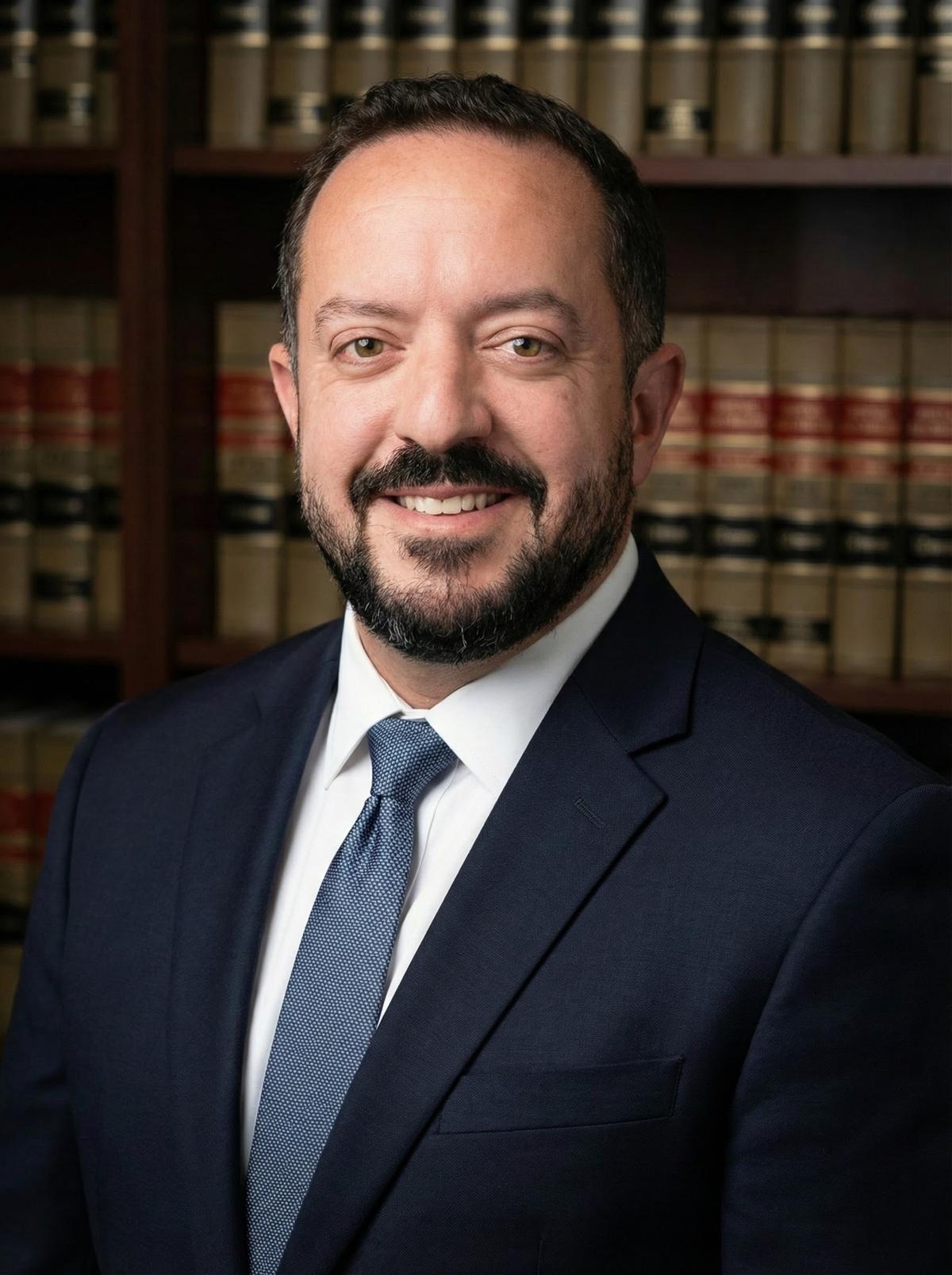
Why Addison
Addison investigates carriers, equipment, companies, and data while keeping the client's health and household at the center. Accepted clients receive direct explanations about preservation, insurance, treatment proof, income loss, and major decisions. The firm does not promise results before the record develops.
D. Colby Addison represents Oklahoma people and families in serious commercial-vehicle injury matters.
How the truck-collision case develops
The exact scene, vehicle identifiers, report, original media, treatment, insurance contact, and household needs supply the first layer. Company relationships and changing electronic evidence are investigated from there.
Share location, direction, report number, commercial markings, tow information, medical care, work impact, transportation trouble, and insurer communication.
Addison examines driver and vehicle identity, carrier relationships, dispatch, cargo, access, data, maintenance, witnesses, roadway evidence, and insurance.
The firm considers treatment, restrictions, income, expenses, family demands, disputed facts, coverage, and available proof before advising on major decisions.
Straight answers
These answers are a starting point. The right next step depends on what happened, who was involved, and when.
The driver, tractor, trailer, carrier, cargo businesses, broker, service vendors, facility, and insurers may have different roles and different records. Addison verifies those relationships from the trip evidence.
Keep plates, unit numbers, names, United States Department of Transportation number, placards, seals, and cargo details. Save the driver exchange, insurance papers, report number, tow destination, and original media.
No. A listing may help identify a business. It still must connect to the correct driver, equipment, trip, cargo, scene evidence, relationships, and conduct.
Electronic logs, engine events, telematics, cameras, dispatch, route and delivery records, inspections, maintenance, cargo, broker, access, tow, and repair systems may follow different retention practices.
Complete charts, diagnostic imaging, restrictions, rehabilitation, provider opinions, compensation records, expenses, household changes, photographs, and a factual recovery history can show lasting consequences.
Keep exploring
McAlester resources
These links give background on the offices, records, roads, and legal materials discussed above. They cannot answer a specific legal question without the complete facts.
Bring the scene and the commercial clues
Share the exact route, report, plates, unit numbers, business names, shipping or gate papers, tow location, original media, treatment, income loss, and insurer contact. Addison can trace the trip record from there.