Vehicle collisions
Cars, motorcycles, pickups, and other vehicles can leave occupants, riders, or pedestrians with serious harm. Scene proof, vehicle damage, insurance, symptoms, and the progression of care all help explain what the impact caused.
Personal-injury help for Okmulgee
When someone else's unsafe conduct leaves you hurt, ordinary life can become a string of medical, financial, and family decisions. Addison helps Okmulgee-area clients protect the story of what occurred, deal with insurers, and seek a recovery that reflects the full effect of the injury.
Addison Law Firm's office is in Oklahoma City. The firm serves Okmulgee-area clients by phone, video, or arrangement.
For people whose lives were interrupted
Describe the day of the incident and the first thing you could no longer do afterward. From there, Addison can learn about treatment, work, transportation, caregiving, sleep, and the other changes that a short accident report will never capture.
Injuries Addison evaluates
Responsibility and insurance depend on the event. The value of the matter also depends on the medical course and how the injury reaches into work, home, and future plans. Both sides of that story deserve careful development.
Cars, motorcycles, pickups, and other vehicles can leave occupants, riders, or pedestrians with serious harm. Scene proof, vehicle damage, insurance, symptoms, and the progression of care all help explain what the impact caused.
A fall or other incident may follow a broken surface, hidden hazard, unsafe access, poor lighting, missing warning, or neglected repair. Photographs taken near the time of the event can be especially valuable because the condition may be changed quickly.
Heavy equipment, moving vehicles, contractors, property hazards, and production activity may create questions beyond an ordinary workplace benefit claim. The job assignment, companies present, equipment, and exact location help define what needs review.
A brain injury, spinal injury, severe burn, amputation, organ damage, or death changes family roles as well as medical needs. Long-term care, earning ability, independence, grief, and the support once provided at home must be understood over time.
How Addison approaches the case
A sound injury case answers two different questions: why the harm occurred and what the person lost because of it. Addison gathers proof for each without letting insurance forms flatten the client's experience.
The investigation may use photographs, measurements, witness memory, recordings, reports, damaged objects, vehicle information, inspection material, or repair history. The useful proof depends on the event rather than a standard checklist.
Emergency visits are only the beginning. Diagnoses, imaging, specialist referrals, therapy, medication, restrictions, setbacks, future recommendations, and explanations for interrupted care show how the condition developed.
Missed shifts, reduced business work, replacement help, travel, equipment, damaged property, lost sleep, limited movement, and abandoned activities do not appear in one record. Addison identifies practical proof for each claimed loss.
Coverage, statements, medical authorizations, property payments, liens, and settlement documents can affect one another. Addison manages accepted matters so an immediate insurance request does not quietly compromise a larger recovery.
What to do while the event is still recent
The early goal is modest: obtain needed care, keep unaltered material, and avoid signing away a claim before its effect is known. Family or a trusted friend can help collect papers when you cannot.
Seek appropriate evaluation for meaningful symptoms and return if they worsen or change. Tell providers accurately how the incident occurred, follow reasonable instructions, and retain discharge papers, referrals, prescriptions, and work limits.
Store original photographs, recordings, messages, reports, receipts, damaged items, insurance papers, and witness contacts. Make copies for sharing. Do not crop, annotate, repair, discard, or post material that may later need context.
Note what you tried to do, what stopped you, who helped, and how long the problem lasted. Work, driving, sleep, lifting, stairs, cooking, bathing, and recreation can make limitations understandable in ordinary terms.
An injury close to home
Appointments may require a ride, restrictions may keep a parent from lifting a child, and a missed week of work may affect the next month's bills. Those immediate problems are not side issues. They are part of the injury's real effect and should be recorded without exaggeration.
For the incident itself, start with a map pin or street address and whatever documents came home with you. A report number, photograph, witness name, receipt, or insurance exchange can give the investigation a dependable first anchor.
A calendar can show appointments, missed work, tasks another person performed, and activities attempted but stopped. Brief factual notes are easier to trust and use than a dramatic narrative written months later.
Save the entrance, aisle, lane, direction, nearby sign, or dropped pin that identifies the scene. That detail can lead to the correct photograph, camera, property record, responder, or witness without asking you to assign legal responsibility.
Before signing a release or accepting final payment, understand which claim it resolves and whether the diagnosis, future care, lost income, and other coverage questions are developed enough for an informed decision.
Why Addison
Addison develops accepted injury matters through reliable evidence and straightforward communication. Clients are expected to be candid about prior health, difficult facts, and recovery; in return, they receive direct advice about the strengths, limits, and work ahead.
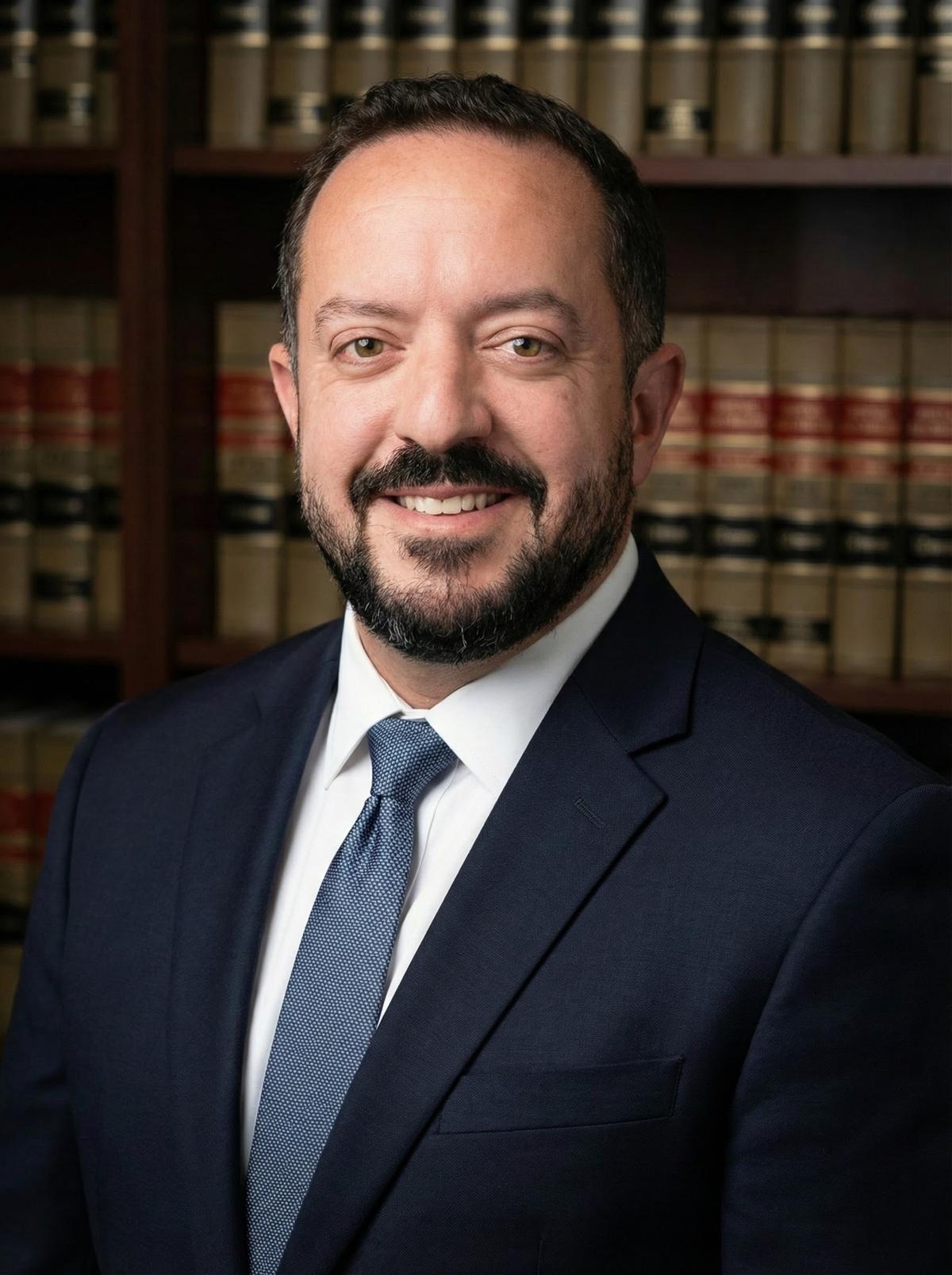
D. Colby Addison represents injured Oklahomans in significant personal-injury and wrongful-death matters.
How the evaluation develops
No one needs every medical record or insurance answer on the first call. Addison starts with dependable facts, looks for information at risk, and adds detail as the medical picture and practical losses become clearer.
Provide the date and location, the people or businesses involved, strongest original item, current diagnosis or symptoms, treatment plan, insurer contact, work effect, and any response or court date.
The firm examines how the event happened, which evidence can verify it, what insurance or other recovery may exist, and whether medical and wage proof connect the incident to the claimed losses.
As health and evidence develop, Addison explains investigation, negotiation, filing, and litigation choices. Representation begins only through a written agreement defining the work, responsibilities, costs, and fee terms.
Straight answers
These answers are a starting point. The right next step depends on what happened, who was involved, and when.
Start with the exact location, event date, report or incident number, one useful photograph or document, current treatment information, insurance contact, and the next known date. Addison can identify which additional records would actually help.
The answer can depend on which company is asking and the policy involved. Obtain the request in writing, identify the claim and coverage, and get advice before a detailed account if responsibility or injury is disputed.
Not by itself. Tell counsel and medical providers about earlier symptoms, treatment, and limits. The evaluation must separate what already existed from a new condition or aggravation, and incomplete disclosure can cause more harm than the prior history.
Save pay statements, schedules, employer notices, restrictions, leave information, tax material, invoices, calendars, and proof of canceled work. The best evidence differs for hourly workers, salaried employees, owners, and independent workers.
Reach out promptly when the injury is substantial, the event is disputed, a dangerous condition may be changed, video or vehicle data may disappear, more than one policy may apply, or someone asks for a statement, authorization, or release.
Keep exploring
Okmulgee resources
These links provide background on the services and records discussed above. They do not decide a particular matter or replace advice based on the complete facts.
Begin with today's hardest consequence
Share that change, the event location, current care, one original piece of evidence, and any insurer request or approaching date. Addison can help organize the next legal decision.